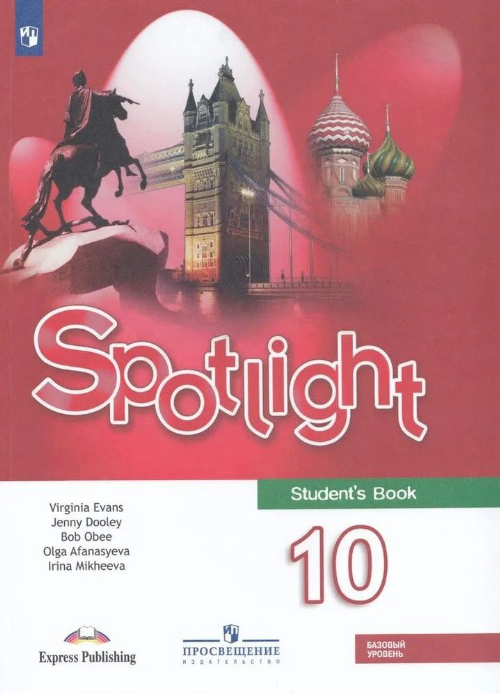
Стр.78-79 Модуль 3 ГДЗ Starlight Баранова 10 класс
Unit 3.6 Vocabulary & Grammar
a) Complete the gaps with: goods, express, local or Intercity.
- The ___ train from London to Edinburgh also stops at Leeds and Newcastle.
- The ___ train is faster because it doesn’t stop anywhere on the way.
- The ___ train only transports food and merchandise.
- The ___ train is slow, but it calls at all our neighbouring towns.
b) Complete the gaps with: season, single or return. Check in your dictionaries.
- He bought a ___ ticket to London because he was only going one way.
- If you’re going to Leeds and coming back on the same day, it’s better to buy a ___ ticket.
- She travels by train every day, so she bought a ___ ticket to save money.
Complete the gaps with: restore, repair, renovate or preserve. Use a dictionary.
- They wanted to ___ the old house, so it would look just like it used to years ago.
- It took months to ___ the painting to its former glory.
- When the TV broke, we couldn’t ___ it, so we bought a new one.
- Pickles are vegetables that you ___ in vinegar.
Listening
Listen to three different speakers talking about what they prefer to do when they are on holiday. What does each person prefer?
- Peter
- Ann
- John
Peter
Another city break? I wouldn’t bother. The whole idea of taking a holiday is getting away from it all. For me, nothing compares to a camping holiday. I wouldn’t miss the opportunity of being close to nature for the world. Staying in a tent, sleeping under the stars, lying on exotic beaches and swimming in crystal clear waters are the perfect ingredients for an ideal holiday.
Ann
Culture exploration is a must when I travel abroad. I’m particularly interested in ancient architecture, so I prefer staying in historic cities. Last year, I went to Prague. Just walking along the busy streets in the Old Town and visiting gothic temples and art galleries was amazing. If you’ve never been there, it’s well worth a visit!
John
Some of my friends absolutely love going travelling with a rucksack and staying at hostels, but backpacking is just not my cup of tea. I’m a fan of the urban lifestyle and I just can’t do without my comforts. When on holiday, I always stay in a top-class hotel. The perfect evening out consists of a visit to a superb theatre and then dinner in a stylish restaurant. And before I leave my holiday destination, I make sure I’ve visited all the trendy shops in the area to buy gifts for family and friends!
Speaking
a) Look at the list below. What do you prefer to do when you are on holiday? Tell your partner.
- to stay in historic/modern cities
- to go shopping in traditional/trendy shops
- to see magnificent ancient/contemporary architecture
- to eat in quaint/stylish restaurants
- to walk along peaceful/busy streets
- to visit amazing temples/art galleries
- to appreciate stunning views/an urban lifestyle
- to swim in crystal clear waters/a water park
- to experience colourful markets/go to superb theatres
- to lie on exotic beaches/ride on fairground attractions
b) Can you recommend a place for your partner to go on holiday?
Work in pairs. Make a list of places tourists could visit in your area. Imagine your partner is visiting you for a few days and wants to find out about where to go. Use the language box and phrases from Ex. 4 to recommend places to them.
Asking about places
- What’s it like?
- Have you ever been to …?
- What do you think of …?
- How about …?
Recommending places
Positive
- It’s well worth a visit.
- It’s a must!
- Don’t miss it!
Negative
- Don’t bother!
- I wouldn’t bother.
- I’d give it a miss if I were you.
- It’s a waste of time.
RNE Read the text given below. If necessary, transform the words written in brackets marked by numbers 1–7 to make them match grammatically with the contents of the text. Each gap corresponds with a separate task from group 1–7.
Richard Dunlop first 1) ___ guided tours for Oxford’s tourists twenty years ago. But now he 2) ___ his walking tours for a new high-tech approach. “I began leaving my telephone number at important sites around Oxford,” he explains. “The idea is that if tourists want to know about a place, they can just call me and I will tell 3) ___ all about it.” Richard’s scheme ran into trouble at first when a few complaints 4) (make) about his advertising. “People weren’t sure what I 5) ___ offering and I got some very strange calls,” he explains. However, these days this telephone tourist guide has taken on extra staff 6) ___ cope with demand. “For only £2.50 per minute they’ll tell you anything you want to hear,” he says. “The museums might have their own interactive displays, but I really 7) ___ think you can replace the personal touch.”
Prepositions
Complete with the correct prepositions. Check your answers in Appendix 11. Choose any five of them and make sentences using them.
- I’m afraid I can’t account ___ the mistake; I have no idea what happened.
- My family is very important ___ me because they love me and help me.
- The minister said he was optimistic ___ the future of the economy.
- This information is secret; it is not available ___ the general public.
- This soil is very rich ___ nutrients, so plants grow well here.
- All his money is invested ___ shares, so he never has enough cash to buy things.
- Since her illness, she has found it difficult to cope ___ the demands of her job.
- You look tired; I think you would benefit ___ a good holiday.
- They moved to Edinburgh so that their son would have the benefit ___ a Scottish education.
- I have always been interested ___ Scandinavian mythology.
- Mary just stared ___ him open-mouthed when he told her the news.
- We stared ___ amazement when she showed us the tickets.
- The exam consists ___ a number of questions and a composition.
- We couldn’t find a seat because the train was so packed ___ people.
Key word transformations
Complete the sentences using the words in bold. Use two to five words.
- They were so late that it wasn’t worth going out.
- “You mustn’t be late,” Joss told me.
- I expect you were pleased with the results.
- The use of mobile phones is not permitted in the library.
- Not so many cars use this road nowadays.
- You ought to see to it immediately.
- They didn’t let me go out.
- If they had got there a minute later, they would have missed the train.
1 a)
- The Intercity train from London to Edinburgh also stops at Leeds and Newcastle.
- The express train is faster because it doesn’t stop anywhere on the way.
- The goods train only transports food and merchandise.
- The local train is slow, but it calls at all our neighbouring towns.
1 b)
- He bought a single ticket to London because he was only going one way.
- If you’re going to Leeds and coming back on the same day, it’s better to buy a return ticket.
- She travels by train every day, so she bought a season ticket to save money.
2
- They wanted to renovate the old house, so it would look just like it used to years ago.
- It took months to restore the painting to its former glory.
- When the TV broke, we couldn’t repair it, so we bought a new one.
- Pickles are vegetables that you preserve in vinegar.
Listening
3
- Peter — a camping holiday
- Ann — staying in historic cities and exploring culture
- John — staying in a top-class hotel and enjoying city life
Speaking
4 a) I prefer to stay in modern cities, go shopping in trendy shops, see magnificent contemporary architecture, eat in stylish restaurants, walk along busy streets, visit amazing art galleries, appreciate stunning views, swim in crystal clear waters, experience colourful markets, and lie on exotic beaches.
4 b) If I were you, I’d go to a modern city with great shops, museums and restaurants. You should really visit a place with beautiful architecture and lively streets.
Everyday English
5 Example answer:
A: What’s it like? Have you ever been to the old town?
B: It’s well worth a visit. Don’t miss the local museum and the riverside park.
A: How about the shopping centre?
B: I’d give it a miss if I were you. It’s a waste of time.
RNE
6
- provided
- has abandoned
- them
- were made
- was offering
- to cope
- don’t think
Prepositions
7
- account for
- important to
- optimistic about
- available to
- rich in
- invested in
- cope with
- benefit from
- the benefit of
- interested in
- stared at
- stared in amazement
- consists of
- packed with
Key word transformations
8
- There was no point in going out.
- Joss asked me not to be late.
- You must have been pleased with the results.
- You are not allowed to use mobile phones in the library.
- There is not much traffic on this road nowadays.
- You had better see to it immediately.
- They made me stay in.
- They got there just in time to catch the train.