Упр.1 Юнит 5 Урок 161718 Рабочая тетрадь ГДЗ Happy English Кауфман 10 класс
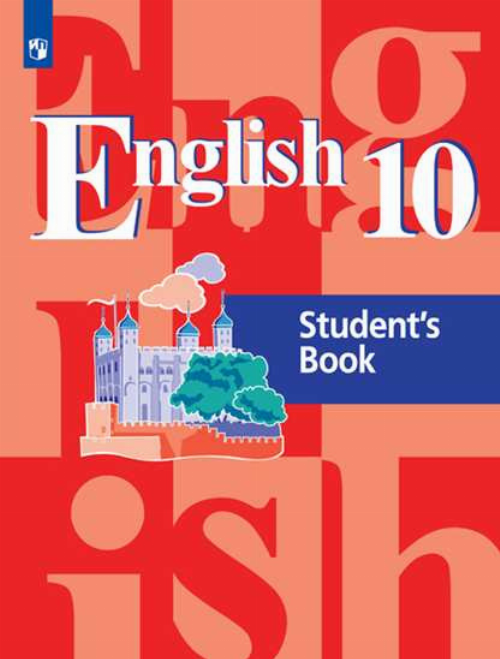
Приведем выдержку из задания из учебника Кауфман 10 класс, Титул: Pygmalion by Bernard Shaw’s (Extract from Act III) 1 Read an extract from Act III of Bernard Shaw’s «Pygmalion». Use the wordlist below and a dictionary if necessary. It is Mrs Higgins’s at-home day. Nobody has yet arrived. It is between four and five in the afternoon. The door is opened violently; and Higgins enters with his hat on. MRS HIGGINS: (dismayed) Henry! What are you doing here today? It is my at-home day: you promised not to come. (As he bends to kiss her, she takes his hat off, and presents it to him.) HIGGINS: (kissing her) I know, mother. I came on purpose. MRS HIGGINS: But you mustn’t. I’m serious, Henry. You offend all my friends: they stop coming whenever they meet you. HIGGINS: Nonsense! I know I have no small talk; but people don’t mind. MRS HIGGINS: Oh! don’t they? Small talk indeed! What about your large talk? Really, dear, you mustn’t stay. HIGGINS: I must. I’ve a job for you. A phonetic job. I’ve picked up a girl. MRS HIGGINS: Does that mean that some girl has picked you up? HIGGINS: Not at all. I don’t mean a love affair. MRS HIGGINS: What a pity! Do you know what you would do if you really loved me, Henry? HIGGINS: Oh, bother! What? Marry, I suppose? MRS HIGGINS: No. Stop fidgeting and take your hands out of your pockets. (With a gesture of despair, he obeys and sits down again.) That’s a good boy. Now tell me about the girl. HIGGINS: Well, it’s like this. She’s a common flower girl. I picked her off the kerbstone.1 MRS HIGGINS: And invited her to my at-home! HIGGINS: Oh, that’ll be all right. I’ve taught her to speak properly; and she has strict orders as to her behavior. She’s to keep to two subjects: the weather and everybody’s health — Fine day and How do you do, you know — and not to let herself go on things in general. That will be safe. MRS HIGGINS: Safe! To talk about our health! about our insides! perhaps about our outsides! How could you be so silly, Henry? HIGGINS: (impatiently) Well, she must talk about something. (He controls himself and sits down again.) Oh, she’ll be all right: don’t you fuss. Pickering is in it with me. I’ve a sort of bet on that I’ll pass her off as a duchess in six months. I started on her some months ago; and she’s getting on like a house on fire. I shall win my bet. She has a quick ear; and she’s been easier to teach than my middle-class pupils because she’s had to learn a complete new language. She talks English almost as you talk French. MRS HIGGINS: What does that mean? HIGGINS: You see, I’ve got her pronunciation all right; but you have to consider not only how a girl pronounces, but what she pronounces; and that’s where —They are interrupted by the parlor-maid, announcing guests. THE PARLOR-MAID: Mrs and Miss Eynsford Hill. HIGGINS: Oh Lord! (He rises; snatches his hat from the table; and makes for the door; but before he reaches it his mother introduces him.) MRS EYNSFORD HILL: (to Mrs Higgins) How do you do? (They shake hands.) MISS EYNSFORD HILL: How d’you do? (She shakes.) MRS HIGGINS: (introducing) My son Henry. MRS EYNSFORD HILL: Your celebrated son! I have so longed to meet you, Professor Higgins. HIGGINS: (glumly, making no movement in her direction) Delighted. (He backs against the piano and bows brusquely.) MRS HIGGINS: I’m sorry to say that my celebrated son has no manners. You mustn’t mind him.2 MISS EYNSFORD HILL: (gaily) I don’t. (She sits in the Elizabethan chair.) MRS EYNSFORD HILL: (a little bewildered) Not at all. HIGGINS: Oh, have I been rude? I didn’t mean to be. (The parlor-maid returns, ushering in Pickering.) THE PARLOR-MAID: Colonel Pickering. PICKERING: How do you do, Mrs Higgins? MRS HIGGINS: So glad you’ve come. Do you know Mrs Eynsford Hill… Miss Eynsford Hill? (Exchange of bows.) PICKERING: Has Heniy told you what we’ve come for? HIGGINS: (over his shoulder) We were interrupted: damn it! MRS HIGGINS: Oh, Henry, Henry, really! MRS EYNSFORD HILL: (half rising) Are we in the way? MRS HIGGINS: (rising and making her sit down again) No, no. You couldn’t have come more fortunately: we want you to meet a friend of ours. HIGGINS: (turning hopefully) Yes, by George! We want two or three people. You’ll do as well as anybody else. THE PARLOR-MAID: Mr Eynsford Hill. HIGGINS: God of Heaven! another of them. (He shakes Freddy’s hand.) HIGGINS: Well, here we are, anyhow! (He sits down on the ottoman next Mrs Eynsford Hill on her left.) And now, what the devil are we going to talk about until Eliza comes? MRS HIGGINS: Henry: you are the life and soul of the Royal Society’s soirees; but really you’re rather trying on more commonplace occasions. HIGGINS: Am I? Very sorry. (Beaming suddenly.) I suppose I am, you know. Ha, ha! THE PARLOR-MAID: (opening the door) Miss Doolittle. HIGGINS: (rising hastily and running to Mrs Higgins) Here she is, mother. (He stands on tiptoe and makes signs over his mother’s head to Eliza to indicate to her which lady is her hostess.) (Eliza, who is exquisitely dressed, produces an impression of such remarkable distinction and beauty as she enters that they all rise. Guided by Higgins’s signals, she comes to Mrs Higgins with studied grace.) LIZA: (speaking with pedantic correctness of pronunciation and great beauty of tone) How do you do, Mrs Higgins? Mr Higgins told me I might come. MRS HIGGINS: (cordially) Quite right: I’m very glad indeed to see you. PICKERING: How do you do, Miss Doolittle? LIZA: (shaking hands with him) Colonel Pickering, is it not? MRS EYNSFORD HILL: I feel sure we have met before, Miss Doolittle. I remember your eyes. LIZA: How do you do? (She sits down on the ottoman gracefully in the place just left vacant by Higgins.) MRS EYNSFORD HILL: (introducing) My daughter Clara. LIZA: How do you do? CLARA: (impulsively) How do you do? FREDDY: (coming to their side of the ottoman) I’ve certainly had the pleasure.3 LIZA: How do you do? MRS HIGGINS: Henry, please! (He is about to sit on the edge of the table.) Don’t sit on my writing-table: you’ll break it. HIGGINS: (sulkily) Sorry. (A long and painful pause ensues.) MRS HIGGINS: (at last, conversationally) Will it rain, do you think? LIZA: The shallow depression in the west of these islands is likely to move slowly in an easterly direction. There are no indications of any great change in the barometrical situation. FREDDY: Ha! Ha! How awfully funny! LIZA: What is wrong with that, young man? I bet I got it right. FREDDY: Killing!4 MRS EYNSFORD HILL: I’m sure I hope it won’t turn cold. There’s so much influenza about. It runs right through our whole family regularly every spring. LIZA: (darkly) My aunt died of influenza: so they said. MRS EYNSFORD HILL: (clicks her tongue sympathetically!!!) LIZA: (in the same tragic tone) But it’s my belief they done the old woman in. MRS HIGGINS: (puzzled) Done her in? LIZA: Y-e-e-e-es, Lord love you! Why should she die of influenza? She come through diphtheria right enough the year before. I saw her with my own eyes. Fairly blue with it, she was. They all thought she was dead; but my father he kept ladling gin down her throat till she came to so sudden that she bit the bowl off the spoon.5 MRS EYNSFORD HILL: (startled) Dear me! ——— 3 Я, несомненно, имел уже удовольствие. 4 Потрясающе! 5 Все думали, что она уже готова, но мой папаша — он схватил ложку и давай ей в глотку джин заливать, она так быстро опомнилась, что даже ложку откусила. ——— LIZA: What call would a woman with that strength in her have to die of influenza? What become of her new straw hat that should have come to me? Somebody pinched it6; and what I say is, them as pinched it done her in. MRS EYNSFORD HILL: What does doing her in mean? HIGGINS: (hastily) Oh, that’s the new small talk. To do a person in means to kill them. MRS EYNSFORD HILL: (to Eliza, horrified) You surely don’t believe that your aunt was killed? LIZA: Do I not! Them she lived with would have killed her for a hat-pin, let alone a hat. MRS EYNSFORD HILL: But it can’t have been right for your father to pour spirits down her throat like that. It might have killed her. LIZA: Not her. Gin was mother’s milk to her. Besides, he’d poured so much down his own throat that he knew the good of it. MRS EYNSFORD HILL: Do you mean that he drank? LIZA: Drank! My word! Something chronic. MRS EYNSFORD HILL: How dreadful for you! LIZA: (now quite at her ease) Not a bit. It never did him no harm what I could see. When he was out of work, my mother used to give him fourpence and tell him to go out and not come back until he’d drunk himself cheerful and loving-like. There’s lots of women has to make their husbands drunk to make them fit to live with. FREDDY: The new small talk. You do it so awfully well. LIZA: (to Higgins) Have I said anything I oughtn’t? MRS HIGGINS: Not at all, Miss Doolittle. LIZA: Well, that’s a mercy, anyhow.7 What I always say is — HIGGINS: (rising and looking at his watch) Ahem! LIZA: (taking the hint; and rising) Well: I must go. (They all rise.) So pleased to have met you. Goodbye. MRS HIGGINS: Goodbye. LIZA: (nodding to the others) Goodbye, all. FREDDY: (opening the door for her) Are you walking across the Park, Miss Doolittle? If so — LIZA: Walk! Not bloody likely.8 (Sensation.) I am going in a taxi. (She goes out.) Pickering gasps and sits down. MRS EYNSFORD HILL: (suffering from shock) Well, I really cant get used to the new ways. ————— 6 Кто-то ее спер. 7 Ну и слава богу. 8 Пешком! Черта с два! ————— CLARA: Oh, it’s all right, mamma, quite right. People will think we never go anywhere or see anybody if you are so old-fashioned. MRS EYNSFORD HILL: I am very old-fashioned; but I do hope you won’t begin using that expression, Clara. I have got accustomed to hear you talking about men as rotters, and calling everything filthy and beastly; though I do think it horrible and unlady-like.9 But this last is really too much. (rising) Well, after that, I think it’s time for us to go. (Pickering and Higgins rise.) CLARA: Oh yes: we have three at-homes to go to still. Goodbye, Mrs Higgins. Goodbye, Colonel Pickering. Goodbye, Professor Higgins. HIGGINS: Goodbye. Be sure you try on that small talk at the three at-homes. Don’t be nervous about it. CLARA: (all smiles) I will. Goodbye. Such nonsense, all this early Victorian prudery! HIGGINS: (tempting her) Such damned nonsense!10 CLARA: Such bloody nonsense!11 MRS EYNSFORD HILL: Clara! ————— 9 Я уже привыкла к твоей манере называть мужчин подлецами и отзываться обо всем «дрянь» и «свинство», хотя я и полагаю, что это ужасно и недостойно леди. 10 Такая адская чушь! 11 Такая чертова ерунда! ————— Wordlist at-home day — зд. приемный день a soiree — суаре, званый вечер small talk — светская болтовня a skill — навык to offend — оскорблять to ensue — обеспечивать to tempt — искушать dismayed —зд. испуганный, потрясенный sulkily — обиженно cordially — приветливо conversationally — непринужденно darkly — мрачно at ease — непринужденно *Цитирирование части задания со ссылкой на учебник производится исключительно в учебных целях для лучшего понимания разбора решения задания.
В этом отрывке из пьесы Б. Шоу Pygmalion показано, как Элиза Дулиттл, которую Хиггинс обучил правильному произношению и светской беседе, впервые появляется в доме миссис Хиггинс. Сначала она говорит слишком официально и даже смешно, но постепенно начинает чувствовать себя увереннее. В конце разговора Элиза уже свободно использует разговорные выражения, а миссис Эйнсфорд Хилл и её дочь удивлены её манерами и речью.
Ответ: Элиза производит впечатление воспитанной и красивой девушки, но её речь выдаёт простое происхождение. Хиггинс уверен, что смог научить её говорить как леди, однако в разговоре она неожиданно использует грубые и разговорные выражения, чем шокирует гостей.