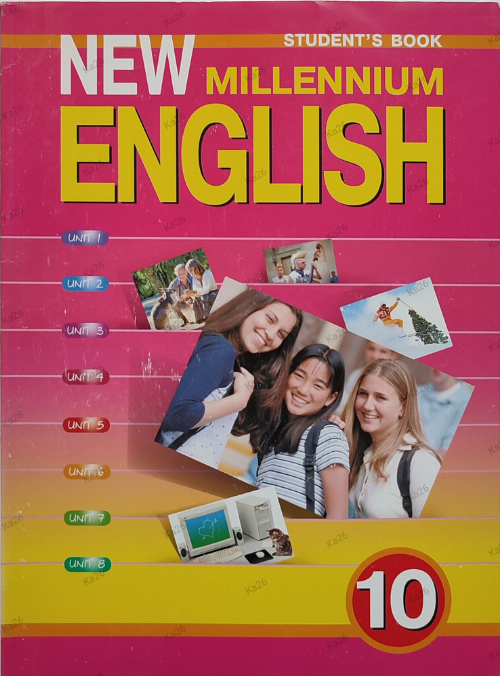
Упр.1 Check your progress Юнит 3 New Millennium English 10 класс
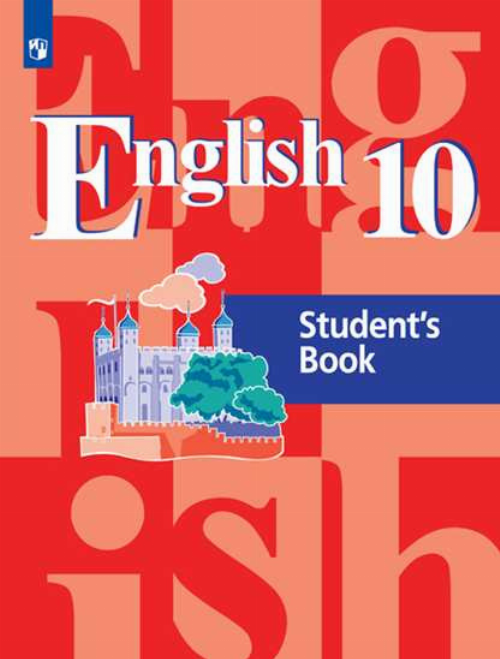
Приведем выдержку из задания из учебника Казырбаева, Дворецкая 10 класс, Титул: 1 Put the verbs in brackets in the correct tenses (active or passive). CHINESE NEW YEAR Of all festivals in the Chinese calendar, the New Year is without doubt the most colourful and important. It (1) (celebrate) … on the first day of the First Moon of the lunar Calendar and so varies every year from late January to early February. On New Year’s Eve families (2) (get) … together for a meal and (3) (eat) … jiaozi, or dumplings. Children (4) (give) n. red lucky money packets by their parents to wish them luck throughout the year. At midnight fireworks (5) (light) … up the sky, On New Year’s Day, people (6) (visit)… relatives, friends and neighours to wish them peace and happiness, These traditions (7) (pass) … down through the years — but how (8) no it all (start) …? The story goes that there (9) (be) … once a beast called Niah who (10) (swallow) n. up people on earth. He (11) (terrify) n. of loud noises and the coJourred and, just in case he (12) (come)… back, the people of China (13) (put) … up red decorations and (14) (let) On off firecrackers to scare him away, Red (15) ‘.. now (consider) no a lucky colour. The festival traditionally (16) (end) ,n on the 15th day of the lunar month with the Lantern Festival when the streets (17) (fill) .., with dragon dances. It is thought that the longer the dragon’s tail, the more good he (18) (bring) ‘n to the community. Chinese New Year customs (19) (vary) … from place to place. However the celebrations (20) (have) … the same meaning all over the worfd — to wish for peace, good luck and happiness. *Цитирирование части задания со ссылкой на учебник производится исключительно в учебных целях для лучшего понимания разбора решения задания.
1. is celebrated — Present Simple Passive, потому что речь идёт о традиции.
2. get — Present Simple Active, подлежащее families во множественном числе.
3. eat — Present Simple Active, однородный сказуемый с get together.
4. are given — Present Simple Passive, дети получают деньги от родителей.
5. light — Present Simple Active в страдательном значении по смыслу текста: fireworks light up the sky.
6. visit — Present Simple Active, действие совершают люди.
7. are passed — Present Simple Passive, традиции передаются из поколения в поколение.
8. did it all start — Past Simple, вопрос о начале события в прошлом.
9. was — Past Simple, в рассказе о прошлом.
10. swallowed — Past Simple Active, действие зверя в прошлом.
11. was terrified — Past Simple Passive, он был напуган громкими звуками.
12. came — Past Simple, в придаточном условном предложении.
13. put — Past Simple Active, последовательность действий в прошлом.
14. let — Past Simple Active, устойчивое сочетание let off firecrackers.
15. is considered — Present Simple Passive, сейчас красный цвет считается счастливым.
16. ends — Present Simple Active, речь о традиции.
17. are filled — Present Simple Passive, улицы заполняются танцами драконов.
18. brings — Present Simple Active, подлежащее he в 3-м лице ед. числа.
19. vary — Present Simple Active, подлежащее во множественном числе.
20. have — Present Simple Active, подлежащее the celebrations во множественном числе.
Ответ:
1 is celebrated; 2 get; 3 eat; 4 are given; 5 light; 6 visit; 7 are passed; 8 did it all start; 9 was; 10 swallowed; 11 was terrified; 12 came; 13 put; 14 let; 15 is considered; 16 ends; 17 are filled; 18 brings; 19 vary; 20 have.