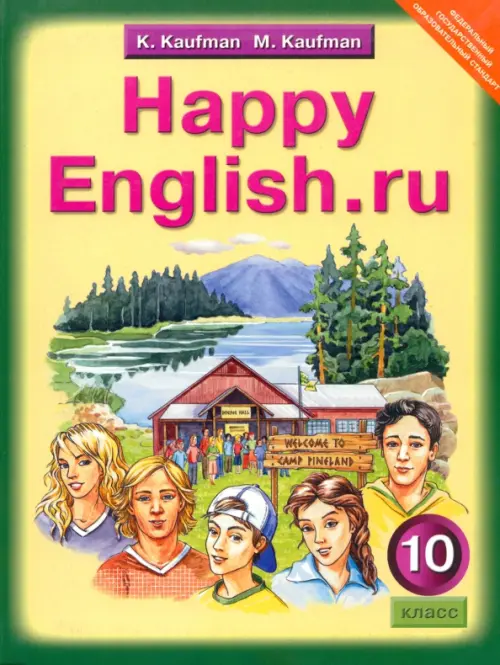
Упр.2 Юнит 5 Урок 1 ГДЗ English Кузовлев 10 класс
In your culture.
Here are some significant periods Russian history. Think of the best word for each gap.
The (1) … of the Eastern Slavs — the ancient ancestors of Russians — occupied the Eastern European Valley around the 7th century. The Slavs inhabited the valley and step by step they became the dominant (2) … . None of the specialists can say exactly when and where Slavic languages first (3) … . Some of them think that it started (4) … in the 2nd millennium BC, others are quite sure that it was in the 5th century BC. The 13th century was one of the hardest periods in Russian history because the Mongols started their (5) … on Rus’. As a result, most of the Russian principalities (territories where a prince or a princess reigned) were (6) … by the Mongol Empire. This (7) … led to further disintegration of Ancient Rus’. The 18th century was another (8) … in Russian history. Peter the Great (9) … of the Russian Empire. Later Peter the Great’s (10) … were focused on expanding the territory, they strengthened the military (11) … of the state. The First World War led to the Revolution that put an end to the (12) … of the Romanov dynasty, destroyed the Russian Empire and dramatically changed Russia for the coming seventy years. The year of 1991 was significant for Russian history because it was the year when the USSR ceased to (13) …. Instead of the USSR 15 independent states were established and the Russian Federation became the largest (14) … of the former Union. That year B. Yeltsyn (15) … President of the Russian Federation.
- rivals / tribes
- power / reign
- emphasised / emerged
- spreading / surpassing
- restriction / raids
- abolished / conquered
- invasion / foundation
- restriction / cornerstone
- defeated / laid the foundation
- rivals / successors
- power / reign
- slavery / reign
- exist / emerge
- successor / rival
- surpassed / was elected
The best words for the gaps are:
- tribes
- power
- emerged
- spreading
- raids
- conquered
- invasion
- cornerstone
- laid the foundation
- successors
- power
- reign
- exist
- successor
- was elected
Completed text:
The tribes of the Eastern Slavs — the ancient ancestors of Russians — occupied the Eastern European Valley around the 7th century. The Slavs inhabited the valley and step by step they became the dominant power. None of the specialists can say exactly when and where Slavic languages first emerged. Some of them think that it started spreading in the 2nd millennium BC, others are quite sure that it was in the 5th century BC. The 13th century was one of the hardest periods in Russian history because the Mongols started their raids on Rus’. As a result, most of the Russian principalities (territories where a prince or a princess reigned) were conquered by the Mongol Empire. This invasion led to further disintegration of Ancient Rus’. The 18th century was another cornerstone in Russian history. Peter the Great laid the foundation of the Russian Empire. Later Peter the Great’s successors were focused on expanding the territory, they strengthened the military power of the state. The First World War led to the Revolution that put an end to the reign of the Romanov dynasty, destroyed the Russian Empire and dramatically changed Russia for the coming seventy years. The year of 1991 was significant for Russian history because it was the year when the USSR ceased to exist. Instead of the USSR 15 independent states were established and the Russian Federation became the largest successor of the former Union. That year B. Yeltsyn was elected President of the Russian Federation.