1-11 класс
  • 1-11 класс
  • 1 класс
  • 2 класс
  • 3 класс
  • 4 класс
  • 5 класс
  • 6 класс
  • 7 класс
  • 8 класс
  • 9 класс
  • 10 класс
  • 11 класс
Выберите класс
Предметы
Кузовлев
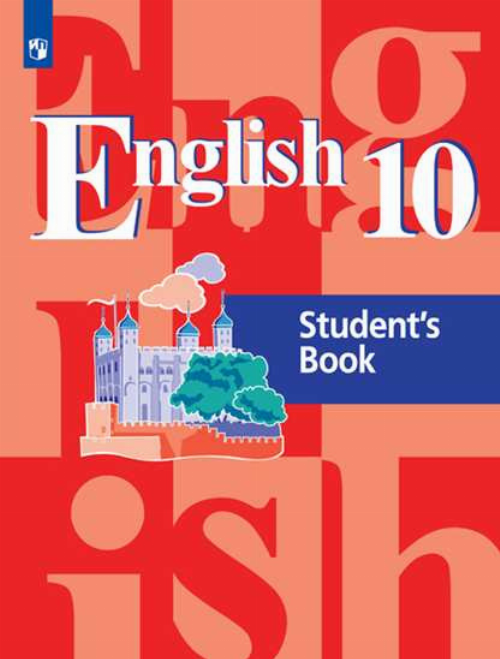
Упр.2 Юнит 4 Урок 1 ГДЗ English Кузовлев 10-11 класс
Кузовлев
10 класс
Автор
Кузовлев

Упр.2 Юнит 4 Урок 1 ГДЗ English Кузовлев 10-11 класс

Задача

Приведем выдержку из задания из учебника Кузовлев 10-11 класс, Просвещение: 2. To protect children’s rights the United Nations’ has worked out an international agreement called the United Nations Convention on the Rights of the Child ‘ It gives you different rights. 1) What are these rights? (reading for specific information) All children have the right to non-discrimination. (Article 2) Children have the right to life. (Article 6) All children have the right to name and nationally at birth (при рождении). (Article 7) Children have the right to express their views. (Article 12) Children have the right to meet other people. (Article 15) Children have the right to privacy. (Article 16) Children have the right to information. (Article 17) Children have the right to protection. (Articles 19; 32) Disabled children have the right to take a full and active part in everyday life. (Article 23) Children have the right to health and health care. (Article 24) Children have the right to education and development. (Articles 28; 29) Children have the right to leisure. (Article 31) 2) How can you say about your rights in two possible ways? 3) Which rights didn’t you expect to find in the Convention? 4) Read how the children’s rights are explained in the Guide to the UN Convention. Match the explanation with the article of the Convention, (reading for detail) WHAT ARE ALL THESE RIGHTS ABOUT? A Guide to the UN Convention +AII children must get a name when they are born and become a citizen of a particular (определенный) country. +The Government must give children good medical care and try to reduce (сократить) the number of deaths in childhood (детская смертность). +All children should have the rights whatever (несмотря на) their race, sex, religion, language, disability, opinion or family background (положение). +Children should have a chance to live in a safe and unpolluted environment with good food and clean drinking water. +Children with disabilities must be helped to be as independent as possible. +Children should have the best chance to develop their abilities. +Every child can go to school. Different kinds of secondary schools should be available (доступны) for children. +School should help children develop their skills, teach them about their own and people’s rights and prepare for adult life. +The Government should protect children from harm, cruelty, abuse (оскорбление) and dangerous drugs. +Children can join organisations, take part in meetings and peaceful demonstrations which do not affect other people’s rights. +Every child should have a chance to rest and play. +Children can say what they think. What they say must be listened to carefully. +The Government must protect children from exploitation and dangerous work which can harm their health or interfere with (помешать) their education. + Children can get information, especially that would make their life better. +Nobody can open children’s letters and listen to their phone calls. 5) Which rights seem most important to you? Why? Put them in order of importance. Compare your list of rights with your classmates1 lists. 6) IN YOUR CULTURE Russia joined the UN Convention in 1989. What rights do Russian children have? (AB Unit 4, ex. 1) *Цитирирование части задания со ссылкой на учебник производится исключительно в учебных целях для лучшего понимания разбора решения задания.

Подробный ответ

Ответ

  1. All children have the right to non-discrimination. (Article 2)
  2. Children have the right to life. (Article 6)
  3. All children have the right to a name and nationality at birth. (Article 7)
  4. Children have the right to express their views. (Article 12)
  5. Children have the right to meet other people. (Article 15)
  6. Children have the right to privacy. (Article 16)
  7. Children have the right to information. (Article 17)
  8. Children have the right to protection. (Articles 19, 32)
  9. Disabled children have the right to take a full and active part in everyday life. (Article 23)
  10. Children have the right to health and health care. (Article 24)
  11. Children have the right to education and development. (Articles 28, 29)
  12. Children have the right to leisure. (Article 31)

2) You can say about your rights in two ways:

  • I have the right to …
  • Children have the right to …

3) The rights that may seem unexpected are the right to privacy, the right to leisure, and the right to meet other people.

4) Match the explanations with the articles:

ExplanationArticle
All children must get a name when they are born and become a citizen of a particular country.Article 7
The Government must give children good medical care and try to reduce the number of deaths in childhood.Article 24
All children should have the rights whatever their race, sex, religion, language, disability, opinion or family background.Article 2
Children should have a chance to live in a safe and unpolluted environment with good food and clean drinking water.Article 6
Children with disabilities must be helped to be as independent as possible.Article 23
Children should have the best chance to develop their abilities.Article 29
Every child can go to school. Different kinds of secondary schools should be available for children.Article 28
School should help children develop their skills, teach them about their own and people’s rights and prepare for adult life.Article 29
The Government should protect children from harm, cruelty, abuse and dangerous drugs.Article 19
Children can join organisations, take part in meetings and peaceful demonstrations which do not affect other people’s rights.Article 15
Every child should have a chance to rest and play.Article 31
Children can say what they think. What they say must be listened to carefully.Article 12
The Government must protect children from exploitation and dangerous work which can harm their health or interfere with their education.Article 32
Children can get information, especially that would make their life better.Article 17
Nobody can open children’s letters and listen to their phone calls.Article 16

5) The most important rights for me are the right to life, the right to education, and the right to protection, because they help children live safely and develop.

6) Russian children have the right to life, education, health care, protection, a name and nationality, privacy, leisure, and the right to express their views.


Общая оценка
3.9 / 5
Другие учебники
Другие предметы