Тема 5 Spotlight on Russia ГДЗ Spotlight 10 класс
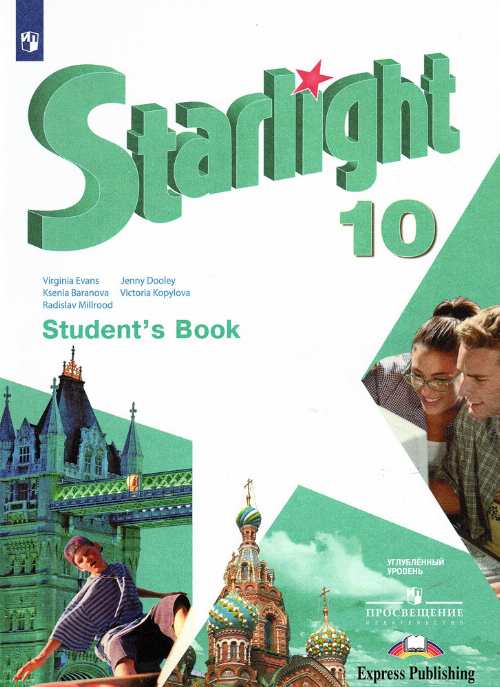
Приведем выдержку из задания из учебника Юлия Ваулина, Джунни Дули 10 класс, Просвещение: 5. Environment(стр.7) It’s one of the most famous lakes in the world and it’s one of Russia’s greatest landmarks. Lake Baikal, in eastern Siberia, is a miracle of nature. It’s the deepest lake on Earth and it contains more water than all the Great Lakes of America put together. It’s also the oldest lake on Earth and, after more than 25 million years, Lake Baikal is still growing at a rate of 2 cm a year. However, facts and figures fail to describe the breathtaking beauty of Baikal. The water is crystal clear, and when you can see the shimmering stones on the bottom of the lake it’s hard to believe they’re so deep down. But then this tranquillity can easily become a tempest. As the lake changes its mood, the wind rises and huge waves begin to roll across the surface. Lake Baikal is surrounded by some magnificent mountain ranges, such as the Primorsky, Baikalsky and Barguzinsky. More than 300 rivers flow into Lake Baikal and only one river, the Angara, flows outwards. Of the 22 islands in the lake, the most famous is Olkhon Island, where they say the sun shines brightly for more than 300 days a year. Olkhon is a place of legend and wild spirits, and it’s home to the famous Shamanka,where shamans used to live in times gone by. This environmental treasure also contains a wealth of biodiversity. Most of the 2,635 species of animals and plants discovered in and around Lake Baikal cannot be found anywhere else in the world. The lake is also the only breeding ground for the Baikal Seal and the Omul fish, on which they feed. In 1996, Baikal was declared a UNESCO World Heritage Site. The total area of the site is 8.8 million hectares, which includes the lake’s surface, three reserves, and two national parks, Pribaikalsky and Tunkinsky. Today, this precious Russian jewel is threatened by the industry around its shores. We can only hope that future generations will be able to come here and enjoy Lake Baikal as much as we do. Is there an area near you that is particularly beautiful? What makes it so special? What do people do there? Send Spotlight on Russia some drawings or photographs of your special place. ACTIVITIES • In pairs, discuss what you find most impressive about Lake Baikal. • What would you like to do there? • ICT How can people help to protect this fragile environment? Collect information using the Internet. *Цитирирование части задания со ссылкой на учебник производится исключительно в учебных целях для лучшего понимания разбора решения задания.
Lake Baikal is one of the most famous lakes in the world and one of Russia’s greatest landmarks. It is in eastern Siberia and is a miracle of nature. It is the deepest lake on Earth and contains more water than all the Great Lakes of America put together. It is also the oldest lake on Earth, and after more than 25 million years, it is still growing by 2 cm a year.
The lake is famous for its breathtaking beauty. The water is crystal clear, and the stones on the bottom can be seen shimmering through it. But the calm water can quickly turn into a storm, with strong winds and huge waves. Lake Baikal is surrounded by magnificent mountain ranges, such as the Primorsky, Baikalsky and Barguzinsky ranges.
More than 300 rivers flow into Lake Baikal, and only one river, the Angara, flows out. Of the 22 islands in the lake, the most famous is Olkhon Island. It is a place of legend and wild spirits, and it is home to the famous Shamanka, where shamans used to live in times gone by.
Lake Baikal is also an environmental treasure with a wealth of biodiversity. Most of the 2,635 species of animals and plants found in and around the lake cannot be found anywhere else in the world. It is the only breeding ground for the Baikal seal and the omul fish.
In 1996, Baikal was declared a UNESCO World Heritage Site. Today, this precious Russian jewel is threatened by industry around its shores, so it is important to protect this fragile environment for future generations.