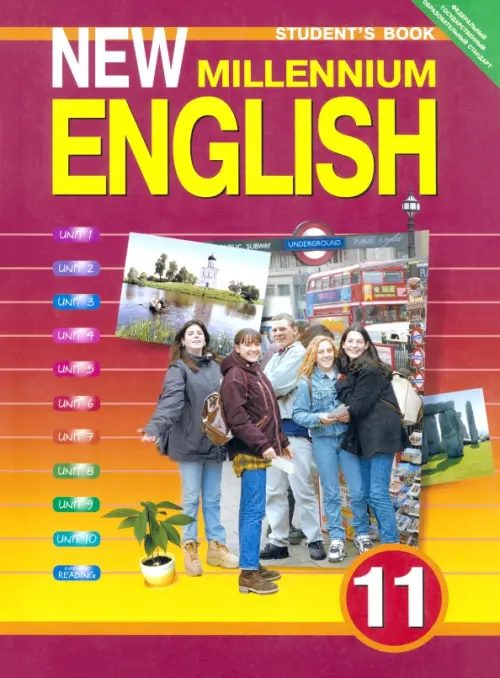
Упр.4a Уроки 3-4 Юнит 5 New Millennium English 11 класс
4 A. Выполните задания рядом с двумя текстами (упр. 2).
Сообщение от Джейка в Ливерпуле по электронной почте.
Дети знают, какие программы передач подходят им, а какие не соответствуют? Очевидно, нет (do children know which programmes are suitable and which are inappropriate for them).
В наши дни передачи привлекают всё больше и больше зрителей, особенно среди молодёжи. Знаете ли вы, что, например, 64% всего насилия — в мультфильмах? А сколько родителей мешают ребёнку смотреть мультики? В любом случае, очень мало родителей фактически не знают того, что их дети смотрят, особенно сейчас, когда у многих из них есть телевизор в спальне. И с этого-то проблемы и начинаются (and that’s where the problems start).
Для детей не всегда легко найти различие между действительностью и фантазией, и некоторые из них начинают подражать насильственному поведению, которое они видят в их любимых передачах. Всё слышали об эксперименте с куклами? Я недавно прочитал об этом. Психологи показывали двум группам детей разные видеоролики. Первая группа видела, как девочка играла с куклой, тогда как вторая группа видела, как другая девочка пнула и поразила ту же самую куклу. Впоследствии детей (я не уверен, какого возраста они были — жаль (I’m not sure how old they were — sorry)!) оставили в комнате с куклой, как в том видео. Первая группа просто играла с куклой и другими игрушками, но (Вы предположили это (you’ve guessed it)!) вторая группа скоро начала вести себя яростно с куклой. Конечно, свидетельство не могло быть более ясным! Насилие по телевидению оказывает отрицательный эффект на детское поведение.
- Какова точка зрения Джейка о телевизионном насилии?
- Какие факты он использует, чтобы доказать его мнение?
- Вы думаете, что насилие по телевизору должно быть запрещено? Кто должен быть ответственен за это?
Jake’s message
- Jake believes that violence on television has a negative effect on children’s behaviour.
- He uses several facts to support his opinion: television programmes attract more and more young viewers; about 64% of all television violence is shown in cartoons; many parents do not know what their children watch; children may imitate violent behaviour; and the experiment with the dolls showed that children who had watched violent behaviour acted violently themselves.
- I do not think that all violence on television should be banned, but programmes containing violent scenes should be restricted for children. Parents, television companies and the government should be responsible for this.
Text 1
- The order of the text is:
- introduction of the topic;
- description of the problem;
- example;
- conclusion.
- The question is not addressed directly to anyone. The author uses it to attract the reader’s attention. It is a rhetorical question, which does not require an answer. It also helps to create a kind of dialogue with the reader.
- The author addresses the reader directly by using the second person.
- The inverted word order draws the reader’s attention to the important phrase.
- The first person is used because the text is informal and personal.
- This is supplementary information. The phrase also sounds like spoken English, as if the author were talking to the reader.
Text 2
- The order of the text is:
- introduction of the topic;
- statement of the problem;
- general proposal;
- detailed proposal;
- conclusion and appeal.
- The emotionally coloured vocabulary shows that the authors of the letter want to stress these ideas.
- The first person is used to make the appeal sound personal.
- The emotional phrase is intended to persuade the readers to sign the appeal.