

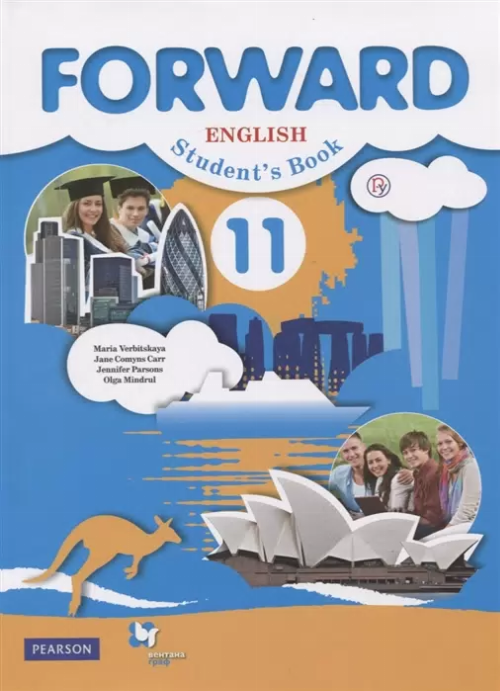
Стр.19 Unit 2 ГДЗ Вербицкая Forward 11 класс
Вербицкая, Камине Д.Карр, Парсонс
11 класс
Класс
11
Предмет
Английский
Автор
Вербицкая, Камине Д.Карр, Парсонс
Стр.19 Unit 2 ГДЗ Вербицкая Forward 11 класс
Задача
LISTENING AND VOCABULARY
- Complete the word web with the words and phrases from the box. Use a dictionary to help you.
brainy; brainwave; brainwash; brainbox; be the brains behind; brainless; pick someone’s brains; brain dead; use your brain; brainstorm - Complete the sentences with the correct expressions from Exercise 1.
- How would you describe a genius? Write your definition and compare ideas in small groups.
- In pairs, look at the photos and answer the questions.
1 What do you know about these people?
2 What was extraordinary about them?
3 Which of them was a genius, do you think? Why?
4 Who would you consider to be a ‘twenty-first-century genius’? Why?
1 Virginia Woolf
2 Mahatma Gandhi
3 Sigmund Freud
4 Bob Marley
5 Albert Einstein - Below there are four types of geniuses. In pairs, discuss who/what they might be like. Then listen to Part 1 of a radio programme and check.
the master; the maker; the introspector; the influencer - T010 Listen to Part 1 again and choose the correct answers (a–d).
1 Dr Gardner thinks
a academic work is the most important.
b everybody has different strengths.
c exams make people brain dead.
d we are all intelligent in one way.
2 Mozart was a ‘master’ because he
a was a genius.
b created a new kind of music.
c wasn’t like Freud.
d was brilliant at what he did.
3 Freud was a ‘maker’ because he
a was a musician.
b created many new things.
c developed a completely new field.
d was a psychoanalyst.
4 Virginia Woolf
a wrote about introspective people.
b was very self-conscious.
c was like Mrs Dalloway.
d worked on understanding people.
5 Gandhi
a tried to influence Nelson Mandela.
b wasn’t interested in other people.
c changed the way people thought.
d didn’t affect people in India. - T011 Before you listen to Part 2 of the programme, decide if the statements are true or false, and why. Then listen and check.
1 A genius is made by ambition, luck and the time they live in.
2 When Einstein was born, physicists were confident about their subject.
3 Einstein was able to think in terms of both space and music.
4 In general, people usually want to learn from their problems.
5 Extraordinary people spend a lot of time reflecting.
6 It doesn’t take them long to work out the answers to problems. - Look back at Exercises 3 and 4. In groups, discuss the questions.
• How similar/different was your definition of a genius to Dr Gardner’s?
• What can you add to your answers in Exercise 4, using the information from the radio programme?
Подробный ответ
1.
| Verbs | Nouns | Adjectives | Idioms |
|---|---|---|---|
| brainwash brainstorm | brainwave brainbox | brainy brainless brain dead | be the brains behind pick someone’s brains use your brain |
2.
- Let’s get together and brainstorm ideas for our next project.
- My brother’s the brainy one, but I’m better-looking!
- If you keep watching TV all the time, you’ll end up being brain dead.
- Bob Geldof was the brains behind Live Aid and Live 8.
- I’ve just had a brainwave! Let’s go to Prague for the weekend!
- Advertisements brainwash us into buying things we don’t need.
- Dad, I can’t do my homework. Can I pick your brains?
- You just went through a red light, Dan! That was a brainless thing to do.
- Martin’s the brainbox of the class. He always gets top marks.
- You had to use your brain to do this exercise!
6.
- b everybody has different strengths.
- d was brilliant at what he did.
- c developed a completely new field.
- d worked on understanding people.
- c changed the way people thought.
7.
- True. A genius is made by ambition, luck and the time they live in.
- False. When Einstein was born, physicists were questioning the old laws of physics.
- True. Einstein could think spatially as well as mathematically.
- False. Extraordinary people usually learn from their problems.
- True. Extraordinary people spend a lot of time reflecting.
- False. They spend a long time mastering something and working on problems.
Другие учебники







Другие предметы