1-11 класс
  • 1-11 класс
  • 1 класс
  • 2 класс
  • 3 класс
  • 4 класс
  • 5 класс
  • 6 класс
  • 7 класс
  • 8 класс
  • 9 класс
  • 10 класс
  • 11 класс
Выберите класс
Предметы
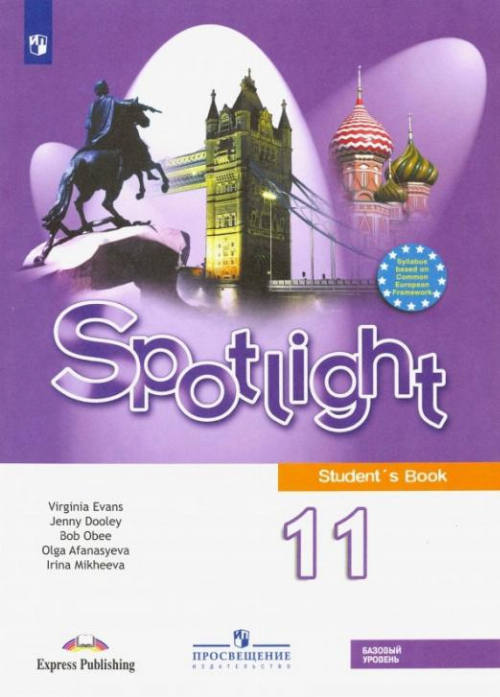
Spotlight
Упр.2 Модуль 1 Across the curriculum ГДЗ Spotlight 11 класс
Юлия Ваулина, Джунни Дули
11 класс
Автор
Юлия Ваулина, Джунни Дули

Упр.2 Модуль 1 Across the curriculum ГДЗ Spotlight 11 класс

Задача

Приведем выдержку из задания из учебника Юлия Ваулина, Джунни Дули 11 класс, Просвещение: 2 Use the words in brackets (1-10) in the correct form to complete the gaps. Explain the words in bold. Victorian Families) Upper & Middle Class Families Families were very important to Victorians. They were usually large, with an average family 1)…(have) at least five or six children. The father, who perhaps worked in banking or insurance, was the head of the household The children would speak 2)…(polite) to him, and call him «Sir». The mother was responsible for 3)… (run) the household and would usually spend her time planning dinner parties or visiting her dressmaker or friends. Children saw very little of 4)… (they) parents anaf spent most oft/re day rn the nursery wrtft a nanny1 as Victorians firmly believed that a child should be ‘seen and not 5)… (hear)’! Upper and middle class families lived in large, 6)… (comfort) houses and had servants such as a cook and kitchen maids to prepare the family meals, a butler to answer the door and wait on the family, and housemaids to carry out household chores such as washing clothes, cooking and cleaning. For entertainment, families 7)… (visit) new parks and museums, such as the Victoria and Albert Museum. WORKING CLASS FAMILIES Most of these families lived in small houses. Often several families lived in a single room. Houses had no running water and it was not 8)… (common) for a whole street to share two 9)…(out) toilets and a water pump. It was very common for poor families to have as many as nine or ten children, many of hom didn’t go to school. Instead, they looked after their 10…(young) brothers and sisters or even worked. In Victorian Britain, children as young as three or four years of age, worked up to 16 hours a day in coal mines, in cotton mills and as chimney sweeps. The father of the house often worked in a factory while the mother was responsible for all the household chores. For entertainment, working class families went to parks, cheap music halls or to gardens which had fairgrounds, sports matches and fireworks displays. *Цитирирование части задания со ссылкой на учебник производится исключительно в учебных целях для лучшего понимания разбора решения задания.

Подробный ответ

Выполнение

1) having
2) politely
3) running
4) their
5) heard
6) comfortable
7) visited
8) common
9) outside
10) younger

Ответ

Victorian Families

Upper & Middle Class Families

Families were very important to Victorians. They were usually large, with an average family having at least five or six children. The father, who perhaps worked in banking or insurance, was the head of the household. The children would speak politely to him, and call him “Sir”. The mother was responsible for running the household and would usually spend her time planning dinner parties or visiting her dressmaker or friends. Children saw very little of their parents and spent most of the day in the nursery with a nanny, as Victorians firmly believed that a child should be “seen and not heard”! Upper and middle class families lived in large, comfortable houses and had servants such as a cook and kitchen maids to prepare the family meals, a butler to answer the door and wait on the family, and housemaids to carry out household chores such as washing clothes, cooking and cleaning. For entertainment, families visited new parks and museums, such as the Victoria and Albert Museum.

Working Class Families

Most of these families lived in small houses. Often several families lived in a single room. Houses had no running water and it was not common for a whole street to share two outside toilets and a water pump. It was very common for poor families to have as many as nine or ten children, many of whom didn’t go to school. Instead, they looked after their younger brothers and sisters or even worked. In Victorian Britain, children as young as three or four years of age worked up to 16 hours a day in coal mines, in cotton mills and as chimney sweeps. The father of the house often worked in a factory while the mother was responsible for all the household chores. For entertainment, working class families went to parks, cheap music halls or to gardens which had fairgrounds, sports matches and fireworks displays.

Разбор

having — после with нужен герундий.
politely — наречие, оно относится к глаголу speak.
running — после responsible for употребляется герундий.
their — притяжательное местоимение.
heard — пассивная форма: seen and not heard.
comfortable — прилагательное перед существительным houses.
visited — прошедшее время, так как речь идёт о прошлом.
common — в конструкции it was not common.
outside — составное прилагательное outside toilets.
younger — сравнительная степень прилагательного young.


Общая оценка
4.5 / 5
Другие учебники
Другие предметы