1-11 класс
  • 1-11 класс
  • 1 класс
  • 2 класс
  • 3 класс
  • 4 класс
  • 5 класс
  • 6 класс
  • 7 класс
  • 8 класс
  • 9 класс
  • 10 класс
  • 11 класс
Выберите класс
Предметы
English
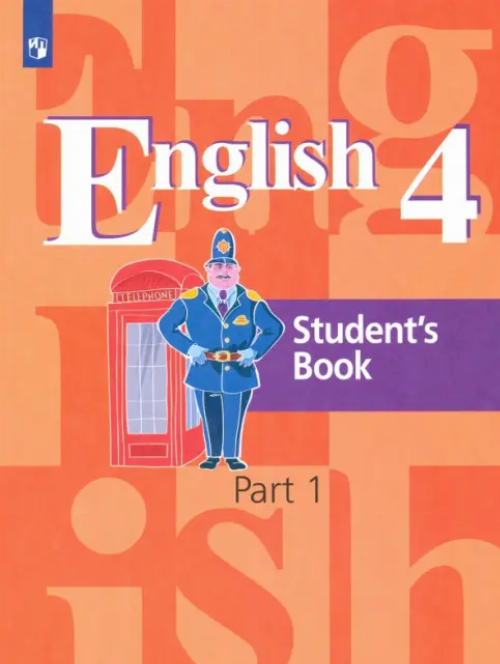
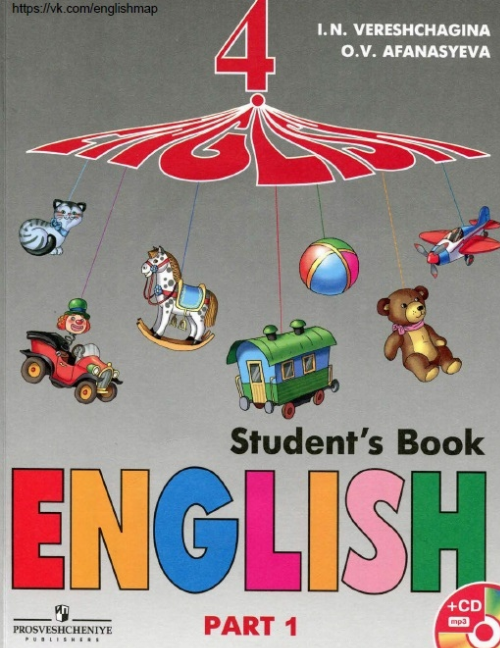
Урок 11 ГДЗ Верещагина Афанасьева 4 класс
Верещагина, Афанасьева
4 класс
Автор
Верещагина, Афанасьева

Урок 11 ГДЗ Верещагина Афанасьева 4 класс

Задача

Приведем выдержку из задания из учебника Верещагина, Афанасьева 4 класс, Просвещение: Lesson 11
Let Us Learn
1 Say what they are:
1. the days of the week which come after Sunday;
2. a thing we can draw with;
3. a thing pupils wear at school;
4. a thing on which we write at school;
5. the days of the week when pupils don’t go to school;
6. a class where we can run, jump and ski;
7. a place which can help you know more about history;
8. a class where we can make things.
2 Put in: at, on, in, after, before.
1. Pete gets up at seven o’clock.
2. We clean our teeth in the morning.
3. They play leapfrog after classes.
4. On Sunday we shall go to the zoo.
5. We never drink coffee in class.
6. We always meet before classes in the morning.
3 Look at the pictures and offer the people your help. Use the model Shall I …?
4 Learn how to pronounce and use the new words, 12.
5 Let’s talk about your timetable.
Example: On Monday I’ve got 5 classes: P.E., Russian, English, Reading and Handicraft.
LOOK, READ, REMEMBER!
What’s the time?
It’s half past six.
6 Learn how to read the new words and sentences.
half [ha:f — halves [ha:vz], the first half of the day, half a cake, half an apple. Give me half a carrot, please.
past, past two, at half past five. It’s half past four. After classes at half past two I go to the swimming pool.
desk — desks, to sit (to be) at the desk. There are twelve desks in the room. — Is your desk comfortable?
classroom — classrooms. — What is there in your classroom? — There are some desks, chairs and the teacher’s table in it.
lesson — lessons, a difficult lesson, at/in the lesson. How many lessons have you got on Monday? Do you like your English lessons?
never. We never have lessons on Sunday. She never gets up at 5. They never go to school at night.
timetable, school timetable, in the timetable. Do you know where our timetable is? Look at the timetable. We have P.E. in the timetable today.
Maths, Maths exercises, our Maths teacher, problems with Maths. Does your brother have Maths on Tuesday? Have you got any problems with Maths?
Art, art museum, Art exercises, your Art teacher. Have you got Art today? We’ve got Art on Thursday and Friday.
Music, Music exercises, Music class, a Music teacher. I like music very much. Have you got Music on Thursday?
study — studied. When you study, you begin to know a lot. He likes to have Nature Study classes. Did you have Nature Study on Thursday? Who is your Nature Study teacher?
7 Look at the pictures and say what time it is.
6:30
11:30
2:30
3:30
8:30
10:30
8 Look at the pictures and say: a) what they usually do at the time and b) what they are doing now.
Let Us Listen, Read and Learn
9 Enjoy your English and sing the song “We Met on Sunday”, 13, part II.
WE MET ON SUNDAY
II. We danced on Thursday, the fifth of July.
On Sunday we met and on Monday we talked.
On Tuesday we smiled and on Wednesday we laughed.
On Thursday we danced, on the fifth of July.
We cried on Friday, the sixth of July.
On Sunday we met and on Monday we talked.
On Tuesday we smiled and on Wednesday we laughed.
On Thursday we danced and on Friday we cried,
On the sixth of July.
We parted1 on Saturday, the seventh of July.
On Sunday we met and on Monday we talked.
On Tuesday we smiled and on Wednesday we laughed.
On Thursday we danced and on Friday we cried.
But on Saturday we parted
And we said: “Goodbye.” “Goodbye.”
10 Now you know the whole song. Answer the following questions:
1. When did they meet (talk, smile, laugh, dance, cry, part and say goodbye)?
2. What did they do on Sunday (Monday, Tuesday, Wednesday, Thursday, Friday and Saturday)?
3. Did you like the song?
11 Read the proverb and give its Russian equivalent.
It’s never too late to learn.
12 Read the text about Santi’s school. Can you find any difference between his school and your school?
SANTI GOES TO SCHOOL
Santi is a little boy who is eight. He lives in Central Africa and goes to school there. School starts at seven o’clock in the morning, but he goes to school at half past six. Why? Well, he wants to get a desk near the teacher’s table. In Santi’s class there are fifty-two pupils.
The pupils play in the playground before classes. Some of them wear their school uniform: a white blouse or a shirt and a blue skirt or trousers. When they come into the class- room, many of the girls take off their blouses and skirts. They usually put on T-shirts and shorts. They do this because they are not comfortable in uniform as it is very hot in the room and because they don’t want to get their uniforms dirty.
Before classes they sing one or two songs. The pupils have classes five days a week. Every day they have five lessons. They study English, Maths, Geography, R E., History, Music and Art. They have swimming, games and computer studies too.
Have a look at Santi’s timetable:
Time/Day
7.00
8.00
9.00
10.00 – Lunch
11.00
12.00
MONDAY
Art
Geography
Maths
English
History
TUESDAY
Maths
English
Swimming
Maths
Geography
WEDNESDAY
English
Nature
Study
Computing
Games
Games
THURSDAY
Music
History
English
Nature
Study
Maths
FRIDAY
English
Computing
Maths
Art
Art
13 Say: true, false or don’t know.
1. Santi is from Central America.
2. School starts at 6.30 in the morning.
3. Santi comes to school early.
4. Не always wears his school uniform.
5. The school uniform is a T-shirt and shorts.
14 Put these sentences in the right order.
1. There are 52 pupils in Santi’s class.
2. In class pupils can wear T-shirts and shorts.
3. Santi always comes to school very early.
4. A school day starts with singing before classes.
5. The pupils play in the playground before classes.
Let Us Talk
15 Discuss these questions in pairs or groups.
1. What time do you go to school every morning? Why?
2. What do you do in the playground before classes?
3. Where do you like to sit in the classroom? Why?
4. What is your favourite lesson? Why?
16 Look at Santi’s timetable and tell about yours (see Exercise 12).
Let Us Write
17 Copy and complete the sentences about Santi’s school.
1. The pupils play in the playground before classes.
2. When they are in class, many of the girls take off their blouses and skirts.
3. Before classes they play in the playground.
4. Pupils don’t always wear their uniform in class.
18 Write the sentences using the following: at the desk, at the lesson. in the timetable, at half past …. after classes.
19 Learn how to write these words.
half (halves), past, desk, classroom, lesson, never, timetable, Maths, Art, Music, to study (studied) *Цитирирование части задания со ссылкой на учебник производится исключительно в учебных целях для лучшего понимания разбора решения задания.

Подробный ответ

1. Say what they are:

  1. the days after Sunday — Monday, Tuesday, Wednesday, Thursday, Friday and Saturday
  2. a thing we can draw with — a pencil
  3. a thing pupils wear at school — a school uniform
  4. a thing on which we write at school — a desk
  5. the days when pupils don’t go to school — Saturday and Sunday
  6. a class where we can run, jump and ski — P.E.
  7. a place which can help you know more about history — a museum
  8. a class where we can make things — Handicraft

2. Put in: at, on, in, after, before.

  1. Pete gets up at seven o’clock.
  2. We clean our teeth in the morning.
  3. They play leapfrog after classes.
  4. On Sunday we shall go to the zoo.
  5. We never drink coffee in class.
  6. We always meet before classes in the morning.

7. Say what time it is.

  1. It’s half past six.
  2. It’s half past eleven.
  3. It’s half past two.
  4. It’s half past three.
  5. It’s half past eight.
  6. It’s half past ten.

10. Answer the questions.

  1. They met on Sunday, talked on Monday, smiled on Tuesday, laughed on Wednesday, danced on Thursday, cried on Friday, and parted on Saturday.
  2. On Sunday they met, on Monday they talked, on Tuesday they smiled, on Wednesday they laughed, on Thursday they danced, on Friday they cried, and on Saturday they parted.
  3. Yes, I did.

11. Russian equivalent: Учиться никогда не поздно.

13. Say: true, false or don’t know.

  1. False
  2. False
  3. True
  4. Don’t know
  5. False

14. Put these sentences in the right order.

  1. Santi always comes to school very early.
  2. There are 52 pupils in Santi’s class.
  3. The pupils play in the playground before classes.
  4. A school day starts with singing before classes.
  5. In class pupils can wear T-shirts and shorts.

17. Copy and complete the sentences about Santi’s school.

  1. The pupils play in the playground before classes.
  2. When they are in class, many of the girls take off their blouses and skirts.
  3. Before classes they play in the playground.
  4. Pupils don’t always wear their uniform in class.

18. Write the sentences using the following:

  1. He is sitting at the desk.
  2. We have English at the lesson.
  3. The word is in the timetable.
  4. It’s at half past five.
  5. We go home after classes.
WordForm
halfhalves
past
deskdesks
classroomclassrooms
lessonlessons
never
timetabletimetables
Maths
Art
Music
to studystudied


Общая оценка
3.9 / 5
Другие учебники
Другие предметы