1-11 класс
  • 1-11 класс
  • 1 класс
  • 2 класс
  • 3 класс
  • 4 класс
  • 5 класс
  • 6 класс
  • 7 класс
  • 8 класс
  • 9 класс
  • 10 класс
  • 11 класс
Выберите класс
Предметы
English
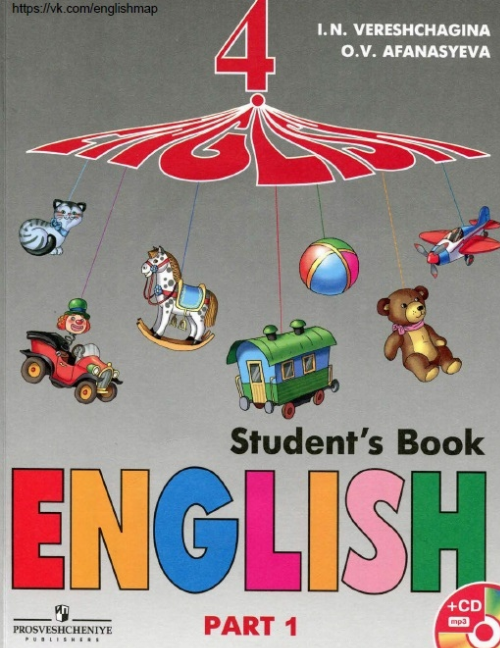
Урок 35 ГДЗ Верещагина Афанасьева 4 класс
Верещагина, Афанасьева
4 класс
Автор
Верещагина, Афанасьева

Урок 35 ГДЗ Верещагина Афанасьева 4 класс

Задача

Приведем выдержку из задания из учебника Верещагина, Афанасьева 4 класс, Просвещение: Lesson 35
Let Us Learn
1 Can you match the words and pictures below?
Example: Number I is a tractor.
a) a taxi
b) a tractor
c) a horse
d) a train
e) a sports car
f) a plane
g) a bus
2 Say when the people arrived at (in) different places.
Sarah
Caroline
The friends
The Browns
I
My granny
My brother
The boys
arrived
at
in
Sheremetyevo Airport
the railway station
the bus stop
France
Moscow
England
the Witch’s castle
the port
on
at
in
the evening.
Monday.
Tuesday.
Thursday.
5.20.
7.40.
12.30.
the morning.
3 Think and say where you can go in summer and how you’ll get there.
Example: Perhaps I can go to the seaside. I’ll travel there by plane.
4 Say how the members of your family felt (didn’t feel) last week. The words can help you.
Example: My granny didn’t feel well last week.
bad, well, fine, happy, comfortable, weak, strong
5 Read the following sentences. You can often hear them at a railway station. What do they mean?
1. A single to London, please.
2. Do I have to change?
3. Do I have to pay for the luggage?
4. Where is the ticket office?/Where is the booking office?
5. How much is a return to Glasgow?
6. Which platform?
6 Look at the word get (get) in the following sentences and guess what it means.
1. Can I get a return?
2. Get into the car!
3. I got to London at 5.
4. I got lost.
7 Learn how to pronounce and use the new words, 58.
8 Try and read the new words.
fire — tired
lip — ship
kiss — miss
match — catch
in — wind
true — through
9 Learn how to read the new words and sentences.
journey — journeys, an interesting journey, a three-day journey, to go on a journey. A journey is a long trip. Are you going on a journey this week?
voyage — voyages, to go on a voyage. A voyage is a journey by sea. You may have a voyage on the river too. What can you tell me about his voyage?
ship — ships, a large ship, on board the ship, to travel by ship. There were many ships in the port. Were there many passengers on board the ship?
wind — winds, a strong wind, a cold wind. There was no wind. A strong wind is blowing.
change: 1) to change clothes, to change plans. After the rain I had to change my clothes. We have changed the time of our meeting.
2) to change trains. We had to change trains in London. — Where do we change? — At the next station, I think.
through, a through train — through trains. You don’t have to change as it’s a through train. Buy a ticket for a through train to Moscow, please. I don’t want to change.
tired, a tired face, a tired smile, a tired look. Are you tired after your long journey? I don’t think he is ever tired.
miss — missed, to miss a bus, to miss a train. I’m afraid to miss my bus. Go to the railway station at 5, then you won’t miss the train to London.
catch — caught — caught, to catch a train, to catch a bus. Harry caught a plane to London and arrived there at 3. Mary always catches a bus to get to the office.
10 Read and give your opinion.
1. Why is a through train comfortable?
2. What is a journey?
3. What is a voyage?
4. Is it more interesting to travel by train, by plane or by sea (by ship)?
5. Have you ever missed a train (plane, bus)?
6. Does your father catch a bus when he goes to work, does he walk or does he go by Metro?
LOOK, READ, REMEMBER!
to get into
to get out of
a car
a taxi
to get on
to get off
a train
a horse
a bus
to take
a train
a plane
a taxi
to catch/to miss
a train
a plane
a bus
11 Complete the sentences using the verbs from the box above.
1. I missed the bus this morning, so I had to catch a taxi.
2. The train arrived at the station and we got on.
3. He hasn’t got much money and can’t take a plane.
4. I had to get from London to Madrid very quickly, so I took a plane.
5. This is my stop. I have to get off.
6. I think I can catch a taxi to take me to the railway station.
7. I got on the bus, because I was late.
Let Us Listen, Read and Learn
12 Listen to the dialogues, 59. Then read them. Choose the one you like best and learn it by heart.
I
A: What bus do I take to the Pushkin Museum?
B: Take bus 79.
A: Is there a bus stop near here?
B: Yes, there is. It’s on the opposite side, just in front of the cinema.
A: How long will it take me to get there?
В: I think about half an hour at this time of the day. There is a lot of traffic now.
A: Look, bus 79 is coming.
B: Oh, thank you.
II
A: Excuse me, how do I get to the centre of the city?
B: Which part of the centre do you want?
A: Red Square.
B: Take a bus or the underground. It’ll take you a long time to walk there.
A: Can you tell me the shortest way to the underground?
B: Go straight ahead. You can’t miss it.
13 Act out the dialogue you have chosen. Don’t forget to change over.
Let Us Read
14 Read the dialogue “A Voyage by Sea” and say why Ann has invited Alice to her place.
A VOYAGE BY SEA
Alice: Hello, Ann. Haven’t seen you for ages!
Ann: Oh, I’ve been on a wonderful journey. I travelled to Odessa and then had a voyage by sea.
Alice: Fantastic! Did you go there with your parents?
Ann: I did. I travelled with mum and dad. Vie left Moscow for Odessa by train.
Alice: Did you like it?
Ann: Yes, indeed. Our journey was very pleasant.
Alice: Did you have to change anywhere?
Ann: Oh, no. We were lucky. It was a through train.
Alice: When did you arrive in Odessa?
Ann: At midnight. We were tired, and we missed the last bus, you see. So we took a taxi and went straight to the hotel.
Alice: Did you stay there long?
Ann: No, we didn’t. In fact, we spent only a night there. In the morning we caught a bus to the port as our ship left at 10.
Alice: Is Odessa a big port?
Ann: It is. You can see a lot of ships from different countries there.
Alice: How was it at sea?
Ann: I think there is nothing like travelling by sea. I liked the sea and the wind, I liked the friendly faces of the people. By the way, there was a swimming pool on board the ship, so I could swim a lot.
Alice: What was the weather like?
Ann: Fantastic! It was very warm, but never too hot.
Alice: Did you take any pictures?
Ann: I certainly did. Come and see me some day. We’ll look through them and I’ll show you the video too.
Alice: Thanks. I will.
Let Us Talk
15 Imagine you are Ann. Tell the class about:
a) your journey to Odessa;
b) your stay in Odessa;
c) your voyage on board the ship.
16 Say what method of travelling you like and why.
Let Us Write
17 Look through the dialogues from Exercise 12 and make up your own dialogues to discuss how to get to different places.
18 Write a few sentences about your last journey (voyage).
19 Write a letter to a friend who is going to visit you. Explain how to get to your house from the nearest railway station or bus stop.
20 Learn how to write the new words.
journey, voyage, skip (on board the skip), wind, change, a through train, to miss, to catch (caught, caught) *Цитирирование части задания со ссылкой на учебник производится исключительно в учебных целях для лучшего понимания разбора решения задания.

Подробный ответ

1. Number I is a tractor.

2. Sarah arrived at Sheremetyevo Airport on Monday.
Caroline arrived at the railway station at 5.20.
The friends arrived at the bus stop on Tuesday.
The Browns arrived in France on Thursday.
I arrived in Moscow in the evening.
My granny arrived in England at 7.40.
My brother arrived at the Witch’s castle at 12.30.
The boys arrived at the port in the morning.

3. Perhaps I can go to the seaside. I’ll travel there by plane.

4. My granny didn’t feel well last week.
My brother felt fine last week.
My mother felt happy last week.
My father felt strong last week.
My sister felt comfortable last week.
I felt well last week.

5. 1) A single to London, please. — One ticket to London, please.
2) Do I have to change? — Do I need to change trains?
3) Do I have to pay for the luggage? — Do I need to pay for my luggage?
4) Where is the ticket office?/Where is the booking office? — Where can I buy a ticket?
5) How much is a return to Glasgow? — How much is a return ticket to Glasgow?
6) Which platform? — Which platform should I go to?

6. 1) get — buy
2) get into — enter
3) got to — arrived in
4) got lost — lost my way

11. 1. I missed the bus this morning, so I had to catch a taxi.
2. The train arrived at the station and we got off.
3. He hasn’t got much money and can’t take a plane.
4. I had to get from London to Madrid very quickly, so I took a plane.
5. This is my stop. I have to get off.
6. I think I can catch a taxi to take me to the railway station.
7. I got on the bus because I was late.

14. Ann invited Alice to her place to show her the pictures and the video from her journey.

15. I travelled to Odessa by train. It was a through train, so we didn’t have to change. We arrived at midnight and went to the hotel by taxi. In the morning we caught a bus to the port. The journey was pleasant and interesting.

16. I like travelling by plane because it is fast and comfortable.

18. Last summer I went to the seaside with my parents. We travelled by train. The journey was long, but interesting. We saw beautiful places and had a good time. I liked the trip very much.

19. Dear Tom,
I’m glad you are going to visit me. When you arrive at the railway station, go out of the station and turn left. Then go straight ahead for about five minutes. You will see a bus stop. Take bus 7 and get off at Green Street. My house is near the stop, at 12 Green Street. I’ll meet you there.
See you soon,
Ann


Общая оценка
4.8 / 5
Другие учебники
Другие предметы