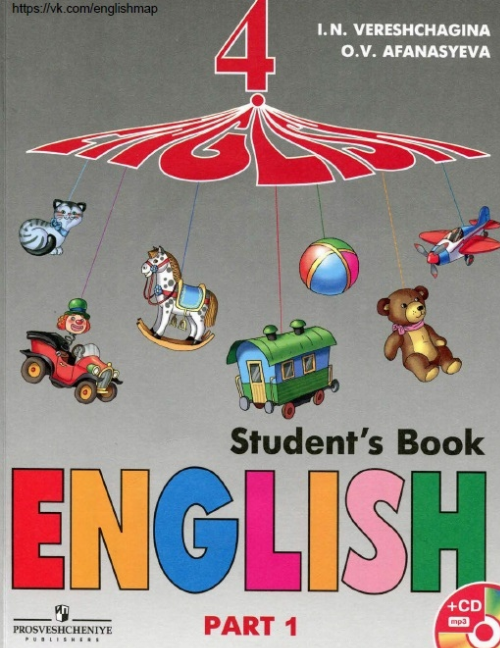
Урок 41 ГДЗ Верещагина Афанасьева 4 класс
Look at the pictures and say when the people were born.
September 5, 1924 March 23, 1933 August 6, 1958 February 18, 1987 January 1, 1999 Mr Black Mrs Bloss Kate Ann John Could you use also instead of too?
- I am proud of my uncle too.
- Nick has a very good collection of badges too.
- The audience was fond of the scenery too.
- My friend is fond of cartoons too.
- She cares for soap operas too.
- The feature film was a success too.
Make up as many true sentences as you can.
The play The cartoon The feature film The picture The documentary film is/was a great success.
Choose the right word from those in brackets.
- My granny often tells fairy tales.
- He says we are late.
- Jim always tells the truth.
- Tell me where you are going.
- I’m sure he can tell a lie.
What Tim says is not true, so Bob corrects him. Say it for Bob.
- I’ve made 20 new models of planes.
- I’ve created a hundred works of art.
- They showed me twenty times on the screen.
- Yesterday you could see me on the screen. I took part in a soap opera.
Think of some sentences using the words mean, tell, say.
Look, read, remember!
kind — unkind; easy — uneasy; happy — unhappy; friendly — unfriendly; important — unimportant; finished — unfinished; comfortable — uncomfortable.
Disagree with Alice using the example.
Example: Alice: My cousin is very kind.
P1: Oh, no. He isn’t. He is unkind. He often makes me cry.
- The book is easy to read.
- The news is important.
- The armchair is comfortable.
- The boys in the yard are very friendly.
- The story is finished.
- Betty’s cousin is happy.
Learn how to pronounce and use the new words, 69.
Look at the pictures and say where the people went yesterday and what they did there.
Diana was not lucky yesterday. She tried to do a lot of things but they were not interesting. Tell your friend about her complaints and change the underlined words in Diana’s sentences:
- The book was not interesting to read.
- The feature film was long and not interesting to watch.
- The TV programme was not interesting at all.
- The cartoon was not funny and not interesting.
- The documentary film was difficult to understand and it was not interesting.
Read and compare.
less
Nick has little coffee in the cup. Ann has less coffee.
less milk; less bread; less water; less juice.
fewer
Nick has few apples on the plate. Ann has fewer apples.
fewer boxes; fewer cups; fewer plates; fewer glasses.
Learn how to read the new words and sentences.
novel — novels, a long novel, an interesting novel, a famous novel, my favourite novel, the novel by L. Tolstoy.
My mother is fond of reading novels.
A novel usually tells us about different places and people like those in real life.
fiction, a work of fiction.
Novels and short stories are works of fiction.
He likes to read works of fiction.
listen — listened, to listen to a concert, to listen to music, to listen to a teacher.
Listen to me, please!
I’m listening to you but I don’t hear anything.
true, a true story, a true friend, a true teacher.
Is the news true?
Everything he told you is true.
boring, a boring book, a boring soap opera, a boring play.
Nobody is fond of reading boring books.
The film was long and boring.
library, a good library, a big library.
Mary went to the school library to take out some books.
whatever.
Take whatever you want to eat.
Whatever he says is very important.
wherever.
I will go wherever you go.
You must find him wherever he is.
Make up as many true sentences as you can.
A) Whatever he/she, the teacher, my mother, they say/says is (not) always, never, usually, often, sometimes true.
B) Wherever he/she, my cousin, my friends is/are, tell him/her/them …
Guess the meanings of the words whoever, whenever and think up some sentences with them.
Listen to the dialogue, 70. Then read and learn it by heart.
Mike: Hello, Nick! Where are you going?
Nick: To the library.
Mike: To the library? I didn’t know you were fond of going there.
Nick: You’re right! I seldom visit libraries. But now I must write a story for my Russian class about a trip to a place I have never been to.
Mike: Did your teacher tell you to go to the library?
Nick: No, he didn’t. He asked us to use our imagination, but I can’t.
Mike: So, what are you going to do?
Nick: To look through some books. That’s why I’m going to the library.
Mike: Good luck to you!
Listen to the poem “A Book”, 71. Read and learn it.
A BOOK
By Adelaide Love
A book, I think, is very like
A little golden door,
That takes me into places
Where I’ve never been before.It leads me into fairyland
Or countries strange and far.
And, best of all, the golden door
Always stands ajar.Would you like to know what Helen’s hobby is? Then read her letter to Mary and say what it is.
25 Station Road
Los Angeles, California, 90023
June 23, 2019Dear Mary,
I’m sorry I haven’t written for so long. I was very busy last month but now school is over and I can write a letter to you. Things are going well for me. I’m learning a lot in my French class and I feel better about speaking French now. Last night I think I even spoke French when I was sleeping! But I still have some problems, you know.
In your last letter you asked me to write a few words about my hobbies. Well, I’m fond of reading. I’ve got a very good collection of books at home and I’m really proud of it. I can’t say my collection is thematic. I’ve got different books: novels, books about animals, books about different countries and lands. I think many people can say that their hobby is reading and I am sure it is easy to explain why. We learn a lot when we read books. Whatever you do, wherever you go, you’ll always need a true friend and a good teacher. This friend and the teacher for you is the book. I’ve already read many books. Some of them are very interesting indeed; some are boring. Some of them are easy to read, and some are difficult to understand. But I usually read all of them to the very end. I often go to the library and take out books there too. My favourite books are about animals.
Now I really think I must finish. Give my love to your parents.
Love,
HelenSay: true, false or don’t know.
- Mary is seventeen years old.
- Helen is learning English.
- Helen has written a long letter to Mary.
- Helen has no fiction in her library at home.
- Books can’t teach people anything.
- Some books are difficult to understand.
- Helen reads all books to the very end.
Find out who in your class is fond of reading books. Tell him/her about Helen’s hobby.
Have you got a library at home? Are there many books in it? What books have you got? Have you read all of them? Do you always read books up to the end?
What is your favourite book? Tell your classmates about it.
Write the opposites.
kind, comfortable, happy, friendly, important.
Write sentences with the words from “Look, Read, Remember!” (p. 74).
Paul has less furniture in his room than Nick. Write 5–6 sentences about his room.
Example: Paul has fewer bookcases than Nick.
Kate has a lot of food in her kitchen. Ann has less food. Write 5–6 sentences about Ann.
Example: Ann has less cheese than Kate.
Learn how to write these words.
novel, fiction, to listen (to), true, boring, library, whatever, wherever, whoever, whenever, to use one’s imagination, up to the end.
1. Mr Black was born on September 5, 1924. Mrs Bloss was born on March 23, 1933. Kate was born on August 6, 1958. Ann was born on February 18, 1987. John was born on January 1, 1999.
2. I am proud of my uncle also. Nick has a very good collection of badges also. The audience was fond of the scenery also. My friend is fond of cartoons also. She cares for soap operas also. The feature film was a success also.
3. The play was a great success. The cartoon was a great success. The feature film was a great success. The picture was a great success. The documentary film was a great success.
4. 1) tells 2) says 3) tells 4) tell 5) tell
5. 1) I’ve made twenty new models of planes. 2) I’ve made a hundred works of art. 3) They showed me twenty times on the screen. 4) Yesterday you could see me on the screen. I took part in a soap opera.
7. The book isn’t easy to read. It is uneasy to read.
The news isn’t important. It is unimportant.
The armchair isn’t comfortable. It is uncomfortable.
The boys in the yard aren’t very friendly. They are unfriendly.
The story isn’t finished. It is unfinished.
Betty’s cousin isn’t happy. He is unhappy.
10. 1) The book was boring to read. 2) The feature film was long and boring to watch. 3) The TV programme was boring at all. 4) The cartoon was not funny and boring. 5) The documentary film was difficult to understand and it was boring.
13. A) Whatever he says is always true. Whatever the teacher says is usually true. Whatever my mother says is often true. Whatever they say is sometimes true.
B) Wherever he is, tell him … Wherever she is, tell her … Wherever my cousin is, tell him … Wherever my friends are, tell them …
18. 1) don’t know 2) false 3) true 4) false 5) false 6) true 7) true
22. kind — unkind; comfortable — uncomfortable; happy — unhappy; friendly — unfriendly; important — unimportant
24. Paul has fewer bookcases than Nick. Paul has fewer chairs than Nick. Paul has fewer tables than Nick. Paul has fewer cupboards than Nick. Paul has less furniture than Nick.
25. Ann has less cheese than Kate. Ann has less bread than Kate. Ann has less milk than Kate. Ann has less juice than Kate. Ann has fewer apples than Kate. Ann has fewer oranges than Kate.