1-11 класс
  • 1-11 класс
  • 1 класс
  • 2 класс
  • 3 класс
  • 4 класс
  • 5 класс
  • 6 класс
  • 7 класс
  • 8 класс
  • 9 класс
  • 10 класс
  • 11 класс
Выберите класс
Предметы
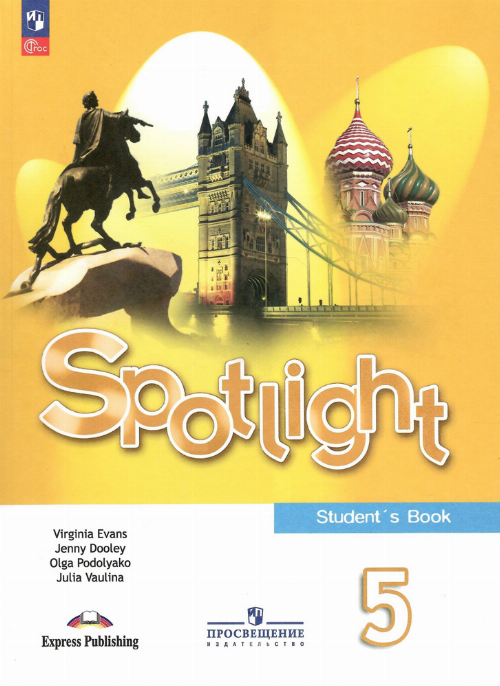
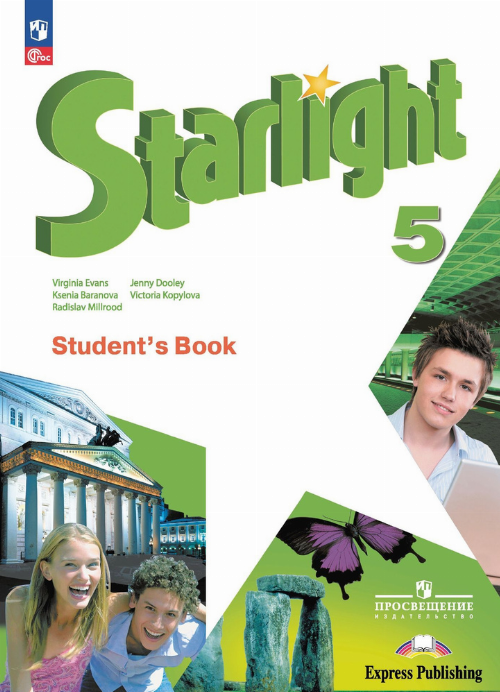
Starlight
Стр.82-83 Модуль 5 ГДЗ Starlight Баранова 5 класс
Баранова, Дули, Копылова
5 класс
Автор
Баранова, Дули, Копылова

Стр.82-83 Модуль 5 ГДЗ Starlight Баранова 5 класс

Задача

Приведем выдержку из задания из учебника Баранова, Дули, Копылова 5 класс, Просвещение: 5b Ancient Civilisations
Ancient Egyptians
Ancient Egyptians lived along the banks of the River Nile in northeast Africa. Pharaohs ruled this great and powerful empire for more than 2,500 years.
The ancient Egyptians lived in houses made of mud bricks, but they also built houses and gigantic pyramids from stone. They worked as farmers and artists. They hunted for animals and went fishing on the River Nile. They also had boats and transported food and other goods along the river. In their free time they played music or board games. Only wealthy boys could attend school. They studied hieroglyphics’. Ancient Egypt had a great civilisation which many people still study and admire today.
Listening & Reading
1 Listen to and say. Say the phrases (1-10) in your language.
1 ruled
2 played board games
3 played music
4 fished
5 worked as famers artists
6 had boats and transported goods
7 could build pyramids
8 lived in houses made of mud bricks
9 hunted
10 attended school
2 The pictures show the lifestyle of the ancient Egyptians. Which sentences below are true about them? Listen to and read the text to find out.
1 They were farmers.
2 They fished on the River Nile.
3 They played football.
4 Only boys attended school.
Grammar
Could (past simple of can)
3 a) Read the table. Find examples in the text.
AFFIRMATIVE/NEGATIVE
I/You/He, etc. could walk at the age of five.
I/You/He, etc. couldn’t talk at the age of two.
INTERROGATIVE 8 SHORT ANSWERS
Could I/You/he, etc. write at the age of five?
Yes, I/You/he, etc. could./ No, I/You/he, etc. couldn’t
b) Use the text to complete the sentences with hod. didn’t hove, could or couldn’t.
1 Ancient Egyptians could build huge pyramids.
2 They had boats.
3 They could transport things by boat.
4 They didn’t have blocks of flats.
5 They couldn’t travel by plane.
6 They didn’t have cars.
Listening
4 Listen and find what the ancient Romans could do. Write complete sentences.
1 play football
2 swim
3 read
4 write
5 play the piano
6 ride bikes
The ancient Romans could play football.
5 What about you? Use the verbs in Ex. 4 to ask and answer questions.
A: Could you play football at the age of six?
B: Yes. I could./No. I couldn’t.
Past simple
(regular/irregular verbs)
6 a) Read the table. How do we form the affirmative/negative of the past simple?
AFFIRMATIVE
I/You/He, etc. played tennis/swam yesterday.
NEGATIVE
I/You/He, etc. didn’t play tennis/didn’t swim yesterday.
INTERROGATIVE
Did I/you/he, etc. play tennis/swim yesterday?
SHORT ANSWERS
Yes. I/you/he, etc did /No. I/you/he. Etc didn’t
We use the past simple for actions which happened at a certain time in the past. He phoned his friend last Monday.
Irregular verbs have irregular past forms. See list at the back of the book.
Time expressions: last week/month/year, etc., a week/ago days ago, yesterday afternoon/evening, etc.
b) Read the theory box. Find examples in the text.
Spelling rules
verb + -ed -> start — started
verb ending in e + -d -> dance — danced
verb ending in consonant + -y -ied -> carry — carried
verb ending in one stressed vowel between two consonants double the last consonant + -ed -> travel — travelled
Pronunciation:
c) Now write the past simple forms of the verbs below. Copy the table. Listen and tick the correct boxes. Listen again and repeat.
1 arrive
2 exist
3 play
4 design
5 ask
6 hurry
7 want
8 stop
9 travel
10 discover
7 a) Use the past forms of the verbs work, live, discover, travel, design, play to complete the sentences.
The Vikings
1 The Vikings lived in Scandinavia.
2 They worked as traders.
3 They travelled to England in the 8th century.
4 They designed ships to sail fast.
5 Erik the Red discovered Greenland in 981 AD.
6 They played games, music and sports.
b) Correct the sentences.
1 The Vikings lived in Africa. No. The Vikings didn’t live in Africa. They lived in Scandinavia.
2 They worked as sailors. No. They didn’t work as sailors. They worked as traders.
3 They designed aeroplanes. No. They didn’t design aeroplanes. They designed ships.
4 Erik the Red discovered China in 981 AD. No. Erik the Red didn’t discover China. He discovered Greenland.
8 a) Read the table. How do we form the interrogative form of the past simple?
b) Use the phrases to ask and answer questions about the ancient Egyptians.
live on boats?
work as fanners?
fish on the river?
sail boats?
play music?
play football?
girls attend school?
A: Did they live on boats?
B: No, they didn’t.
Speaking & Writing
9 Use the pictures on p. 82 to tell your partner about the ancient Egyptians.
10 ICT Collect information about the Aztecs. Write six T/F sentences about them. Exchange your sentences with another group. You can do some research on the Internet using these key words: the Aztecs.
*Цитирирование части задания со ссылкой на учебник производится исключительно в учебных целях для лучшего понимания разбора решения задания.

Подробный ответ

1. ruled — правили; played board games — играли в настольные игры; played music — играли музыку; fished — ловили рыбу; worked as farmers/artists — работали фермерами/художниками; had boats and transported goods — имели лодки и перевозили товары; could build pyramids — могли строить пирамиды; lived in houses made of mud bricks — жили в домах из глиняных кирпичей; hunted — охотились; attended school — ходили в школу.

2. True sentences: 1, 2, 4.

3b.

  1. Ancient Egyptians could build huge pyramids.
  2. They had boats.
  3. They could transport things by boat.
  4. They didn’t have blocks of flats.
  5. They couldn’t travel by plane.
  6. They didn’t have cars.

4.

  1. The ancient Romans could play football.
  2. The ancient Romans could swim.
  3. The ancient Romans could read.
  4. The ancient Romans could write.
  5. The ancient Romans could play the piano.
  6. The ancient Romans could ride bikes.

5.

A: Could you play football at the age of six?
B: Yes, I could.

6c.

  1. arrived
  2. existed
  3. played
  4. designed
  5. asked
  6. hurried
  7. wanted
  8. stopped
  9. travelled
  10. discovered

7a.

  1. The Vikings lived in Scandinavia.
  2. They worked as traders.
  3. They travelled to England in the 8th century.
  4. They designed ships to sail fast.
  5. Erik the Red discovered Greenland in 981 AD.
  6. They played games, music and sports.

7b.

  1. No. The Vikings didn’t live in Africa. They lived in Scandinavia.
  2. No. They didn’t work as sailors. They worked as traders.
  3. No. They didn’t design aeroplanes. They designed ships.
  4. No. Erik the Red didn’t discover China in 981 AD. He discovered Greenland.

8b.

  1. Did they live on boats? — No, they didn’t.
  2. Did they work as farmers? — Yes, they did.
  3. Did they fish on the river? — Yes, they did.
  4. Did they sail boats? — Yes, they did.
  5. Did they play music? — Yes, they did.
  6. Did they play football? — No, they didn’t.
  7. Did girls attend school? — No, they didn’t.

9. The ancient Egyptians lived along the banks of the River Nile. They were farmers and artists. They fished on the river and hunted animals. They had boats and transported food and other goods. In their free time, they played music or board games. Only wealthy boys attended school.

10. Sample answer:

1. The Aztecs lived in Mexico.
2. They built big cities.
3. They were good farmers.
4. They had temples.
5. They played games.
6. They did not use cars.


Общая оценка
4.3 / 5
Другие учебники
Другие предметы