

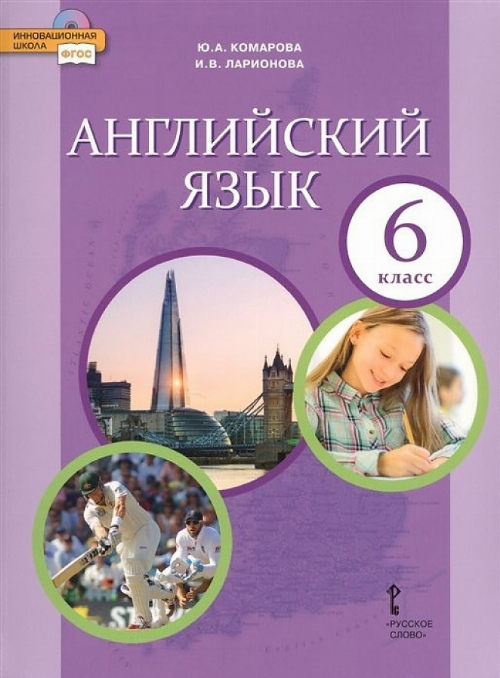
Стр.102-103 Рабочая тетрадь ГДЗ Комарова Ларионова 6 класс
Комарова, Ларионова
6 класс
Класс
6
Предмет
Английский
Автор
Комарова, Ларионова
Стр.102-103 Рабочая тетрадь ГДЗ Комарова Ларионова 6 класс
Задача
Grammar exercises
- Complete the sentences in the present simple with the words in brackets.
- They ___ Spanish. They ___ Polish. (speak / not speak)
- Sue ___ her MP3 player. She ___ the radio. (listen to / not listen to)
- David ___ friends at the weekend. He ___ to school. (meet / not go)
- We ___ dinner at 7.00 pm. We ___ dinner at 8.00 pm. (have / not have)
- I ___ TV in the evening. I ___ computer games. (watch / not play)
- Gina’s mum ___ her room. Gina ___ it. (tidy / not tidy)
- Complete the questions and short answers with do, does, don’t and doesn’t.
- Circle the correct words.
- I don’t go to school (at) / in the weekend.
- Julie has a shower every / at morning.
- They do their homework in / at the evening.
- I get up late on / in Sunday mornings.
- My dad comes home from work at / on six o’clock.
- We don’t go swimming on / in Mondays.
- Pam sleeps for seven hours at / in night.
- My brothers play football with their friends at / every Saturday.
- Correct the errors.
- My cousin got a new cat.
- In her free time my sister watch cartoons on TV.
- Oliver and Mark plays computer games all the time.
- My aunt doesn’t has a computer.
- My mother go to work in the afternoon.
- My father washs the car on Sundays.
- Natalia studys languages at school.
- Lucy don’t live in England.
- Put the adverbs in brackets in the correct places.
- I play golf. (never)
- Dan meets me at the cafe on Saturdays. (sometimes)
- I see her in the supermarket. (often)
- Tom and Marta are late for school. (usually)
- Kate has coffee for breakfast. (always)
- They go to the cinema. (don’t often)
- You aren’t at school at the weekend. (usually)
- We see our cousins. (don’t often)
- Complete the sentences with words from the box: do, don’t, be, finish, go, don’t talk, tidy.
- ___ your dinner!
- ___ late!
- ___ to bed.
- ___ your homework.
- ___ in the classroom.
- ___ your room.
Подробный ответ
1. Complete the sentences in the present simple with the words in brackets.
- They speak Spanish. They don’t speak Polish.
- Sue listens to her MP3 player. She doesn’t listen to the radio.
- David meets friends at the weekend. He doesn’t go to school.
- We have dinner at 7.00 pm. We don’t have dinner at 8.00 pm.
- I watch TV in the evening. I don’t play computer games.
- Gina’s mum tidies her room. Gina doesn’t tidy it.
2. Complete the questions and short answers with do, does, don’t and doesn’t.
- Does Sue listen to her MP3 player? — Yes, she does.
- Do they speak Polish? — No, they don’t.
- Does David go to school? — No, he doesn’t.
- Do we have dinner at 8.00 pm? — No, we don’t.
- Do you play computer games? — Yes, I do.
- Does Gina’s mum tidy her room? — Yes, she does.
3. Circle the correct words.
- at
- every
- in
- on
- at
- on
- at
- every
4. Correct the errors.
- My cousin has got a new cat.
- In her free time my sister watches cartoons on TV.
- Oliver and Mark play computer games all the time.
- My aunt doesn’t have a computer.
- My mother goes to work in the afternoon.
- My father washes the car on Sundays.
- Natalia studies languages at school.
- Lucy doesn’t live in England.
5. Put the adverbs in brackets in the correct places.
- I never play golf.
- Dan sometimes meets me at the cafe on Saturdays.
- I often see her in the supermarket.
- Tom and Marta usually are late for school.
- Kate always has coffee for breakfast.
- They don’t often go to the cinema.
- You aren’t usually at school at the weekend.
- We don’t often see our cousins.
6. Complete the sentences with words from the box.
- Finish your dinner!
- Don’t be late!
- Go to bed.
- Do your homework.
- Don’t talk in the classroom.
- Tidy your room.
Другие учебники
Другие предметы