1-11 класс
  • 1-11 класс
  • 1 класс
  • 2 класс
  • 3 класс
  • 4 класс
  • 5 класс
  • 6 класс
  • 7 класс
  • 8 класс
  • 9 класс
  • 10 класс
  • 11 класс
Выберите класс
Предметы
Комарова
Стр.19 Unit 1 Мировые языки ГДЗ Комарова Ларионова 6 класс
Комарова, Ларионова
6 класс
Автор
Комарова, Ларионова

Стр.19 Unit 1 Мировые языки ГДЗ Комарова Ларионова 6 класс

Задача

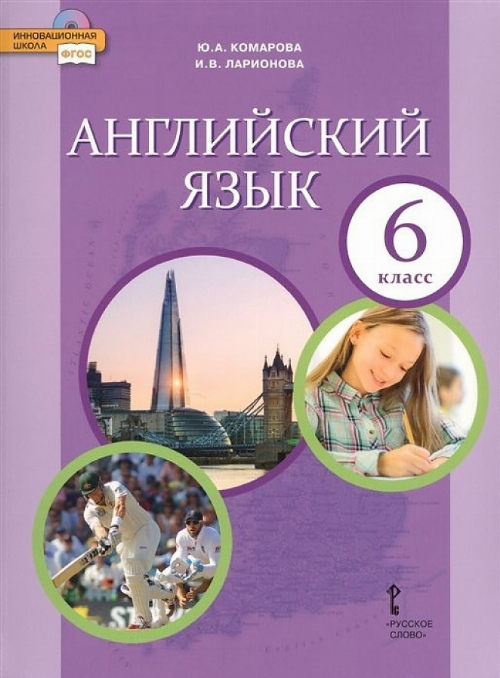
Приведем выдержку из задания из учебника Комарова, Ларионова 6 класс, Русское слово: Grammar
Subject pronouns
singular
I
you
he / she / it
plural
we
you
they
In English a subject or subject pronoun is always necessary.
David is French. / He is French. / Is French.
You is singular and plural, о He is for a man / boy, she is for a woman / girl and it is for an object / animal.
be: present simple
affirmative
I’m (am)
You’re (are)
He / She / It’s (is)
We’re (are)
You’re (are)
They’re (are)
American.
from Spain.
12.
negative
I’m not (am not)
You aren’t (are not)
He/She/it isn’t (is not)
We aren’t (are not)
You aren’t (are not)
They aren’t (are not)
British.
from England.
11
Questions
Am I
Are you
Is he / she / it
Are we / you / they
Russian?
from Canada?
short answers
Yes, I am. / No, I’m not.
Yes, you are. / No, you aren’t.
Yes, he/she/it is. / No, he/she/it isn’t.
Yes, we/you/they are. / No, we/you/they aren’t.
We use the verb be to describe a person nationality, age, etc.
We usually use short forms in conversation.
The word order is different in affirmative sentences and questions.
They are Polish. Are they Polish?
Question words
What’s your name?
Where are you from?
When’s your birthday?
How are you?
How old are you?
Who’s she?
My name’s Maria.
I’m from Russia.
It’s in August.
I’m fine.
I’m 12.
She’s my teacher.
Possessive adjectives and possessive
singular
my
your
his/her/its
plural
our
your
their
His name is Anton. Her name is Rita.
We use his for boys / men and her for girls / women.
Your is singular and plural.
My teacher’s name is Ms Smith.
My friends’ names are Emma and Jack.
We use’s after a singular noun / name.
We use s’ after a plural noun / names.
*Цитирирование части задания со ссылкой на учебник производится исключительно в учебных целях для лучшего понимания разбора решения задания.

Подробный ответ

Приведём основные правила по теме Subject pronouns и be в Present Simple.

ЛицоМестоимениеГлагол be
1-е лицо ед. ч.II’m / I am
2-е лицо ед. ч. и мн. ч.youyou’re / you are
3-е лицо ед. ч.he / she / ithe’s / she’s / it’s
1-е лицо мн. ч.wewe’re / we are
3-е лицо мн. ч.theythey’re / they are

Утвердительные предложения: I’m American. / He’s from Spain.

Отрицательные предложения: I’m not British. / They aren’t from England.

Вопросы: Am I Russian? / Are they Polish?

Краткие ответы:

  • Yes, I am. / No, I’m not.
  • Yes, you are. / No, you aren’t.
  • Yes, he/she/it is. / No, he/she/it isn’t.
  • Yes, we/you/they are. / No, we/you/they aren’t.

Притяжательные прилагательные:

  • my — мой, моя, моё
  • your — твой, ваш
  • his — его
  • her — её
  • its — его, её (для предметов и животных)
  • our — наш
  • their — их

Примеры: His name is Anton. Her name is Rita. My friends’ names are Emma and Jack.


Общая оценка
4.4 / 5
Другие учебники
Другие предметы