1-11 класс
  • 1-11 класс
  • 1 класс
  • 2 класс
  • 3 класс
  • 4 класс
  • 5 класс
  • 6 класс
  • 7 класс
  • 8 класс
  • 9 класс
  • 10 класс
  • 11 класс
Выберите класс
Предметы
Комарова
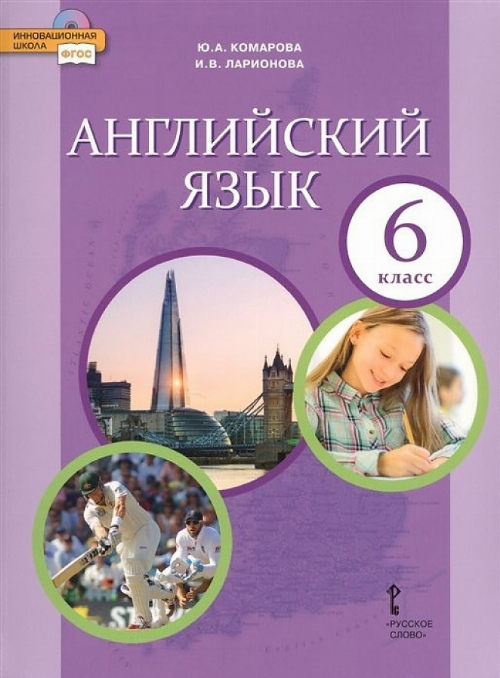
Стр.43 Unit 3 Свободное время ГДЗ Комарова Ларионова 6 класс
Комарова, Ларионова
6 класс
Автор
Комарова, Ларионова

Стр.43 Unit 3 Свободное время ГДЗ Комарова Ларионова 6 класс

Задача

Приведем выдержку из задания из учебника Комарова, Ларионова 6 класс, Русское слово: Grammar
Resent simple
affirmative
I play
You play
He / She / It plays
Wе / You / They play
football.
Negative
I don’t play
You don’t play
He / She / It doesn’t play
We / You / They don’t play
basketball.
Questions
Do I play
Do you play
Does he / she / it play
Do we / you / they play
Computer games?
Short answers
Yes, I do. / No, 1 don’t.
Yes, you do. / No, you don’t.
Yes, he/she/it does. / No, he / she / it doesn’t.
Yes, we/you/they do. / No, we / you / they don’t.
We use the present simple to talk about habits and routines.
In the third person singular (he / she / it), we add –s to the verb.
In the negative, we use doesn’t with the third person singular, о We always need a subject, she lives in the USA.
Time expressions
at + time: the weekend, night, one o’clock
on + day: Monday, Tuesday, Sundays, Saturday afternoon
in + part of the day: the morning, the evening, the afternoon
every: week, Thursday, day, month, night
We don’t use a plural with every.
Third person spelling rules
We usually add –s to the verb.
Play ->plays like -> likes
With verbs that end in a consonant + y, we omit the у and addies.
Study -> studies tidy -> tidies
With verbs that end in ch, sh, ss, x, or o, we add es.
Watch -> watches
go -> goes
wash -> washes
pass -> passes
Irregular verbs change spelling.
Have -> has
be -> is
Adverbs of frequency
0% 100%
never sometimes often usually always
We use adverbs of frequency to say how often we do something,
Adverbs of frequency usually go before the verb.
We never have lunch at school.
Adverbs of frequency go after be.
Our teacher is never late.
Imperatives
affirmative
Press the green button.
Listen.
Negative
Don’t press the red button.
Don’t shout!
We use the imperative to give instructions and orders.
In the negative we use don’t.
The form is the same in the singular and plural.
*Цитирирование части задания со ссылкой на учебник производится исключительно в учебных целях для лучшего понимания разбора решения задания.

Подробный ответ

Grammar

Present Simple

Affirmative:
I play
You play
He / She / It plays
We / You / They play

Negative:
I don’t play
You don’t play
He / She / It doesn’t play
We / You / They don’t play

Questions:
Do I play?
Do you play?
Does he / she / it play?
Do we / you / they play?

Short answers:
Yes, I do. / No, I don’t.
Yes, you do. / No, you don’t.
Yes, he / she / it does. / No, he / she / it doesn’t.
Yes, we / you / they do. / No, we / you / they don’t.

We use the Present Simple to talk about habits and routines.

In the third person singular (he / she / it), we add -s to the verb.

In the negative, we use doesn’t with the third person singular.

We always need a subject: She lives in the USA.

Time expressions:
at + time: the weekend, night, one o’clock
on + day: Monday, Tuesday, Sundays, Saturday afternoon
in + part of the day: the morning, the evening, the afternoon
every: week, Thursday, day, month, night

We don’t use a plural with every.

Third person spelling rules:

We usually add -s to the verb:
play → plays
like → likes

With verbs that end in a consonant + y, we omit the y and add -ies:
study → studies
tidy → tidies

With verbs that end in ch, sh, ss, x, or o, we add -es:
watch → watches
go → goes
wash → washes
pass → passes

Irregular verbs change spelling:
have → has
be → is

Adverbs of frequency:
never — sometimes — often — usually — always

We use adverbs of frequency to say how often we do something.

Adverbs of frequency usually go before the verb:
We never have lunch at school.

Adverbs of frequency go after be:
Our teacher is never late.

Imperatives

Affirmative:
Press the green button.
Listen.

Negative:
Don’t press the red button.
Don’t shout!

We use the imperative to give instructions and orders.

In the negative we use don’t.

The form is the same in the singular and plural.


Общая оценка
3.6 / 5
Другие учебники
Другие предметы