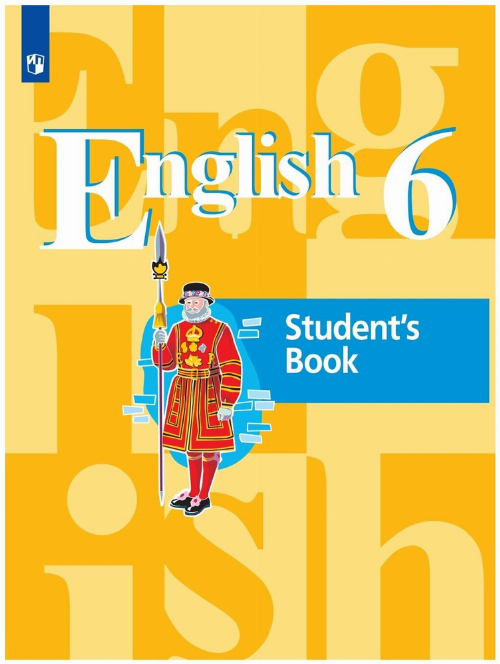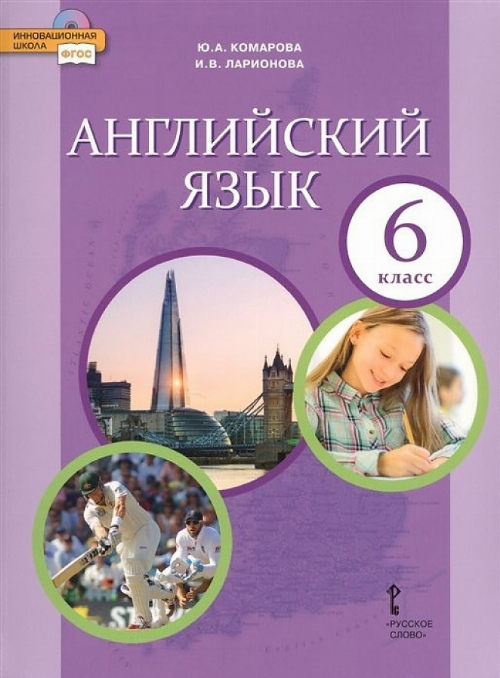
Стр.99 Unit 7 Взглянуть в прошлое ГДЗ Комарова Ларионова 6 класс
Приведем выдержку из задания из учебника Комарова, Ларионова 6 класс, Русское слово: be: past simple affirmative I/He/She/It We/You/They was were negative I/He/She/It We/You/They wasn’t weren’t questions Was Were I/he/she/it…? we/you/they…? short answers Yes, I/ he / she / it was No, we / you / they weren’t. We use was / wasn’t with I, he, she and it. We use were / weren’t with you, we and they. there was/there were singular There was / wasn’t a castle. Was there a castle? Yes, there was. / No, there wasn’t. plural There were / weren’t two castles. Were there two castles? Yes, there were. / No, there weren’t. Past simple affirmative We use the past simple to talk about events in the past. All persons are the same. I / You / He / She / It / We / They studied English last year. spelling rules most regular verbs: add -ed regular verbs ending in -e, add -d regular verbs ending in consonant + -y: change -y to -i and add -ed regular verbs ending in consonant, vowel, consonant: double the final consonant started -> started like -> liked carry -> carried stop -> stopped For irregular verbs, see Irregular verbs list, Student’s Book page 160. The pronunciation of the past simple of regular verbs changes, depending on the spelling of the verb: [t] when the verb ends in an unvoiced sound, the past simple is pronounced [t]: watch -> watched [d] when the verb ends in a voiced sound, the past simple is pronounced [d]: play -> played [id] when the verb ends in t or d, the past simple is pronounced [id]: want -> wanted *Цитирирование части задания со ссылкой на учебник производится исключительно в учебных целях для лучшего понимания разбора решения задания.
be: past simple
| affirmative | I / He / She / It was We / You / They were |
| negative | I / He / She / It wasn’t We / You / They weren’t |
| questions | Was I / he / she / it…? Were we / you / they…? |
| short answers | Yes, I / he / she / it was. No, we / you / they weren’t. |
We use was / wasn’t with I, he, she and it. We use were / weren’t with you, we and they.
there was / there were
| singular | There was / wasn’t a castle. Was there a castle? Yes, there was. / No, there wasn’t. |
| plural | There were / weren’t two castles. Were there two castles? Yes, there were. / No, there weren’t. |
Past simple affirmative
We use the past simple to talk about events in the past. All persons are the same.
I / You / He / She / It / We / They studied English last year.
Spelling rules
- Most regular verbs: add -ed.
- Regular verbs ending in -e: add -d.
- Regular verbs ending in consonant + -y: change -y to -i and add -ed.
- Regular verbs ending in consonant, vowel, consonant: double the final consonant.
Examples: started, liked, carried, stopped.
For irregular verbs, see the irregular verbs list.
Pronunciation of regular past simple verbs
- [t] when the verb ends in an unvoiced sound: watched
- [d] when the verb ends in a voiced sound: played
- [id] when the verb ends in t or d: wanted