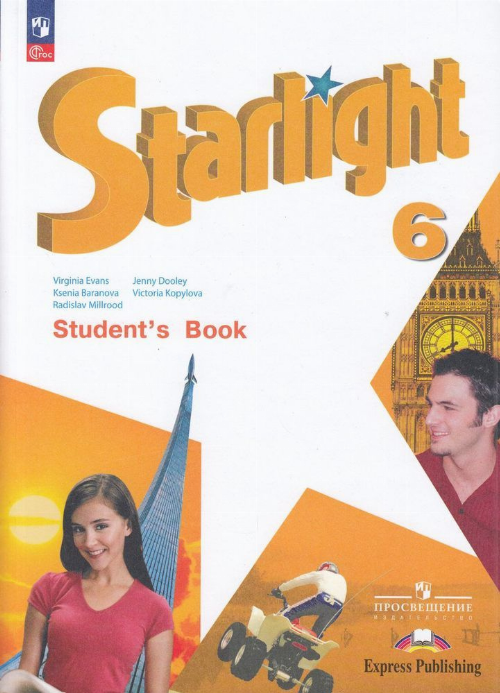
4 Grammar Practice Рабочая тетрадь ГДЗ Spotlight 6 класс
4 Grammar Practice
Put the verbs in the correct column.
go; spend; study; wash; do; walk; begin; try; tidy; play; fly; watch
-s -es -ies Fill in do, does, don’t or doesn’t.
- A: Do you live in St Petersburg?
- A: Does he wake up early in the morning?
- A: Do they like football?
- A: Does she have lunch at school?
- A: Do they watch TV in the evenings?
- A: Does he eat pizza?
- A: Does she go to bed late?
- A: Do you play tennis?
Complete the exchanges with the correct reflexive pronoun.
- A: Does your mum cook breakfast on Sunday?
- A: Did your brother and you go fishing with your dad on summer holidays?
- A: Don’t help Paul with his project. He can do it _____. Can you make yours by _____?
- A: What’s wrong? Why is Mary crying? She’s just cut _____ in the kitchen. The knife that she used was very sharp.
- A: Alice, the pancakes are so tasty! Help _____!
- A: Why are all the students silent at the moment? The teacher told them to read the text to _____.
Put the verbs in brackets in the present simple.
- She _____ her free time with her friends. They often _____ to the cinema. (spend, go)
- Tony _____ at weekends. He _____ his grandparents in the countryside. (not work, visit)
- What _____ he _____ for a living? He _____ in a bank. (do, work)
- Sandra _____ burgers. She _____ pizza. (not like, prefer)
Put the verbs and the adverbs of frequency in the correct form and position.
- Kate _____ board games. (play/never)
- I _____ wind-surfing at the weekend. (go/often)
- John _____ his friends on Sundays. (meet/rarely)
- Meg’s father _____ fast. (drive/always)
- My friends and I _____ darts. (play/sometimes)
- Sam _____ with his brothers. (argue/often)
- It _____ about the computer games. (be/usually)
- I _____ hard at school, but I have a good time as well. (work/always)
How often do you do the following? Make sentences about yourself. Use adverbs of frequency.
- am late for school
- tidy my room
- play cards with my friends
- wake up early
- cook
- go fishing
В старой РТ
Put the adverbs of frequency into the correct position in the sentence.
- Kate plays board games. (never)
- My friends and I play darts. (sometimes)
- I go windsurfing at the weekend. (often)
- John meets his friends on Sundays. (rarely)
- Meg’s father drives fast. (always)
Fill in the gaps with at, on, or in.
- Peter likes staying at home _____ rainy days.
- You can call me _____ three o’clock.
- Linda has an English lesson _____ Friday.
- The boat leaves _____ five minutes.
- Tom’s birthday was _____ Monday.
- See you _____ a few days.
- We can go to the beach _____ Saturday.
- The farmer wakes up _____ 5 o’clock.
- John isn’t here _____ the moment.
- I was born _____ May 13th.
Rewrite these sentences in their question form.
- I always arrive at work early.
- Tim usually eats breakfast.
- We often see Claire.
- It rains a lot in the winter.
- Linda lives in London.
- The banks usually open at 9:30.
- Mike’s father drives fast.
- He often plays the piano.
Complete the sentences with don’t/doesn’t and one of these verbs.
go; read; use; wear
- I buy a newspaper every day but sometimes I _____ it.
- Paul has a car but he _____ it very often.
- They like films but they _____ to the cinema very often.
- Amanda is married but she _____ a ring.
Match the questions to the answers.
- Do you take the bus to school?
- Do you often wake up early?
- What do you do in the evenings?
- How often do you go to the cinema?
- Do you have breakfast in the morning?
- a) Four times a week.
- b) I watch a film once a week.
- c) I always have some milk.
- d) I always do my homework.
- e) Yes, at seven o’clock.
- What’s the English for: распорядок дня, делать уроки, принимать душ, помогать по дому, научная фантастика, скучная комедия, пойти в поход, карманные деньги, мобильный телефон, волнующие новости?
- Give the English equivalents. Mind the prepositions: просыпаться, слушать музыку, смотреть по телевизору, надевать джинсы, отправляться в клуб, устанавливать палатку, играть в футбол, ложиться спать.
- Translate the situations into English:
- Маше двенадцать лет. Она красивая стройная девочка с длинными вьющимися тёмными волосами. Маша учится в школе, в шестом классе и работает. Маша — маленькая актриса. Вы можете её увидеть в программе «Ералаш» и в фильме «Если завтра в поход». Это очень интересный фильм. Маша теперь любит ходить в поход. Она умеет ставить палатку и разводить костёр.
- Каждый день Маша встаёт рано, в семь часов утра, и завтракает. Затем она одевается и идёт в школу. После школы она делает уроки, иногда помогает родителям по дому. Её увлечение — танцы. Она часто приглашает к себе своих друзей. Они приходят потанцевать, посмотреть телевизор или видео, послушать современную музыку.
- Но когда у Маши новая роль, она не ходит в школу и не видит своих лучших друзей. Маша учит текст новой роли. Она работает.
- Translate the dialogue:
— Маша, ты свободна сегодня в 5 часов?
— Думаю, да. А что?
— Пойдём в кино. В кинотеатре «Россия» новая комедия.
— Замечательно. Я очень люблю комедии, особенно комедии ситуаций.
— Тогда встретимся в 4.30 у автобусной остановки.
— Хорошо, до встречи.
- Translate the situations into English:
1.
| -s | -es | -ies |
|---|---|---|
| goes, spends, studies, walks, does, plays, watches | washes, begins | tries, tidies, flies |
2.
- A: Do you live in St Petersburg?
B: No, I don’t. - A: Does he wake up early in the morning?
B: Yes, he does. - A: Do they like football?
B: No, they don’t. - A: Does she have lunch at school?
B: Yes, she does. - A: Do they watch TV in the evenings?
B: Yes, they do. - A: Does he eat pizza?
B: No, he doesn’t. - A: Does she go to bed late?
B: No, she doesn’t. - A: Do you play tennis?
B: Yes, I do.
3.
- My dad and I do it ourselves.
- We sometimes did it by ourselves.
- He can do it himself. Can you make yours by yourself?
- She’s just cut herself in the kitchen.
- Help yourself!
- The teacher told them to read the text to themselves.
4.
- She spends her free time with her friends. They often go to the cinema.
- Tony doesn’t work at weekends. He visits his grandparents in the countryside.
- What does he do for a living? He works in a bank.
- Sandra doesn’t like burgers. She prefers pizza.
5.
- Kate never plays board games.
- My friends and I sometimes play darts.
- I often go wind-surfing at the weekend.
- John rarely meets his friends on Sundays.
- Meg’s father always drives fast.
6.
- Peter likes staying at home on rainy days.
- You can call me at three o’clock.
- Linda has an English lesson on Friday.
- The boat leaves in five minutes.
- Tom’s birthday was on Monday.
- See you in a few days.
- We can go to the beach on Saturday.
- The farmer wakes up at 5 o’clock.
- John isn’t here at the moment.
- I was born on May 13th.
7.
- Do I always arrive at work early?
- Does Tim usually eat breakfast?
- Do we often see Claire?
- Does it rain a lot in the winter?
- Does Linda live in London?
- Do the banks usually open at 9:30?
- Does Mike’s father drive fast?
- Does he often play the piano?
8.
- I buy a newspaper every day but sometimes I don’t read it.
- Paul has a car but he doesn’t use it very often.
- They like films but they don’t go to the cinema very often.
- Amanda is married but she doesn’t wear a ring.
9.
- Do you take the bus to school? — e Yes, at seven o’clock.
- Do you often wake up early? — c I always have some milk.
- What do you do in the evenings? — d I always do my homework.
- How often do you go to the cinema? — a Four times a week.
- Do you have breakfast in the morning? — b I watch a film once a week.
10a.
routine, do homework, have a shower, help around the house, science fiction, a boring comedy, go hiking, pocket money, mobile phone, exciting news
10b.
wake up, listen to music, watch TV, put on jeans, go to a club, put up a tent, play football, go to bed
11a.
Masha is twelve. She is a beautiful, slim girl with long curly dark hair. Masha goes to school. She is in the sixth form and she works. Masha is a little actress. You can see her in the TV programme Yeralash and in the film If Tomorrow We Go Hiking. It is a very interesting film. Masha likes going hiking now. She can put up a tent and make a fire.
Every day Masha gets up early, at seven o’clock in the morning, and has breakfast. Then she gets dressed and goes to school. After school she does her homework and sometimes helps her parents about the house. Her hobby is dancing. She often invites her friends to her place. They come to dance, watch TV or videos, and listen to modern music.
But when Masha has a new role, she doesn’t go to school and doesn’t see her best friends. Masha learns the text of her new role. She is working.
11b.
— Masha, are you free at 5 o’clock today?
— I think so. Why?
— Let’s go to the cinema. There is a new comedy at the Rossiya Cinema.
— Great. I like comedies very much, especially situation comedies.
— Then let’s meet at 4:30 at the bus stop.
— OK. See you.