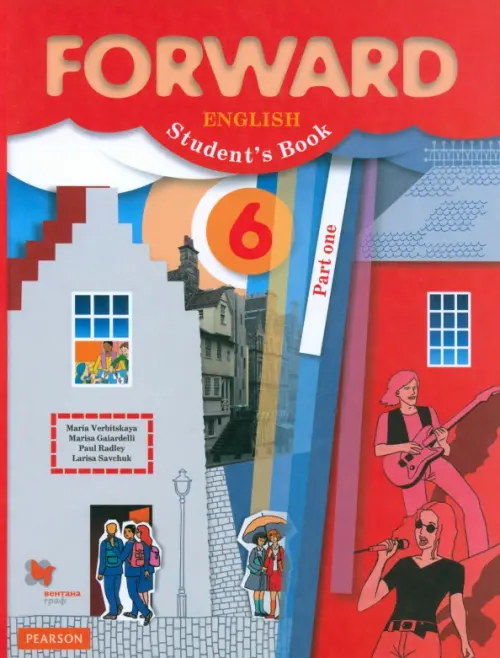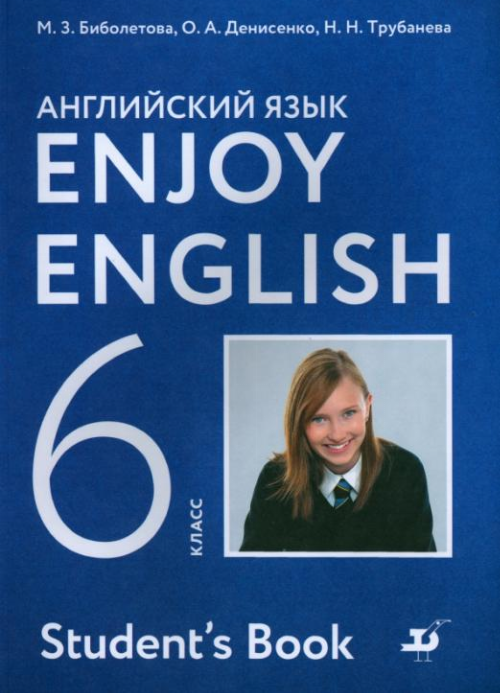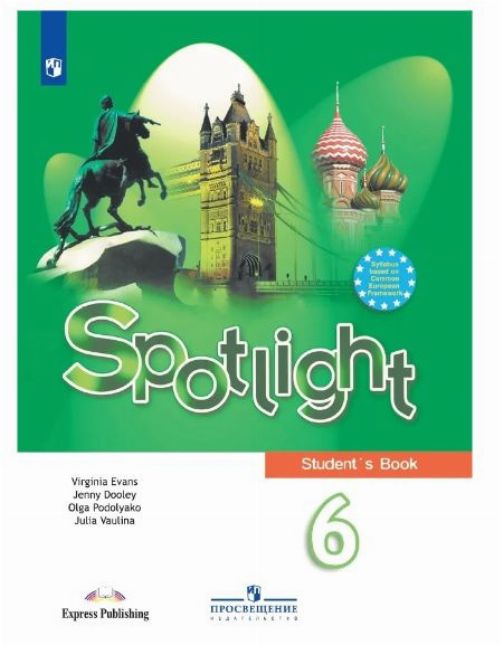
Revision Vocabulary Рабочая тетрадь ГДЗ Spotlight 6 класс
Revision Section — Vocabulary
Modules 1 & 2
- Match the words 1–10 to their definitions (a–k). One definition is extra.
My Family
- aunt
- cousins
- daughter
- family tree
- grandparents
- grandson
- great-grandmother
- relatives
- stepfather
- wife
- my mother’s or father’s sister
- my family members
- my brother in relation to my grandparents
- my mother’s or my father’s parents
- my uncle’s/aunt’s children
- my sister in relation to my parents
- a diagram showing the relationship between people in several generations of a family
- my sister’s husband
- my mother in relation to my father
- my grandmother’s or my grandfather’s mother
- my mother’s new husband in relation to me
- Read the sentences and write words about rooms and furniture.
- We cook there.
- It shows time.
- We keep books in it.
- We can see ourselves in it.
- We put food into it to keep it fresh.
- There is a desk, a computer and bookshelves in this room.
- It’s over our heads in the room.
- It’s under our feet in the room.
- It’s my best place to sit and read a book.
- It is usually on the table with flowers in it.
- Match parts of the words to form compound nouns/word combinations and complete the sentences. One word/word combination is extra.
- book
- swimming
- post
- news
- super
- green
- shopping
- art
- market
- grocer’s
- street
- shop
- gallery
- agent’s
- pool
- office
There was a great exhibition of Serov’s paintings at the Tretyakov ____.
I’d like to read the last Harry Potter book that I can see in the shop window of the ____.
I haven’t read it yet. I went to the ____, not to the small shops yesterday, because my shopping list was very long.
Where are you going? I need to post some Christmas cards, so I’m going to the ____.
I bought this red bus souvenir in Oxford Street, which is the main ____ in London.
Come and join our swimming club! It meets on Tuesdays and Fridays at 4 pm at the town ____.
I need a new magazine issue on collecting stamps. I can’t find it anywhere. Try the ____ on the other side of the park.
Modules 3 & 4
- Put the words in the correct order to make sentences. Then match the sentences to groups A–D:
A When you ride your bike
B When you travel on a bus
C When you travel in a car
D When you cross the street on foot
- seat belt/your/wear/always/must
- talk to/driver/don’t/the
- before/the street/look/both ways/crossing
- for/crossing/zebra crossing/or/look/traffic lights/a
- the/pavement/the/stand/for/on/waiting/green lights
- your bike/good/in/make sure/is/working condition
- the/traffic/ride/against/with/flow/not/of/it
- block/mirror/view/don’t/the/rear
- between/don’t/cars/cross/parked
- person/never/your/carry/second/a/bike/on
- Underline the correct word. Think of a title for the text.
____ a bike has been my hobby for three years. I care for my bike and always keep it in good working ____.
I regularly check my ____ and tyres. Every weekend I go to the bike park with my friends to ride for about three hours.
We all wear bicycle ____ for ____.
We enjoy ____ together. Sometimes I help my mum. Yesterday I ____ on my bike and went to the ____.
It’s different to ride a bike in town. You have to understand the ____ and obey them.
I used bike ____ as usual. I was wearing ____ clothes. I stopped at the traffic ____.
I never pass at the red ____. When I got to the baker’s, I got ____ the bike and ____ it next to the shop.
The ____ is at the top of a hill. So on my way back I ____ downhill to my home. It was fun.
- Complete the text with the words below. Two words are extra.
after, bacteria, before, between, buttons, covid, door handles, everywhere, healthy, rules, soap, sore, taps, touching, viruses, visiting, washing
Wash your hands!
Have you ever seen germs? Maybe you haven’t, but it’s important to know that germs, viruses and ____ are everywhere. Bacteria can cause ____, ear infections, toothache, and pneumonia, or ____ can cause different diseases, flu and ____ among them.
You must follow a few simple ____ that will help you keep ____.
You may be touching germs ____ without even knowing: on ____, shopping cart handles, public toilet ____, lift ____, etc.
The number one defence against germs is ____ your hands.
You should wash your hands ____ eating or touching food, after using the toilet, after coughing or sneezing, after petting animals, after ____ sick friends, after ____ rubbish.
To wash your hands properly you should wet your hands, apply ____, scrub front and back, nails, and wrists, for about 20 seconds and rinse off fully.
Modules 5 & 6
- Complete the text with the words and word combinations below. Two words are extra.
among, carnival, dressed, along, drums, enjoyed, festivals, gondolas, hand-painted, historic, lasts, marching, parade, show, took place, tourist attraction, tradition, wearing, with
The Venice Carnival
Every year there is a huge ____ in Venice that is one of the world’s most colourful ____.
The Venice Carnival takes place in spring and ____ for eighteen days. The first Venetian carnival was in the eleventh century, so it is a very old ____.
The Venice Carnival is very popular ____ tourists. The carnival opens with a traditional parade of boats that are called ____.
This year, the carnival ____ at the beginning of February and I was lucky to go.
The whole city came alive for the carnival. Venice is most famous for making ____ masks, so the streets were filled with people ____ beautiful masks.
The people in fancy dresses became a ____ because everyone wanted to take a photo with them.
My favourite part of the carnival was the ____ in Saint Mark’s Square. I heard beating ____.
Hundreds of people were ____ through the square. They were all wearing beautiful ____ costumes.
The last person in the parade was a man ____ as a king. The King climbed onto a stage in the square. He chose two knights to fight each other with swords. It was very exciting to watch the ____!
I really ____ the Venice Carnival because it was fun for everyone. It felt like we were all in a different era!
- Match free time activities 1–10 to the sentences (A–J) describing them. One sentence is extra.
- spend time with family
- go out with friends
- surf the Internet
- play computer games
- listen to music
- read books
- write
- go to the park
- cook
- exercise and play a sport
- You can research a topic you are interested in, visit your favourite websites, watch music videos, learn what is happening in the world by reading news websites, etc.
- Turn up the volume and enjoy your favourites such as pop, rock, hip hop, blues, jazz, classical, soul, heavy metal.
- If you like fiction, there are novels, short stories, crime fiction, romance, etc. If you like non-fiction, you can find biographies, autobiographies, or books on history, science, or any other topic that you are interested in.
- Learn to play the piano, guitar, violin, saxophone, drums, etc. You can play on your own or with a group, such as a band or an orchestra.
- You can make meals for breakfast, lunch and dinner. You can bake cakes, cookies, slices and pastries in the oven.
- You can have a picnic there. You can read, kick a football around, climb trees or play on the children’s playground.
- You can do many things, like go cycling in the park, play a sport, sit down and talk, go fishing, or any other activity that you all enjoy.
- You can play games on your PC or on a game console. You can play on your own or with your friends or family.
- You can do many things together with your relatives. Usually, the fact that you are together is more important than the activity.
- Many people like to write in their diary or a journal. You can also write poetry, novels, letters and short stories or write your thoughts in a blog.
- To stay fit and healthy, you can do swimming or working out at a gym, or you can play a team sport, such as football or basketball.
- Complete the text with the words and word combinations below. Two words are extra.
Camera Club, chess, doing activities, fishing, goes for a walk, hobby, indoor activities, meetings, on holiday, painting, printed, swimming, to the cinema, tour
My friend Leon likes ____ in his free time. He likes board games. We often play ____ with him.
In summer he does outdoor activities like ____ or ____. If the weather is not rainy, he ____ in the mornings.
In winter he prefers ____ such as table tennis. One of his favourite activities in winter is cinema. He goes ____ every weekend.
Leon’s ____ is taking photos. Yesterday he went to the ____ after school. The club ____ are every Wednesday at 3 pm.
He ____ his pictures from his family’s last month’s ____ to the capital.
Modules 7 & 8
- Complete the text with the words below. Two words are extra.
beautiful, busy, deserted, different, famous, ghost, hotels, idea, mines, people, quiet, ruined, school, wealthy, weekly, ugly
The Dead Cities, also called the “____ Cities,” are a series of old towns, monuments, and settlements that are ____ and ____.
To get an ____ of what life was like there and how they look now, let’s go to see the town of Ruby, Arizona.
Life was ____ there in 1880. It was a ____ city; lots of people worked in the ____.
They got silver, gold, and zinc. The people were quite ____.
There was a ____, a warehouse, and a courthouse. Now the ruins look rather ____.
Another example is St. Elmo. This mining town was home to 2,000 ____, 150 mines, and enough ____, saloons, and dance halls to keep everybody in town entertained.
In 1910 it started to change into a ____ city; people began to leave it. Yet St. Elmo remains one of America’s best-preserved ghost towns. And it is, of course, ____ for ghosts nowadays.
- Match the words to form word combinations and complete the sentences with the right adjective.
- bored
- boring
- excited
- exciting
- scared
- scaring/scary
- tired
- tiring
- worried
- worrying
- adventure
- children
- job
- legs
- lesson
- look
- problems
- reporters
- schoolboys
- stories
- Somehow, I took part in a ____ conversation about food prices.
- A ____ driver has slower reactions.
- ____ fans watched their team win 2:1.
- A fire broke out at school but the teachers led the ____ to safety.
- It has been a ____ time for you looking for a job.
- Lots of ____ teenagers hang around the trading centre of the town.
- Kids often want more ____ books than the ones they are offered.
- We watched a ____ movie and Tom began to cry.
- I want to go home as I had a very ____ day.
- Helen looked at me with a ____ expression.
- Match the words to their definitions.
- block of flats
- cottage
- gallery
- halls of residence
- hotel
- house
- library
- palace
- stadium
- tent
- a building for living in, usually where only one family lives
- a very large building, especially one used as the official home of a royal family or president
- a shelter made of cloth and supported with poles and ropes
- a large building, usually without a roof, where people watch sports events
- a small house, usually in a village or the countryside
- a large building with a lot of different levels and apartments
- a public building where you can look at paintings and other works of art
- a building where you pay to stay in a room and have meals
- a large building in or near a college or university, where students live
- a building where books, documents, CDs are available for you to look at or borrow
- Complete the text with the words and word combinations below. Two words are extra.
at the age of, author, born, characters, company, died, experience, famous for, good, greatest, home, received, remembered, sent, storyteller, unhappy, time, world famous
Roald Dahl: early years
Roald Dahl (____ 1916, Wales; ____ 1990, Oxford, London) was a ____ British writer, a popular ____ of children’s books.
They call him “one of the ____ storytellers for children of the 20th century”.
His parents were from Norway. His mother was a great ____ and had a fabulous memory.
Roald ____ many tales that she told him about trolls and other mythical Norwegian ____.
Roald had a happy ____ life, but he had an ____ time at his school in Wales.
His mother ____ him to boarding school in Weston-Super-Mare.
____ 13, Roald went to Repton Public School in Derbyshire. He was happier here.
He was brilliant at sports and was very ____ at boxing.
The boys at the school helped sometimes as chocolate testers for a famous chocolate ____.
Later Roald Dahl used this ____ in the book Charlie and the Chocolate Factory.
Modules 9 & 10
- Complete the text with the words below. Two words are extra.
add, bake, combine, melt, mix, peel, pour, put, stir
Instructions for the perfect chocolate cake
- ____ the flour, sugar, cocoa, baking soda, baking powder, and salt into the bowl and ____ until combined.
- In another bowl, ____ the buttermilk, oil, eggs, and vanilla.
- With the mixer on low speed, slowly ____ the wet ingredients to the dry and coffee. ____ just to combine.
- ____ the liquid mixture into two 8-inch round pans and ____ for 30–40 minutes at 350°F, until a toothpick comes out mostly clean (not wet).
- Complete the text with the words below. Two words are extra.
adults, bitter, child-friendly, desserts, eating out, homemade, hot, menu, spicy, sour, sweet, takeaways
When you start ____ with kids, you look for restaurants with ____ menus. They offer options for both children and ____.
These eateries offer gluten-free versions of most dishes on its ____ as well. You won’t find fast food or ____ and ____ dishes.
Good menu options are for the whole family, including ____ dishes and wonderful ____.
Many of them provide extras for kids, like crayons and puzzles. You may also order ____ and eat a good dinner at home.
- Match the words to form word combinations and complete the sentences with them.
- attend
- buy
- go
- play
- stay
- take
- taste
- visit
- games
- (in a) hotel
- local food
- museum
- (a local) performance
- pictures
- sightseeing
- souvenirs
There is something really exciting about the idea of summer vacation. It is the best time to relax, ____, practise creative activities.
Our family are planning a trip to Goa and ____ there.
Mum and I are planning to ____ in the local markets, ____ and sunbathe in the sun.
I like Indian dances, so we are going to ____.
I also like to ____ of beautiful landscapes.
Then we are planning to go to the capital. In Delhi we will ____ and ____.
I’m going to ____ for all my friends.
Modules 1 & 2
1. 1–a, 2–e, 3–f, 4–g, 5–d, 6–c, 7–j, 8–b, 9–k, 10–i. Extra: h.
2.
1. We cook there. — kitchen
2. It shows time. — clock
3. We keep books in it. — bookcase
4. We can see ourselves in it. — mirror
5. We put food into it to keep it fresh. — fridge
6. There is a desk, a computer and bookshelves in this room. — study
7. It’s over our heads in the room. — ceiling
8. It’s under our feet in the room. — floor
9. It’s my best place to sit and read a book. — armchair
10. It is usually on the table with flowers in it. — vase
3.
1. art gallery
2. bookshop
3. supermarket
4. post office
5. shopping street
6. swimming pool
7. newsagent’s
Modules 3 & 4
1.
1. You must always wear your seat belt. — C
2. Don’t talk to the driver. — B
3. Look both ways before crossing the street. — D
4. Look for a zebra crossing or traffic lights for crossing. — D
5. Wait on the pavement for the green lights. — D
6. Make sure your bike is in good working condition. — A
7. Don’t ride against the flow of traffic. — A
8. Don’t block the rear view mirror. — C
9. Don’t cross between parked cars. — D
10. Never carry a second person on your bike. — A
2. Title: Riding a Bike
1. Riding a bike has been my hobby for three years.
2. I care for my bike and always keep it in good working condition.
3. I regularly check my brakes and tyres.
4. We all wear bicycle helmets for safety.
5. We enjoy riding together.
6. Yesterday I got on my bike and went to the baker’s.
7. It’s different to ride a bike in town.
8. You have to understand the traffic rules and obey them.
9. I used bike lanes as usual.
10. I was wearing bright clothes.
11. I stopped at the traffic lights.
12. I never pass at the red light.
13. When I got to the baker’s, I got off the bike and parked it next to the shop.
14. The baker’s is at the top of a hill.
15. So on my way back I rode downhill to my home.
3.
1. bacteria
2. sore
3. viruses
4. covid
5. rules
6. healthy
7. everywhere
8. door handles
9. taps
10. buttons
11. washing your hands
12. before
13. visiting
14. touching
15. soap
Modules 5 & 6
1.
1. carnival
2. festivals
3. lasts
4. tradition
5. among
6. gondolas
7. took place
8. hand-painted
9. wearing
10. tourist attraction
11. parade
12. drums
13. marching
14. historic
15. dressed
16. show
17. enjoyed
2.
1–I, 2–G, 3–A, 4–H, 5–D, 6–C, 7–J, 8–F, 9–E, 10–B. Extra: learn to play the piano, guitar, violin, saxophone, drums, etc.
3.
1. doing activities
2. chess
3. fishing
4. swimming
5. goes for a walk
6. indoor activities
7. to the cinema
8. hobby
9. Camera Club
10. meetings
11. printed
12. tour
Modules 7 & 8
1.
1. Ghost Cities
2. deserted
3. ruined
4. idea
5. different
6. busy
7. mines
8. wealthy
9. school
10. ugly
11. people
12. hotels
13. quiet
14. famous
2.
1–j, 2–d, 3–h, 4–a, 5–i, 6–b, 7–g, 8–f, 9–e, 10–c.
1. boring
2. tired
3. excited
4. scared
5. worrying
6. bored
7. exciting
8. scary
9. tiring
10. worried
3.
1–f, 2–e, 3–g, 4–i, 5–h, 6–j, 7–a, 8–d, 9–b, 10–c.
a. a building for living in, usually where only one family lives
b. a very large building, especially one used as the official home of a royal family or president
c. a shelter made of cloth and supported with poles and ropes
d. a large building, usually without a roof, where people watch sports events
e. a small house, usually in a village or the countryside
f. a large building with a lot of different levels and apartments
g. a public building where you can look at paintings and other works of art
h. a building where you pay to stay in a room and have meals
i. a large building in or near a college or university, where students live
j. a building where books, documents, CDs are available for you to look at or borrow
4.
1. born in 1916, Wales
2. died in 1990, Oxford, London
3. world famous
4. author
5. greatest
6. storyteller
7. remembered
8. characters
9. home
10. unhappy
11. sent
12. At the age of 13
13. good
14. company
15. experience
Modules 9 & 10
1.
1. Put the flour, sugar, cocoa, baking soda, baking powder, and salt into the bowl and mix until combined.
2. In another bowl, combine the buttermilk, oil, eggs, and vanilla.
3. With the mixer on low speed, slowly add the wet ingredients to the dry and coffee. Stir just to combine.
4. Pour the liquid mixture into two 8-inch round pans and bake for 30-40 minutes at 350 F, until a toothpick comes out mostly clean (not wet).
2.
1. eating out
2. child-friendly
3. adults
4. menu
5. homemade
6. hot
7. spicy
8. sweet
9. desserts
10. takeaways
3.
1–e, 2–h, 3–g, 4–a, 5–b, 6–f, 7–c, 8–d.
1. go sightseeing
2. stay in a hotel
3. taste local food
4. play games
5. attend a local performance
6. take pictures
7. go sightseeing
8. visit a museum
9. buy souvenirs