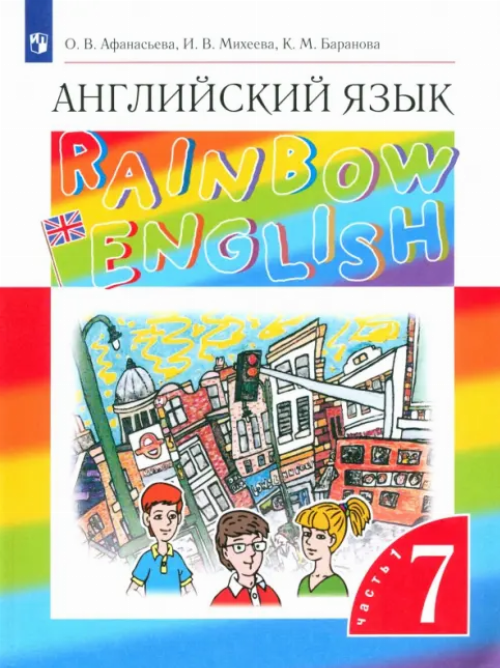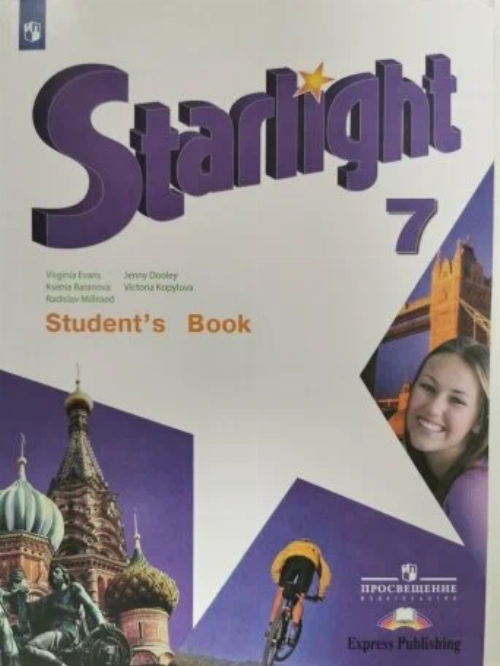
Стр.32-33 Модуль 2 ГДЗ Starlight Баранова 7 класс
Look at the pictures and read the title and the first and last sentence of each paragraph of Iris’ blog entry. What do you think Chinese opera is like? Listen and read to find out.
а) Read the text again. For each question (1–5), choose the correct answer A, B, C or D.
When Chinese opera first started, performances took place outside.
- A) it didn’t have any lighting.
- B) performances took place outside.
- C) there was no stage or costumes.
- D) it wasn’t very popular.
In the past, the actors wore costumes that were easy to see.
- A) very simple.
- B) only red, gold, and silver.
- C) easy to see.
- D) easy to wear.
The actors sang in a high-pitched voice because they wanted to help the audience hear.
- A) help the audience hear.
- B) follow tradition.
- C) make the audience laugh.
- D) attract more attention.
The audience mainly follow the story of a Chinese opera through the singing and the characters’ movement and make-up.
- A) a lot of props and scenery.
- B) the colours on the characters’ costumes.
- C) changes in the lighting.
- D) the characters’ movement and make-up.
At the end, we learn that Iris was surprised that she enjoyed the opera.
- A) planning to see the opera again.
- B) surprised that she enjoyed the opera.
- C) not interested in going to another opera.
- D) unsure if her readers would enjoy Chinese opera.
b) Match the words in bold in the text with their meanings: amazing; impressive; something I like; be clear; shows; there for a short time; be heard.
Match the highlighted words in the text with their descriptions (1–7).
- The people who take part in the performance.
- This rises at the beginning of the performance and comes down at the end.
- The actors and actresses wear these.
- The objects or furniture used in a performance.
- The performances take place on these.
- The painted backgrounds that show where the story takes place.
- The use of lights to give different effects during the show.
а) Read and find examples in the text.
b) Write sentences about the ancient Greek theatre using used to/didn’t use to.
- it/be/very popular
Write two things you used to do when you were 10 and two things you didn’t use to do.
Make notes under the headings. Use them to present the Chinese opera to the class.
costumes; singing; actors; stage; props/scenery; make-up
Think! In three minutes write three reasons why someone should attend a Chinese opera. Tell another group or the class.
2a)
- B — performances took place outside.
- C — easy to see.
- A — help the audience hear.
- D — the characters’ movement and make-up.
- B — surprised that she enjoyed the opera.
2b)
amazing — impressive; striking — something I like; insisted — be dear; shows — reveals; temporary — there for a short time; carry — be heard.
3
- actors
- curtain
- costumes
- props
- stages
- scenery
- lighting
4a)
used to — used to be, used to wear, used to sing, used to train, used to gather.
4b)
- It used to be very popular.
- They used to perform the operas on the streets.
- They used to wear bright colours.
- They used to sing in a high-pitched voice.
5
When I was 10, I used to play outside every day. I used to read books before bed. I didn’t use to stay up late. I didn’t use to play computer games.
6
| Costumes | Singing | Actors | Stage props/scenery | Make-up |
|---|---|---|---|---|
| bright, colourful, beautiful | sharp, high-pitched, ancient style | train hard for years, use faces and bodies, do acrobatics | few props and little scenery; symbols are used | bright colours with special meanings |
7
1. Chinese opera is a unique and original kind of performance.
2. It combines singing, dancing, acrobatics and colourful costumes.
3. It helps you learn about Chinese culture and traditions.