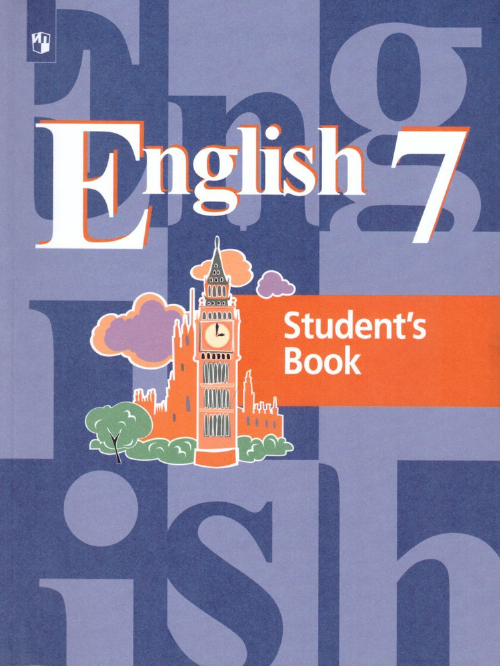
Стр.83 Unit 6 Играя в игры ГДЗ Комарова Ларионова 7 класс
Приведем выдержку из задания из учебника Комарова, Ларионова 7 класс, Русское слово: Grammar Comparative and superlative adjectives short adjectives small adjectives ending in e wide adjectives ending in a vowel + consonant big adjectives ending in у happy long adjectives exciting irregular adjectives good bad comparative form Add er: smaller Add r: wider Double the final consonant and add er: bigger Delete the у and add ier: happier Put more in front of the adjective: more exciting better worse superlative form Add est: smallest Add st: widest Double the final consonant and add est: biggest Delete the у and add iest: happiest Put most in front of the adjective: most exciting the best the worst We use comparative adjectives to compare two things. We use than after comparative adjectives. Draughts is easier than chess. We use superlative adjectives to compare three or more things. We use the before superlative adjectives. This is the best game on my computer. Cold/couldn’t affirmative I / You / He / She / It / We / They could dance. Negative I / You / He / She / It / We / They play the bagpipes. Questions I / you / he / she / it / we / they participate in the Games? Short answers Yes, I / you / he / she / it / we / they could. No, I / you / he / she / it / we / they couldn’t. We use could / couldn’t to talk about ability and possibility in the past. After could and couldn’t we don’t use to. All persons are the same. He could sing well. / He coulds sing well. Should / shouldn’t affirmative I / You / He / It / We / They She should see the Games. Negative I / You / He /She It / We / They shouldn’t carry that heavy stone. Questions Should I / you / he /she / it / we /they take a camera? Short answers Yes, I / you / he / she / it / we / they should. No, I/you/he/she/it/we/ they shouldn’t. We use should / shouldn’t to give advice or recommendations. After should and shouldn’t we don’t use to. All persons are the same. *Цитирирование части задания со ссылкой на учебник производится исключительно в учебных целях для лучшего понимания разбора решения задания.
Comparative and superlative adjectives:
- small — smaller — the smallest
- wide — wider — the widest
- big — bigger — the biggest
- happy — happier — the happiest
- exciting — more exciting — the most exciting
- good — better — the best
- bad — worse — the worst
We use comparative adjectives to compare two things. We use than after comparative adjectives.
We use superlative adjectives to compare three or more things. We use the before superlative adjectives.
Could / couldn’t
- Affirmative: I could dance.
- Negative: I couldn’t play the bagpipes.
- Question: Could I participate in the Games?
- Short answers: Yes, I could. / No, I couldn’t.
We use could / couldn’t to talk about ability and possibility in the past. After could and couldn’t we don’t use to.
Should / shouldn’t
- Affirmative: You should see the Games.
- Negative: She shouldn’t carry that heavy stone.
- Question: Should I take a camera?
- Short answers: Yes, I should. / No, I shouldn’t.
We use should / shouldn’t to give advice or recommendations. After should and shouldn’t we don’t use to.