

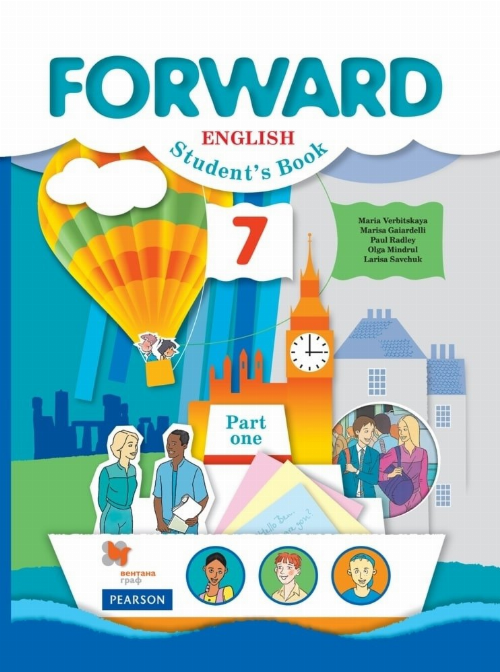
Задание 23 Юнит 1 ГДЗ Вербицкая Forward 7 класс
Вербицкая, Гаярделли, Редли
7 класс
Класс
7
Предмет
Английский
Автор
Вербицкая, Гаярделли, Редли
Задание 23 Юнит 1 ГДЗ Вербицкая Forward 7 класс
Задача
- Quickly read the chat discussion on the next page and find the kids who go to school:
- to socialize;
- to make parents proud of him/her;
- to become an IT specialist;
- to teach his/her future kids;
- to make dreams come true;
- not to live from hand to mouth.
- Read the messages attentively and choose the one you like best. Explain your choice.
Подробный ответ
1. to socialize — the kid who says school is a place to meet and talk to friends.
2. to make parents proud of him/her — the kid who studies to make his/her parents happy and proud.
3. to become an IT specialist — the kid who wants a future job in IT.
4. to teach his/her future kids to make dreams come true — the kid who wants to learn now and pass this idea on to future children.
5. not to live from hand to mouth — the kid who studies to have a better life and enough money in the future.
My choice: I like the message about making dreams come true best, because it sounds inspiring and positive. It shows that school is important for the future and helps us believe in ourselves.
Другие учебники
Другие предметы