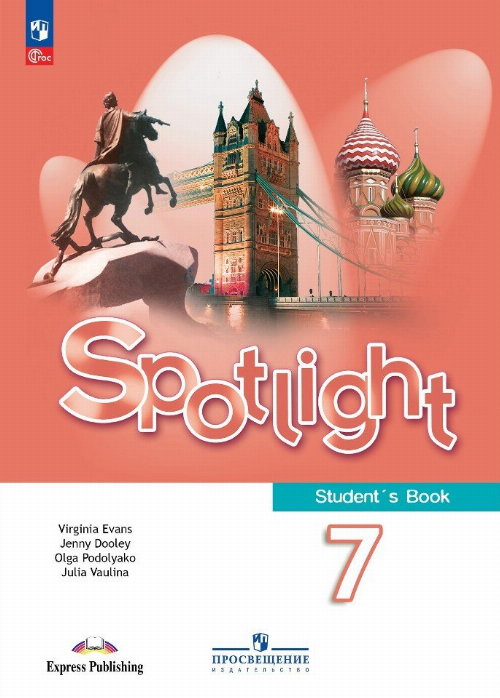
Упр.3 Модуль 7 Extensive Reading ГДЗ Spotlight 7 класс
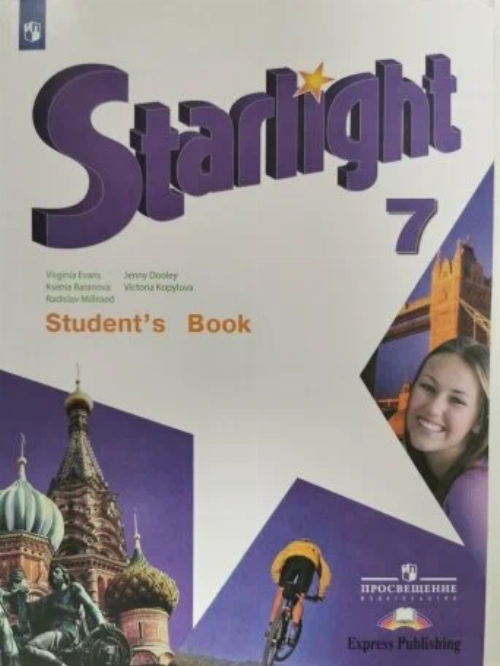
Приведем выдержку из задания из учебника Юлия Ваулина, Джунни Дули 7 класс, Просвещение: 3 Match the headings to the paragraphs. Listen and check. Which words helped you decide? Explain the words in bold. Does this sound familiar? Your grandparents may remember the old silent Charlie Chaplin comedy films. If so, they’ll probably tell you that without the music that accompanied them these films wouldn’t be much fun. Later, when films began to have sound, the music stayed because directors use pieces of music and sound to create particular moods and feelings. We call these musical cliches. In horror films and thrillers, for example, loud sounds let you know when something frightening is going to happen. Violin tunes accompany emotional scenes in romantic films, and in adventure films we use sharp and fast sounds for action scenes. Some musical cliches introduce specific places. Shots of Hong Kong, for example, often have xylophone music in the background while shots of Paris come with melodies played on the accordion. There are many musical cliches for a number of types of scenes. So, next time you watch a film, pay attention to the music in the background. You’ll be surprised how many musical cliches you can spot. *Цитирирование части задания со ссылкой на учебник производится исключительно в учебных целях для лучшего понимания разбора решения задания.
Ответ
Headings:
- Paragraph 1 — Music in silent films
- Paragraph 2 — Music creates moods and feelings
- Paragraph 3 — Music for different film scenes
- Paragraph 4 — Music for specific places
- Paragraph 5 — Listen for musical clichés
Words that helped decide: silent, music, moods and feelings, horror films, thrillers, romantic films, adventure films, specific places, background.
Words in bold:
- accompanied — went with / were played together with
- directors — people who make films
- clichés — things that are used very often and are easy to recognise
- emotional — showing strong feelings
- melodies — tunes
- spot — notice / see