1-11 класс
  • 1-11 класс
  • 1 класс
  • 2 класс
  • 3 класс
  • 4 класс
  • 5 класс
  • 6 класс
  • 7 класс
  • 8 класс
  • 9 класс
  • 10 класс
  • 11 класс
Выберите класс
Предметы
Starlight
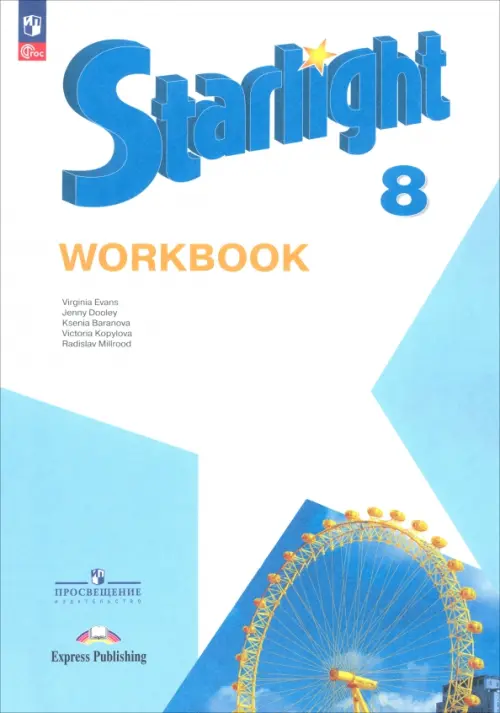
Стр.48-49 Модуль 3 ГДЗ Starlight Баранова 8 класс
Баранова, Дули, Копылова
8 класс
Автор
Баранова, Дули, Копылова

Стр.48-49 Модуль 3 ГДЗ Starlight Баранова 8 класс

Задача

Приведем выдержку из задания из учебника Баранова, Дули, Копылова 8 класс, Просвещение: 3a Life swap
Vocabulary
Members of society
1 a) Listen and say.
A the rich
B the poor
C the young
D the blind
E the homeless
F the elderly
G the unemployed
H the disabled
b) Listen to four people talking. Which group does each belong to?
Текст аудирования:
Pete: I lost my job six months ago because the company I worked for went bankrupt and had to close down. I’ve been looking everywhere for another place to work; in the newspapers, online — I even go around personally to businesses and leave my CV with them. So far, though, nothing! I hope something comes along soon.
Sandy: Since my car accident, when I injured both legs, I’ve had to learn to get around in a wheelchair. I’ve been having physical therapy for three months now and I’m told there’s a good chance I will walk again. Meanwhile, I try to stay cheerful. Most people are very kind, helping me get onto buses and up ramps and that sort of thing.
Ann: Accepting the fact that I’ve lost my sight was difficult. I’ve always hated the idea of relying on others to help me get around. You feel such a burden. Now, I’ve just bought the most wonderful dog. He’s a marvellous companion and never leaves my side. When we go out together, he guides me safely across the road without bumping into anyone.
Bart: Celia and I got engaged last month and I gave her a huge gold and diamond ring. Now we’re looking for a house to buy. Celia really wants something with a swimming pool and stables for the horses. So long as we find something by next June — we’re getting married then. After that, I’ve booked a luxury cruise on the French Riviera for our honeymoon.
2 Think! Choose one of the members of society from Ex. 1a. Say a few sentences about their lifestyle.
Reading & Listening
3 Look at the people in the pictures in the text. What can a typical day in their lives be like? Listen and read to find out.
“Before you abuse, criticise and accuse, walk a mile in my shoes. ” (American singer/songwriter Joe South, 1969)
A day in the shoes
The city can be an unfriendly place at the best of times. Imagine then, how it might feel for the elderly or the homeless — people who are often marginalised by the rest of society. So to find out what it’s really like to be in someone else’s shoes, two reporters went undercover, one as an eighty-year-old and another as a homeless person. The results were eye-opening!
… an elderly lady
by Tracy Bond
Turning 25-year-old me into an 80-year-old was no easy task; with the help of a make-up artist, i had to be covered with layers of prosthetic make-up. After putting on a shabby coat and holding tightly onto a walking stick, my transformation was complete — and very convincing! Then it was time to set out to see how the world would react.
Making sure that my voice sounded old and weak, I immediately tried to make small talk on the bus with the young woman sitting next to me. She stared straight ahead. She might not have heard, I thought. I tried again, but it was quite clear that the woman didn’t want to talk to a chatty senior citizen. Then it was time for some shopping. At my favourite make-up counter, where the assistant usually laughs and jokes with me, she looked as if she couldn’t wait to get rid of me. Later, in a music shop, my request for some CDs was met with laughter from sales assistants who couldn’t believe an 80-year-old was interested in the latest chart hits! I felt incredibly embarrassed and lonely, as if nothing about me was important, except that I was old! All day, only one person seemed to want to chat to me — a homeless man; he too was invisible and unwanted by society.
As I finally took my make-up off, I couldn’t help wondering how I would have treated 80-year-old me. Over the next 50 years, the number of elderly people in society will triple. Remember that the next time you’re out and about and come across an elderly person. One day, it could be you!
… a homeless man
by Sam Browne
Carrying a sleeping bag and wearing scruffy clothes, I headed for the spacious shop doorways where the homeless spend their nights. When I arrived there, I was shocked to see men and women already curled up in most of the doorways. I got into my sleeping bag in the large, well-lit doorway of a boutique, but I couldn’t sleep. It wasn’t just the biting cold, but I was constantly aware of people walking close to my head and the hard stone floor dug into my shoulder and hip. I finally dozed off, only to be woken up at about 5 am by the cleaners who arrived to wash the steps. As I walked, people avoided looking at me and crossed the road.
I walked into a cafe to use the toilet and I was angrily told I had to leave. At the public toilets, I couldn’t believe the reflection I saw in the mirror. My eyes were red and puffy, my skin pale and my hair was frizzy. I looked terrible.
Later, at a soup kitchen, I got a free hot meal and I spoke to people who were on the streets because of terrible debts or family break-ups. 19-year-old Rob told me that he couldn’t get off the streets because he had no official identity. I suddenly remembered how many times I had walked past young homeless people and thought, “You should just get a job!” forgetting that you can’t be employed without an address and ID.
My day as a homeless person has taught me how much the homeless need our help, not our judgment. These days, I donate money to a homeless charity and volunteer at a soup kitchen. Maybe you could do the same.
Check these words
abuse, criticise, accuse, marginalised, go undercover, eye-opening, prosthetic make-up, shabby, walking stick, convincing, set out, make small talk, chatty, senior citizen, get rid of, embarrassed, invisible, scruffy clothes, curled up, dig into, doze off, puffy eyes, frizzy hair, debt, family break-up, judgment, donate
4 Read again and complete the sentences with words/phrases from the text.
1 Tracy changed her looks in order to find out what it’s really like to be in someone else’s shoes.
2 Sales assistants made her feel (incredibly) embarrassed and lonely.
3 At the end of the day she felt invisible and unwanted by society.
4 Sam couldn’t sleep well on the streets because it was biting cold, people were walking close to his head, and the stone floor where he slept was hard.
5 Common reasons for homelessness are debts or family break-ups.
6 The homeless often can’t work because they have no address or ID.
5 Complete with: eye-opening, talk, senior citizen, invisible, frizzy, identification, debts, curled.
1 She has retired from work. She’s a senior citizen.
2 Living one day on the streets can be an eye-opening experience.
3 It seemed nobody could see him, he was invisible.
4 While waiting for the bus, he made small talk with the person next to him.
5 He curled up in his bed and slept.
6 The beggar’s hair was dry and frizzy.
7 He couldn’t pay off his debts so he had to leave his flat.
8 Without any official identification you can’t get a job.
Grammar
Modals (revision)
6 Rewrite the sentences. Use: can’t, should, must, could, mustn’t, didn’t have to. Find examples of modal verbs in the text.
1 It’s impossible for Mike to find a job. Mike can’t find a job.
2 Is it OK if we go now?
3 It wasn’t necessary for Ian to go.
4 It’s a good idea to help the poor.
5 It’s forbidden to enter the area.
6 It’s your duty to inform John about it.
7 Take roles and act out an interview with the people in the texts.
Speaking & Writing
8 Think! Imagine you spent a day as an unemployed person. Write a short account of what you did, how people treated you, and how you felt. Tell the class.
*Цитирирование части задания со ссылкой на учебник производится исключительно в учебных целях для лучшего понимания разбора решения задания.

Подробный ответ

Ответ

1. It’s OK if we go now? — Could we go now?

2. It wasn’t necessary for Ian to go. — Ian didn’t have to go.

3. It’s a good idea to help the poor. — You should help the poor.

4. It’s forbidden to enter the area. — You mustn’t enter the area.

5. It’s your duty to inform John about it. — You must inform John about it.

Examples of modal verbs in the text: might, could, will, can’t, can, should.


Общая оценка
4.8 / 5
Другие учебники
Другие предметы