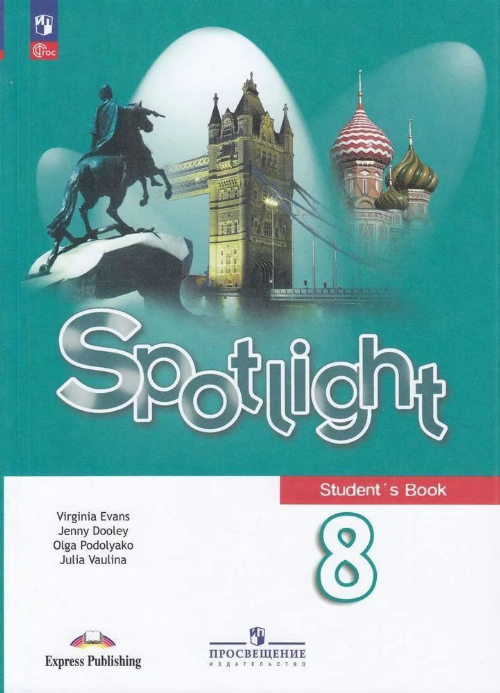
Стр.50-51 Модуль 3 ГДЗ Starlight Баранова 8 класс
3b Giving your time
Vocabulary
a) Listen and say.
WORLD PROBLEMS: homelessness, illiteracy, war, crime, ageing population, population growth, hunger, racism, poverty.
b) Are there any of these problems in your country? If so, what do you think can help the situation? Tell your partner.
Check these words: worthwhile, privileged, affection, slum, appalling, volunteer group, hygiene, literacy, makeshift school, wealthy, broken home, violence, beg, shine shoes, nerve-racking, turn up, eager, destitution, shack, leak, reputation, host family, adopt, unofficial, eye-opening, miss out.
Reading
- Read the title of the text, the introduction, and the first sentence of each paragraph. What do you think Mitch’s experience was like? Listen and read to find out.
- Read the text again and, for questions 1–4, choose the best answer A, B, C, or D. Justify your answers.
- Mitch chose to volunteer in order to help those less fortunate than himself.
- A) make his parents proud.
- B) do the same as his friends.
- C) help those less fortunate than himself.
- D) forget his own problems.
- The favelas are a poor area
- A) close to city centre.
- B) five times larger than the urban centre.
- C) where four fifths are unemployed.
- D) situated on a mountaintop.
- Mitch’s job was difficult because
- A) many kids didn’t come to class.
- B) he had to cook as well as teach.
- C) it wasn’t easy for the kids to learn.
- D) he only had basic facilities.
- Mitch’s host family
- A) wanted him to stay in Rio.
- B) treated him like a native.
- C) gave him Portuguese lessons.
- D) have invited him back to Brazil.
- Mitch chose to volunteer in order to help those less fortunate than himself.
- Complete with: poverty, host, eye, make, shine, privileged, basic, broken, truly, makeshift, eager, experience. Choose five of the phrases and make sentences about Mitch.
Grammar
Conditionals Type 0–3
- Read the examples. How do we form each type? Find more examples in the text.
When/If there is war, innocent people die. (Type 0)
If you do volunteer work, you’ll help those in need. (Type 1)
If he had a job, he would earn money (but he doesn’t — Type 2).
If I were you, I’d volunteer for a charity. (Type 2 — advice)
If he had known, he would have helped (but he didn’t — Type 3). - Put the verbs in brackets into the correct tense. Say what type conditional each sentence is.
Wishes
- Read the examples. Which sentence refers to the present? Past?
I wish I was/were in Rio. (I want to go to Rio)
I wish I had gone to Rio. (but I didn’t go) - What could each person wish for?
- Pete wants to travel abroad, but he doesn’t have enough money.
- Kate didn’t get into college because she hadn’t studied enough.
- She doesn’t have any friends; she feels lonely.
- Bob wanted to go to the party, but he was ill.
- He didn’t get the job because he doesn’t speak Spanish.
Speaking & Writing
- Think! Complete the sentences.
- Think! Imagine you are Mitch in Rio.
a) Use the information in the text to call your family and talk to them about your experience.
b) Write a letter to your family about your experience there. Write about: the place, the school & the children you teach, the host family, your feelings.
3
- C — help those less fortunate than himself.
- A — close to city centre.
- D — he only had basic facilities.
- B — treated him like a native.
4
1. privileged childhood
2. live in poverty
3. basic skills
4. makeshift school
5. broken homes
6. to shine shoes
7. be eager to learn
8. make progress
9. host family
10. truly special
11. eye-opening
12. experience of a lifetime
Five sentences about Mitch:
- Mitch had a privileged childhood.
- He wanted to help children who live in poverty.
- He taught them basic skills in a makeshift school.
- The children were eager to learn and made progress.
- His time in Brazil was an eye-opening experience of a lifetime.
6
- If I won a lot of money, I’d donate it to charity. — Type 2
- If Sarah had learned Portuguese, she would have enjoyed her stay in Brazil more. — Type 3
- When children don’t have loving homes, they develop emotional problems. — Type 0
- If it rains tomorrow, we won’t play football. — Type 1
- If I were you, I wouldn’t do it. — Type 2
8
- I wish I had enough money.
- I wish I had studied enough.
- I wish I had some friends.
- I wish I hadn’t been ill.
- I wish I spoke Spanish.
9
- If I were Mitch, I would try to persuade more people to volunteer for those in need.
- If Mitch hadn’t gone to Rio, he would have missed the experience of a lifetime.
- If more people volunteer, the world will become a better place.
- I wish I were able to go to Rio.
- I wish I had experienced volunteer work during my summer holiday.
10b
Dear family,
I’m in Rio de Janeiro now, and this place is amazing and eye-opening. I’m teaching English to homeless street children in a makeshift school in the favelas. The children are very friendly and eager to learn, and I’m happy to see that they are making progress.
The host family I’m staying with is wonderful. They have treated me like one of the family, and I feel very welcome here. Life in the favelas is difficult, but the children are full of hope and courage.
This experience is truly special, and I know I will never forget it.
Love,
Mitch