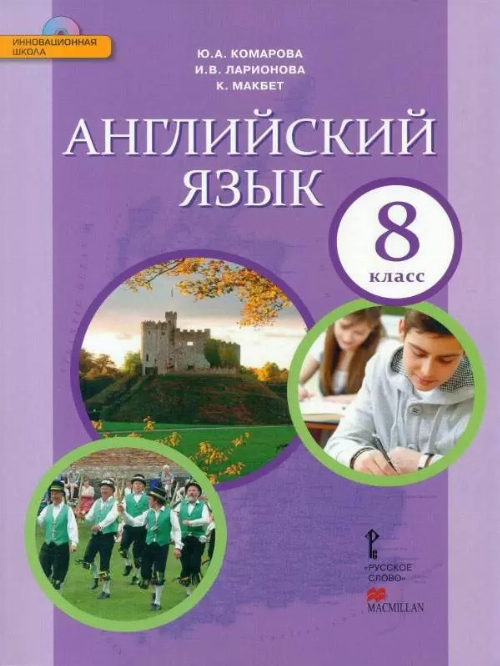
Стр.100-101 Рабочая тетрадь ГДЗ Комарова Ларионова 8 класс
Раздел грамматики 2 Past Simple (Прошедшее Простое) утвердительное Я/Ты/Он/Она/Оно/Мы/Они отправились в отпуск. отрицательное Я/ Ты/Он/Она/Оно/Мы/Они не сбежали. вопросы Я/ ты/ он/она/ это/ мы/они открыли дверь? краткие ответы Да, я/ты/он/она/оно/мы/они сделали. Нет, я/ты/он/она/оно/мы/они этого не делали. — Мы используем Past Simple, чтобы говорить о событиях в прошлом. — В Past simple все лица одинаковы. Я/Ты/Он/Она/Оно/Мы/Они исчезли. — Мы составляем отрицательные предложения в прошедшем времени с didn’t и инфинитивом без to. Он не вернулся на свое место. — Мы задаем вопросы в Past Simple с помощью did и инфинитива без to. Ездил ли он в отпуск со своей семьей? — В кратких ответах мы не повторяем основной глагол. правила правописания глаголов прошедшего времени Наиболее распространенные глаголы: добавить -ed return -> returned (вернуться – вернулся) Правильные глаголы, оканчивающиеся на -e: добавить -d arrive -> arrived (прибыть – прибыл) Обычные глаголы, оканчивающиеся на согласный + -y: измените -y на -i и добавьте -ed carry -> carried (нести – нес) Правильные глаголы, оканчивающиеся на согласный + гласный + согласный: удвойте конечную согласную и добавьте -ed travel -> travelled (путешествовать – путешествовал) Произношение — Произношение правильных глаголов Простого Прошедшего (Past Simple) времени меняется в зависимости от написания глагола: • когда глагол оканчивается на беззвучный звук, окончание -ed произносится [t]: help — helped • когда глагол оканчивается на звонкий звук, окончание -ed произносится [d]: return — returned • когда глагол оканчивается на -t или -d, окончание -окончание ed произносится как [id]: visit — visited — Для неправильных глаголов смотрите список неправильных глаголов, Рабочая тетрадь, стр.134. Прошедшее Длительное (Past Continuous) утвердительное Я/Он/Она/Оно Мы/Вы/Они ехали в Сиэтл. отрицательное Я/Он/Она/Оно не Мы/Вы/Они не несли портфель. вопросы Я/Он/Она/Оно Мы/Вы/Они вели себя странно? краткие ответы Да. Нет. — Мы используем Прошедшее Длительное время (Past Continuous) для описания действия, происходящего в прошлом. Прошедшее Простое и Прошедшее Длительное (Past Simple and Past Continuous) — Мы часто используем Past Continuous и Past Simple в одном и том же предложении. — Мы используем Past Simple для коротких действий. Мы используем Past Continuous время для более длительных действий. Past Simple описывает событие, которое произошло во время более длительного действия в Past Continuous. а) Он ждал поезда. b) Он услышал голос. — Мы обычно используем when с Past Simple и while с Past Continuous. Он ждал поезда, когда услышал чей-то голос. Пока он ждал поезд, он услышал голос.
Приведем выдержку из задания из учебника Комарова, Ларионова 8 класс, Русское слово: Grammar bank 2 Past simple affirmative I / You / He / She / It / We/They went on holiday. negative I / You / He / She / It / We / They didn’t escape. questions Did I / you / he / she / it / we / they open the door? short answers Yes, I / you / he / she / it / we / they did. No, I / you / he / she / it / we / they didn’t. o We use the past simple to talk about events in the past. o In the past simple, all persons are the same. I / You /He/ She /It/We/ They disappeared. o We make negative sentences in the past with didn’t and the infinitive without to. He didn’t return to his seat. o We make questions in the past with did and the infinitive without to. Did he go on holiday with his family? o In short answers we don’t repeat the main verb. spelling rules for past simple regular verbs Most regular verbs: add -ed return — returned Regular verbs ending in -e: add -d arrive — arrived Regular verbs ending in consonant + -y: change -y to -/ and add -ed carry — carried Regular verbs ending in consonant + vowel + consonant: double the final consonant and add -ed travel – travelled Pronunciation o The pronunciation of past simple regular verbs changes, depending on the spelling of the verb: o when the verb ends in an unvoiced sound, the -ed ending is pronounced [t]: help — helped o when the verb ends in a voiced sound, the -ed ending is pronounced [d]: return — returned o when the verb ends in -t or -d, the -ed ending is pronounced [id]: visit — visited o For irregular verbs, see Irregular Verbs list, Workbook p.134. Past continuous affirmative I / He / She / It was We / You / They were travelling to Seattle. negative I / He / She / It wasn’t (was not) We / You / They weren’t (were not) carrying a briefcase. questions Was I / he / she / it Were we / you / they acting strangely? short answers Yes, I / he / she / it was. No, I / he / she / it wasn’t. Yes, we / you / they were. No, we / you / they weren’t o We use the past continuous to describe an action in progress in the past. Past simple and past continuous o We often use the past continuous and past simple in the same sentence, o We use the past simple for short actions. We use the past continuous for longer actions. The past simple describes an event that happened during a longer action in the past continuous. a) He was waiting for a train. b) He heard a voice. o We generally use when with the past simple and while with the past continuous. He was waiting for a train when he heard a voice. While he was waiting for a train, he heard a voice.
Grammar Bank 2
Past Simple
| Форма | Пример |
|---|---|
| Утвердительная | I / You / He / She / It / We / They went on holiday. |
| Отрицательная | I / You / He / She / It / We / They didn’t escape. |
| Вопросительная | Did I / you / he / she / it / we / they open the door? |
| Краткие ответы | Yes, I / you / he / she / it / we / they did. No, I / you / he / she / it / we / they didn’t. |
Past Simple используется для описания событий, которые произошли в прошлом. В этом времени форма глагола одинакова для всех лиц.
В отрицательных предложениях используется didn’t и инфинитив без частицы to: He didn’t return to his seat.
В вопросах используется did и инфинитив без частицы to: Did he go on holiday with his family?
В кратких ответах основной глагол не повторяется: Yes, he did. No, he didn’t.
Правописание правильных глаголов в Past Simple
| Правило | Пример |
|---|---|
| К большинству глаголов добавляется -ed. | return — returned |
| Если глагол оканчивается на -e, добавляется -d. | arrive — arrived |
| В глаголах, оканчивающихся на согласную + -y, буква y меняется на i, затем добавляется -ed. | carry — carried |
| В коротких глаголах, оканчивающихся на согласную после краткого гласного, конечная согласная удваивается. | travel — travelled |
Произношение окончания -ed
- После глухого звука окончание -ed произносится как [t]: help — helped.
- После звонкого звука окончание -ed произносится как [d]: return — returned.
- После звуков [t] и [d] окончание -ed произносится как [ɪd]: visit — visited.
- Неправильные глаголы нужно смотреть в таблице неправильных глаголов на странице 134 рабочей тетради.
Past Continuous
| Форма | Пример |
|---|---|
| Утвердительная | I / He / She / It was travelling to Seattle. We / You / They were travelling to Seattle. |
| Отрицательная | I / He / She / It wasn’t carrying a briefcase. We / You / They weren’t carrying a briefcase. |
| Вопросительная | Was I / he / she / it acting strangely? Were we / you / they acting strangely? |
| Краткие ответы | Yes, I / he / she / it was. No, I / he / she / it wasn’t. Yes, we / you / they were. No, we / you / they weren’t. |
Past Continuous используется для описания действия, которое продолжалось в определённый момент в прошлом.
Past Simple и Past Continuous
Past Continuous обозначает длительное действие, а Past Simple — короткое действие, которое произошло во время этого действия.
He was waiting for a train when he heard a voice.
While he was waiting for a train, he heard a voice.
Обычно союз when используется с Past Simple, а союз while — с Past Continuous.