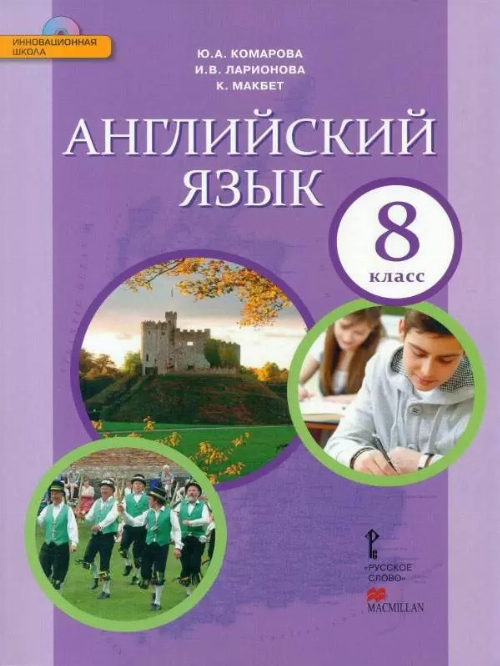
Стр.83 Unit 6 Последние рубежи ГДЗ Комарова Ларионова 8 класс
Приведем выдержку из задания из учебника Комарова, Ларионова 8 класс, Русское слово: Grammar will and might affirmative I / You / He / She / It / We / They will see the sunrise. I / You / He / She / It / We / They might climb up walls. negative I / You / He / She / It / We / They won’t walk around. I / You / He / She / It / We / They might not travel to space. We use will or won’t when we’re sure about something in the future — it’s definite. We use might or might not when we aren’t sure about something in the future — it’s possible. To form sentences we use will / won’t / might / might not + infinitive without to. People might go on holiday in space. I won’t book a room in that hotel. The form is the same for all persons. We don’t use -s in the third person. He might open a hotel. They won’t all want to go. We normally use contractions (‘ll not will, and won’t not will not) when we speak. First conditional situation If I get rich one day. consequence I’ll go to Antarctica consequence I’ll go to Antarctica. situation If I get rich one day. We use the first conditional to talk about possible situations and their consequences. To form sentences we use: If + subject + present simple for the situation, subject + ’ll I won’t + infinitive without to for the consequence. be going to affirmative I’m (am) You’re (are) He / She / It’s (is) We / You / They’re (are) going to ask. negative I’m not (am not) You aren’t (are not) He / She / It isn’t (is not) We / You / They aren’t (are not) going to work. questions Am I Is he/she/it Are we / you / they going to stay there? short answers Yes, I am. / No, I’m not. Yes, you are. / No, you aren’t Yes, he / she / it is. / No, he / she / it isn’t. Yes, we / you / they are. / No, we / you / they aren’t. We use be going to to talk about plans and intentions for the future. To form sentences we use: subject + be + going to + infinitive without to. She’s going to spend six weeks in space. We use the first conditional to talk about possible situations and their consequences. To form sentences we use: If + subject + present simple for the situation, subject + ’ll I won’t + infinitive without to for the consequence. *Цитирирование части задания со ссылкой на учебник производится исключительно в учебных целях для лучшего понимания разбора решения задания.
We use will and won’t when we are sure about something in the future. We use might and might not when something is only possible.
To form these sentences, we use will / won’t / might / might not + infinitive without to. The form is the same for all persons.
We use the first conditional to talk about possible situations and their consequences:
If + present simple for the situation, subject + ’ll / won’t + infinitive without to for the consequence.
We use be going to to talk about plans and intentions for the future:
subject + be + going to + infinitive without to.