

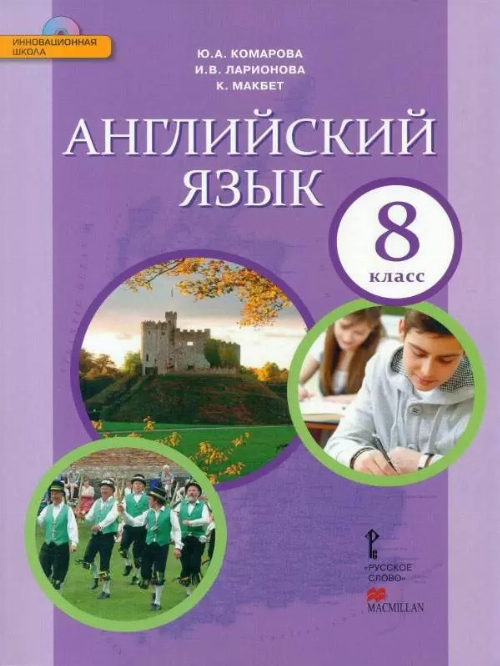
Стр.83 Рабочая тетрадь ГДЗ Комарова Ларионова 8 класс
Комарова, Ларионова
8 класс
Класс
8
Предмет
Английский
Автор
Комарова, Ларионова
Стр.83 Рабочая тетрадь ГДЗ Комарова Ларионова 8 класс
Задача
Dialogue builder: Advice and obligation
- Listen and complete the sentences about road safety with useful expressions.
- Pablo is going to hire a car in the UK. His friend Mark is giving him some advice. Write Mark’s sentences in the correct place in the dialogue.
Mark’s advice
- You should listen to the traffic news on the radio. It’s useful.
- And you have to wear a seat belt. It’s the law.
- You must have an international driving licence. Have you got one?
- What else? Oh yes, if I were you, I wouldn’t drive anywhere in the rush hour.
- And of course you have to drive on the left in the UK. You probably know that.
- And you shouldn’t drive faster than the speed limit.
- Listen and check your answers.
- Complete the dialogue giving advice about safety and obligations at the swimming pool. Use the picture prompts and the useful expressions from exercise 1.
Подробный ответ
2.
1) You must have an international driving licence. Have you got one?
2) And of course you have to drive on the left in the UK. You probably know that.
3) You should listen to the traffic news on the radio. It’s useful.
4) What else? Oh yes, if I were you, I wouldn’t drive anywhere in the rush hour.
5) And you shouldn’t drive faster than the speed limit.
6) And you have to wear a seat belt. It’s the law.
4.
1) You should wear a cap.
2) You must have a shower.
3) You mustn’t run.
4) You should bring 1 pound for the locker.
5) If I were you, I wouldn’t eat a big lunch.
Другие учебники
Другие предметы