1-11 класс
  • 1-11 класс
  • 1 класс
  • 2 класс
  • 3 класс
  • 4 класс
  • 5 класс
  • 6 класс
  • 7 класс
  • 8 класс
  • 9 класс
  • 10 класс
  • 11 класс
Выберите класс
Предметы
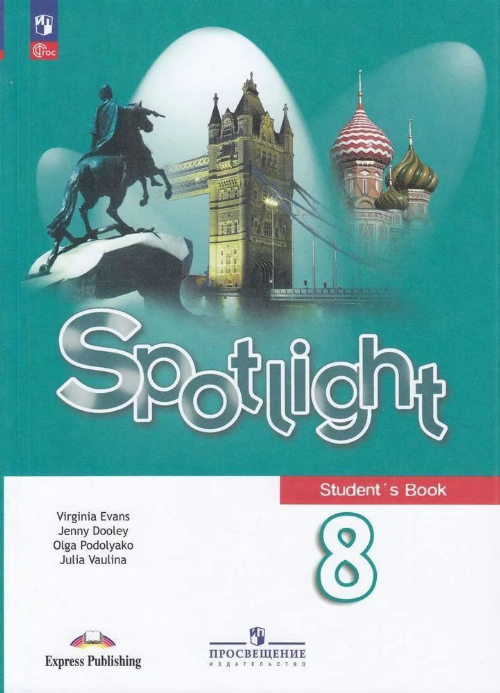
Spotlight
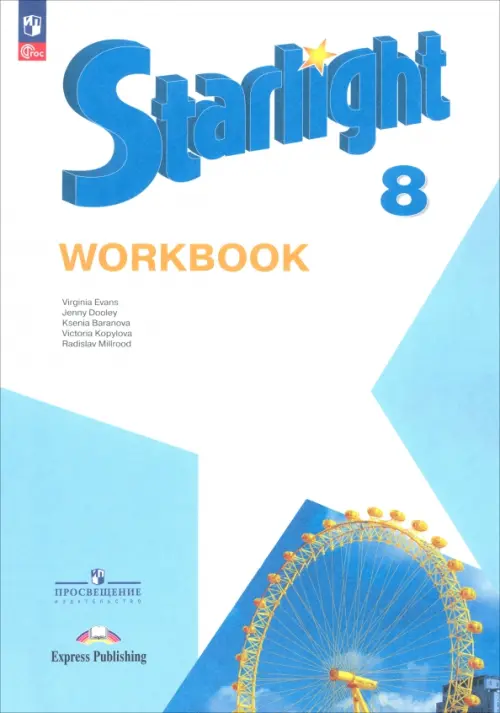
Упр.1 Модуль 2c ГДЗ Spotlight 8 класс
Юлия Ваулина, Джунни Дули
8 класс
Автор
Юлия Ваулина, Джунни Дули

Упр.1 Модуль 2c ГДЗ Spotlight 8 класс

Задача

Приведем выдержку из задания из учебника Юлия Ваулина, Джунни Дули 8 класс, Просвещение: 1 Read the box. Find examples in the text. Are there similar structures in your language?
Present Perfect (have + past participle)
• for an action that started in the past and continues to the present. He has known Alice for years.
• for an action which happened at an unstated time in the past and is connected with the present. has met him before. (When? We don’t know.)
• to give news or talk about sth which happened recently. Ouch! I’ve cut my finger. There are no trains. There’s been an accident.
Present Perfect Continuous (have been + -ing form)
• to put emphasis on the duration of an action which started in the past and continues up to the present. He has been studying English since he was 10.
• for an action that has recently/just stopped and its results are visible in the present. She has been working all day. She’s tired now.
*Цитирирование части задания со ссылкой на учебник производится исключительно в учебных целях для лучшего понимания разбора решения задания.

Подробный ответ

Present Perfect употребляется:

  • для действия, которое началось в прошлом и продолжается до настоящего момента: He has known Alice for years.
  • для действия, которое произошло в неопределённое время в прошлом и связано с настоящим: He has met him before.
  • чтобы сообщить новость или рассказать о том, что произошло недавно: I’ve cut my finger., There’s been an accident.

Present Perfect Continuous употребляется:

  • для действия, которое началось в прошлом и продолжается до настоящего момента, с акцентом на длительность: He has been studying English since he was 10.
  • для действия, которое недавно закончилось, и его результат виден в настоящем: She has been working all day. She’s tired now.

Similar structures in Russian: similar structures do not exist in Russian; the meaning is usually expressed by the present tense, past tense, or by context.


Общая оценка
3.9 / 5
Другие учебники
Другие предметы