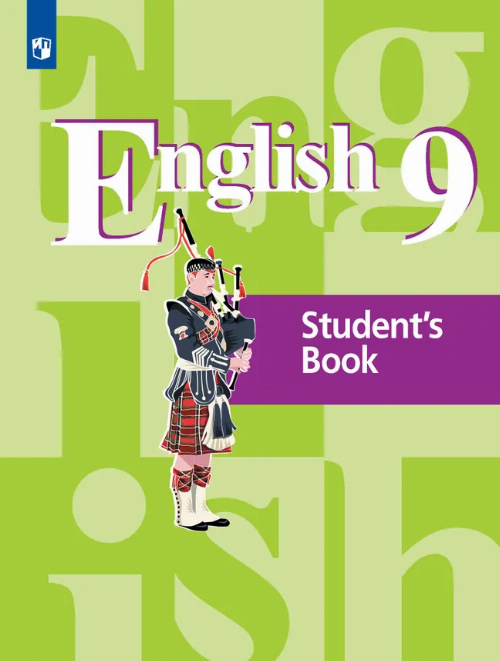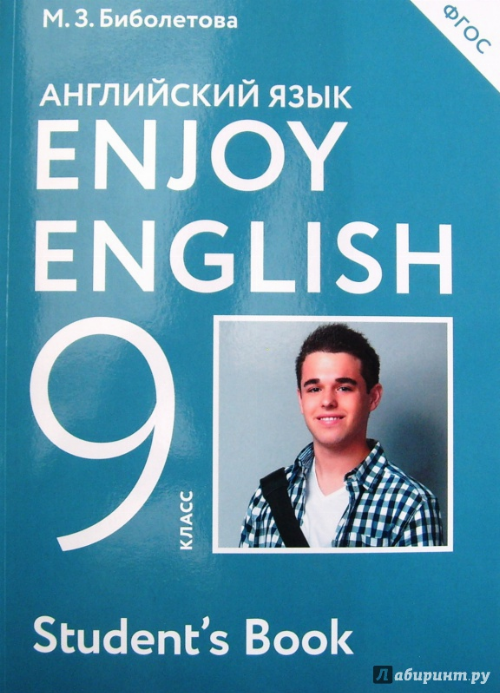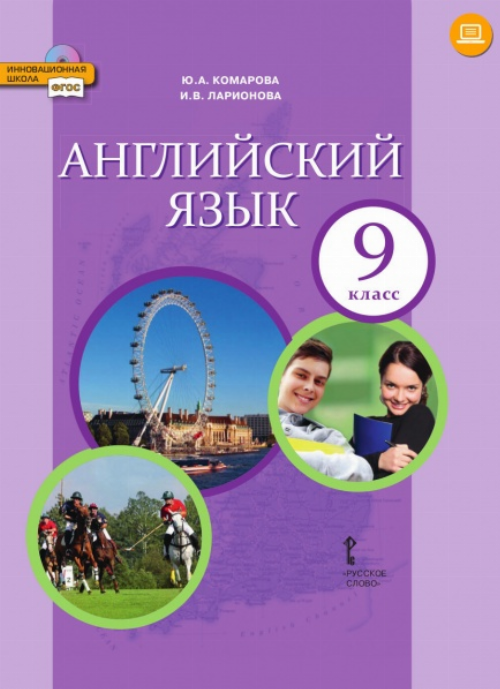
Стр.100 Unit 7 Вопреки трудностям ГДЗ Комарова Ларионова 9 класс
Приведем выдержку из задания из учебника Комарова, Ларионова 9 класс, Русское слово: Progress check Fears and phobias 1 Complete the sentences with these words. strangers foreigners heights germs the dark flying 1 My brother doesn’t like climbing mountains. He’s afraid of heights. 2 People from a different country are foreigners. 3 My little sister always leaves the light on at night. She’s scared of the dark. 4 The poster warns children not to talk to strangers. 5 My uncle always travels by boat or train because he doesn’t like flying. 6 People who are afraid of germs usually wash their hands all the time. The five senses 2 Choose the correct word. 1 I like your dress. It looks great! 2 Can you hear that music? 3 Don’t eat that — it tastes bad. 4 This new perfume smells really nice. 5 What’s that? It sounds like thunder. Modals of obligation, prohibition and ability 3 Choose the correct answer. 1 He’s a bit deaf. He can’t hear very well. a) can b) can’t c) mustn’t 2 He’s still very fit. He can walk 20 km. a) has to b) can c) can’t 3 I wear jeans at school every day. We don’t have to wear a school uniform. a) must b) have to c) don’t have to 4 I have to study. I’ve got an exam tomorrow. a) mustn’t b) can’t c) have to 5 Turn off your phone. You mustn’t use it here. a) must b) mustn’t c) don’t have to 4 Write these sentences in the past. Change the words in bold. 1 I can’t find my bag. 2 We can hear loud music. 3 He has to finish his homework. 4 I don’t have to get up early. 5 We have to catch the last bus home. 5 Choose the correct words. In the past, blind people (1) couldn’t read books — other people (2) had to read to them. That changed with the invention of Braille. Now. blind people (3) can read any book they want, so they (4) don’t have to depend on other people. They just (5) have to learn the Braille alphabet. People who (6) can’t see well can also listen to audio books. Modals of deduction and possibility 6 Complete the sentences with must/might or can’t. 1 This ring can’t be gold — it only costs 1.99! 2 It must be my book — it’s got my name in it. 3 David isn’t at school today. He might be ill. but perhaps he’s on holiday. 4 Alison’s got lots of cats. She must like them. 5 They might be from Yakutia, but I’m not sure. 6 He can’t be scared of heights — he went climbing in the Pyrenees last year. Cumulative grammar 7 Choose the correct answers. Strange Phobias Have you ever (1) heard of ‘koumpounophobia’? This phobia — the fear of buttons — (2) affects more people than you imagine. People (3) who are afraid of buttons say that life can be very difficult. 18-year-old Hannah has been a button phobic (4) since she was little. She remembers looking at the buttons on her dentist’s shirt, and after that she (5) couldn’t stand the sight of buttons. Hannah wants (6) to deal with her phobia, and she’s going (7) to try hypnosis. If she succeeds, she (8) ’ll buy a new shirt with lots of buttons! 1 a) hear b) heard c) hearing 2 a) is affecting b) affect c) affects 3 a) who b) which c) where 4 a) for b) since c) yet 5 a) can b) must c) couldn’t 6 a) to deal b) dealing c) deal 7 a) try b) trying c) to try 8 a) buys b) ’ll buy c) is buying *Цитирирование части задания со ссылкой на учебник производится исключительно в учебных целях для лучшего понимания разбора решения задания.
1.
- My brother doesn’t like climbing mountains. He’s afraid of heights.
- People from a different country are foreigners.
- My little sister always leaves the light on at night. She’s scared of the dark.
- The poster warns children not to talk to strangers.
- My uncle always travels by boat or train because he doesn’t like flying.
- People who are afraid of germs usually wash their hands all the time.
2.
- I like your dress. It looks great!
- Can you hear that music?
- Don’t eat that — it tastes bad.
- This new perfume smells really nice.
- What’s that? It sounds like thunder.
3.
- b) can’t — He can’t hear very well.
- b) can — He can walk 20 km.
- c) don’t have to — We don’t have to wear a school uniform.
- c) have to — I’ve got an exam tomorrow.
- b) mustn’t — You mustn’t use it here.
4.
- I couldn’t find my bag.
- We could hear loud music.
- He had to finish his homework.
- I didn’t have to get up early.
- We had to catch the last bus home.
5.
In the past, blind people couldn’t read books — other people had to read to them. That changed with the invention of Braille. Now blind people can read any book they want, so they don’t have to depend on other people. They just have to learn the Braille alphabet. People who can’t see well can also listen to audio books.
6.
- This ring can’t be gold — it only costs 1.99!
- It must be my book — it’s got my name in it.
- David isn’t at school today. He might be ill.
- Alison’s got lots of cats. She must like them.
- They might be from Yakutia, but I’m not sure.
- He can’t be scared of heights — he went climbing in the Pyrenees last year.
7.
- b) heard
- c) affects
- a) who
- b) since
- c) couldn’t
- a) to deal
- c) to try
- b) ’ll buy