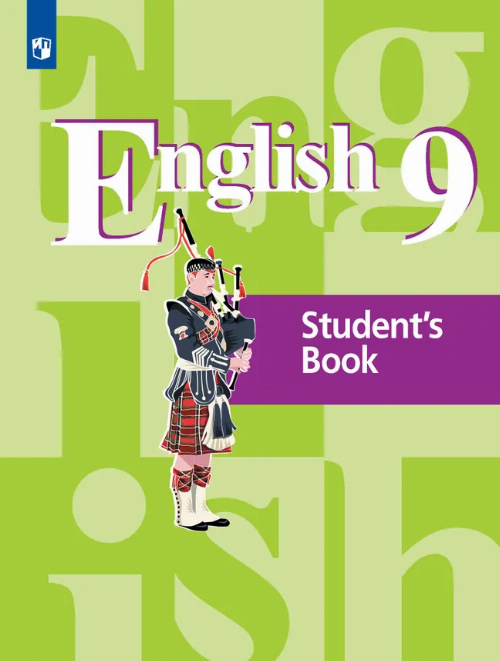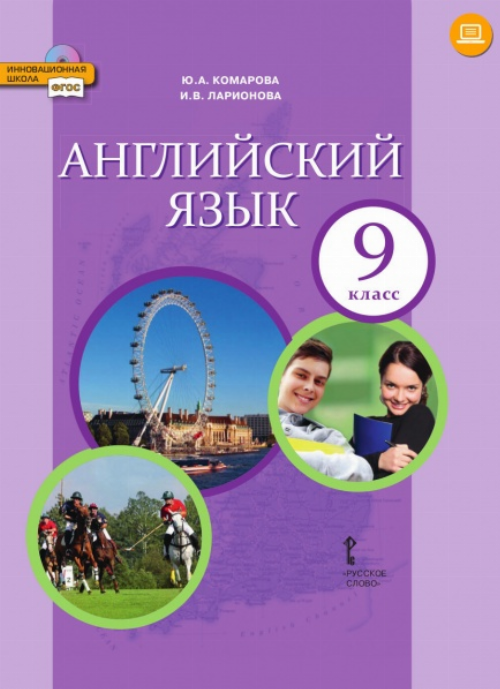
Стр.110-111 Рабочая тетрадь ГДЗ Комарова Ларионова 9 класс
Приведем выдержку из задания из учебника Комарова, Ларионова 9 класс, Русское слово: Grammar bank 7 Modals of obligation, prohibition and ability obligation and prohibition (present) о We use must or have to for obligation. You must/have to spend five days in prison. о We use don’t have to when there is no obligation (something isn’t necessary). Sometimes Alain is invited to do a stunt, so he doesn’t always have to avoid the police. о We use mustn’t when something is prohibited. It doesn’t have the same meaning as don’t have to. You mustn’t use this lift. (It’s prohibited — maybe it doesn’t work and it’s dangerous.) You don’t have to use this lift. (It’s not necessary — there are others, or you can walk up the stairs.) о After must we use the infinitive without to. You must wait here. V You must to wait here. X о We use has to in the third person, and do/ does in questions and the negative. affirmative (obligation) I/You/We/They He/She/It have to/must / has to/must check. negative (no obligation) I/You/We/They He/She/It don’t have to / doesn’t have to pay. negative (prohibition) I/You/He/She/ It/We/They mustn’t climb. ability (present) о We use can for ability. Alain Robert can climb the world’s tallest skyscrapers. He can’t rest until he reaches the top. о After can we use the infinitive without to. He can climb buildings without ropes. V He can to climb buildings without ropes. X о All persons are the same, we don’t use -s in the third person. She can speak several languages. V She cans speak several languages.- X obligation (past) о We use had to in the past. We never use must in the past. We had to tell the security guard. V We musted tell the security guard. X о We use didn’t have to for no obligation in the past. He didn’t have to go to prison — he had to pay a large fine. ability (past) о We use could for ability in the past. He could climb mountains without ropes. She couldn’t swim when she was six. Modals of deduction and possibility o We use must and can’t for deduction. о We use must when we are certain about something because there is a logical explanation for it. Sandra has won the competition. She must be happy. о We use can’t when we are certain that something is impossible. You’re making a lot of mistakes. You can’t be paying attention. о We use may or might if we think something is possible, but we aren’t certain. He finds it difficult to read and write. He might be dyslexic. Grammar exercises 7 1 Match the types of modal verbs (1-4) with their examples (a-d). 1 obligation (d) 2 no obligation 3 prohibition 4 ability a) She can run very fast. b) We don’t have to wear safety hats in here. c) Children mustn’t use this equipment. d) You must be quiet. 2 Complete the sentences with the affirmative or negative form of can, must or have to in the present. 1 Sophia can speak five languages. 2 We don’t have to go to school tomorrow. It’s a holiday. 3 You must be quiet in the library. 4 This box is very heavy. I can’t carry it. 5 You must wear a seat belt in the UK. 6 Your dad doesn’t have to collect you from the party. We’ll take you home. 3 Rewrite the sentences using the correct form of can, must or have to. 1 You aren’t allowed to climb any skyscrapers in this city. You mustn’t climb any skyscrapers in this city. 2 It’s necessary to get a ticket at the ticket machine. You have to get a ticket at the ticket machine. 3 It isn’t necessary for her to wear a helmet. She doesn’t have to wear a helmet. 4 He is very good at football. He can play football very well. 5 He doesn’t know how to swim. He can’t swim. 6 You aren’t allowed to shout in school. You mustn’t shout in school. 4 Circle the correct words. 1 When I was 7,1 could ride a bike. 2 My brother didn’t have to tidy his room when he was a child. 3 When we were children, we had to go to bed early. 4 When Keith was younger, he couldn’t play tennis. He’s really good now. 5 When we lived in France, we had to speak French. 6 I didn’t have to climb the ladder because I’m scared of heights. 5 Complete the sentences with can / can’t, could / couldn’t, had to / didn’t have to and the verbs in the box. Make, move, pay, read, see, run 1 He fell over and hurt his back. He couldn’t move for two hours. 2 You didn’t have to make a cake. We have a lot of food here. 3 I can’t read this label. The print is tiny. 4 We had to pay €30 to see the exhibition. It was really expensive! 5 They couldn’t see the road in front. It was very foggy. 6 Jim could run very fast when he was at school. 6 Correct the errors. 1 She can be at school. I’ve just seen her at the supermarket. X She can’t be at school. I’ve just seen her at the supermarket. V 2 People are taking a lot of photos of that man. He can’t be famous. X 3 I don’t know where I put my mobile phone. It must be in your car. X 4 They haven’t eaten anything all day. They might be hungry. X 5 It must be easy to be dyslexic. X 6 You can’t see me later, but I’m not sure. I have to finish my homework first. X 7 Complete the sentences with must, might or can’t and a suitable verb. 1 She speaks English, but she isn’t from England. She might be Scottish. 2 He fell asleep during dinner. He must be tired. 3 That cake is enormous. He can’t eat it all himself. 4 Our neighbours are always buying new things. They must have a lot of money. 5 Why is she wearing a jumper? She must be cold. *Цитирирование части задания со ссылкой на учебник производится исключительно в учебных целях для лучшего понимания разбора решения задания.
1 – d
2 – b
3 – c
4 – a
1. Sophia can speak five languages.
2. We don’t have to go to school tomorrow. It’s a holiday.
3. You must be quiet in the library.
4. This box is very heavy. I can’t carry it.
5. You must wear a seat belt in the UK.
6. Your dad doesn’t have to collect you from the party. We’ll take you home.
1. You mustn’t climb any skyscrapers in this city.
2. You have to get a ticket at the ticket machine.
3. She doesn’t have to wear a helmet.
4. He can play football very well.
5. He can’t swim.
6. You mustn’t shout in school.
1. could
2. didn’t have to
3. had to
4. couldn’t
5. had to
6. didn’t have to
1. He couldn’t move for two hours.
2. You didn’t have to make a cake.
3. I can’t read this label.
4. We had to pay €30 to see the exhibition.
5. They couldn’t see the road in front.
6. Jim could run very fast when he was at school.
1. She can’t be at school. I’ve just seen her at the supermarket.
2. People are taking a lot of photos of that man. He must be famous.
3. I don’t know where I put my mobile phone. It must be in your car.
4. They haven’t eaten anything all day. They must be hungry.
5. It must be easy to be dyslexic.
6. You can’t see me later, but I’m not sure. I have to finish my homework first.
1. She might be Scottish.
2. He must be tired.
3. He can’t eat it all himself.
4. They must have a lot of money.
5. She must be cold.