1-11 класс
  • 1-11 класс
  • 1 класс
  • 2 класс
  • 3 класс
  • 4 класс
  • 5 класс
  • 6 класс
  • 7 класс
  • 8 класс
  • 9 класс
  • 10 класс
  • 11 класс
Выберите класс
Предметы
Комарова
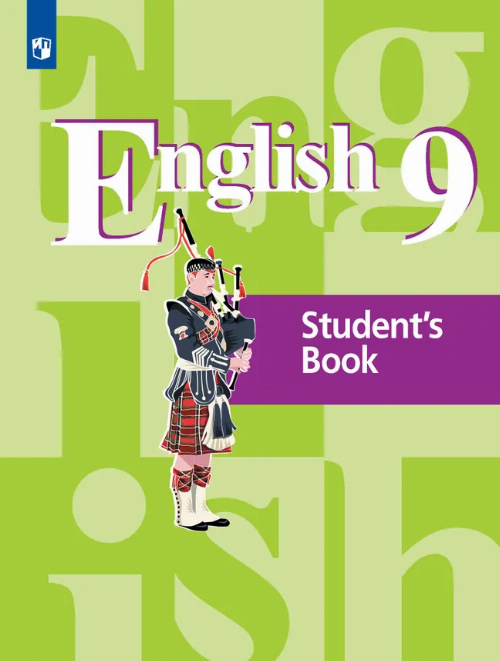
Стр.83 Unit 6 Выражайте себя ГДЗ Комарова Ларионова 9 класс
Комарова, Ларионова
9 класс
Автор
Комарова, Ларионова

Стр.83 Unit 6 Выражайте себя ГДЗ Комарова Ларионова 9 класс

Задача

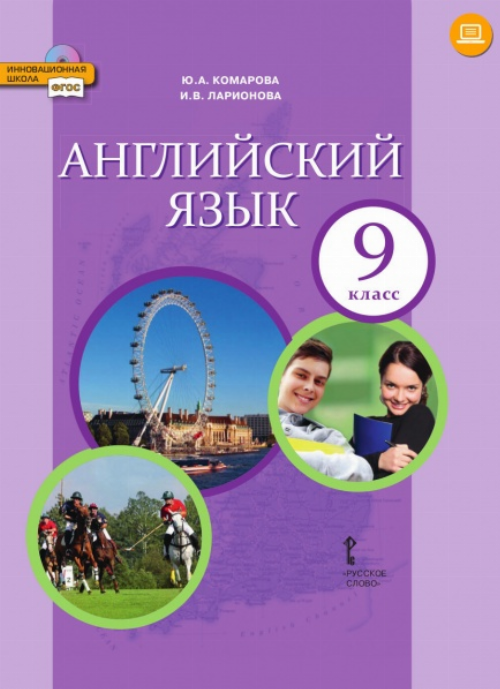
Приведем выдержку из задания из учебника Комарова, Ларионова 9 класс, Русское слово: Grammar
The passive: affirmative and negative
We use the passive when we want to focus on the recipient of an action in a sentence, not the doer.
The castle is owned by Lord Glasgow.
We also use the passive when we don’t know who does the action.
Arrangements were made for the artists to spend a month at Kelburn Caste.
We use the passive more in writing than in speaking.
We often use the passive in writing to describe a process.
After the design was developed, the walls were painted white. The project was finished in about four weeks.
the passive: present, past and future
We use subject + is/are + past participle to make the present simple passive.
The castle is located on Scotland’s west coast.
We use subject + was/were + past participle to make the past simple passive.
The design was developed by the Brazilians
We use subject + will + be + past participle to make the future passive.
The castle will be repaired at some point in the future.
active to passive
Active sentences start with the doer of the action.
Graffiti artists painted the castle.
(The focus of the sentence is on the graffiti artists.)
Passive sentences start with the recipient of the action.
The castle was painted by graffiti artists.
(The focus of the sentence is on the castle.)
by
We use by to introduce the person or thing which does the action in passive sentences.
The artists were invited by Lord Glasgow.
We only use by when it’s important to mention who did the action.
The design was created in the studio (by artists).
The passive: questions
We make questions in the passive in the same way as we do in active sentences, by changing the order of the words.
present
How is the Turner Prize awarded?
How are the installations made?
past
Why was the man arrested?
Why were eggs thrown?
future
Where will the artwork be hung?
Will the winner be awarded?
We use Is/Are + subject + past participle to make questions in the present simple passive.
We use Was/Were + subject + past participle to make questions in the past simple passive.
We use Will + subject + be + past participle to make questions in the future passive.
Participle (-ing and -ed) clauses
We use participle clauses mainly in written English.
We use participle clauses to shorten sentences.
We can form participle clauses with the present participle (-ing) or past participle (-ed).
There’s someone shouting for help. Bradbury’s ‘Fahrenheit 451 published in 1953, became an instant classic
Participle clauses with the past participle (-ed) have a passive meaning.
*Цитирирование части задания со ссылкой на учебник производится исключительно в учебных целях для лучшего понимания разбора решения задания.

Подробный ответ

We use the passive when we want to focus on the recipient of an action, not the doer.

The castle is owned by Lord Glasgow.

We also use the passive when we don’t know who does the action.

Arrangements were made for the artists to spend a month at Kelburn Castle.

We use the passive more in writing than in speaking.

We often use the passive in writing to describe a process.

After the design was developed, the walls were painted white. The project was finished in about four weeks.

We use subject + is/are + past participle to make the present simple passive.

The castle is located on Scotland’s west coast.

We use subject + was/were + past participle to make the past simple passive.

The design was developed by the Brazilians.

We use subject + will + be + past participle to make the future passive.

The castle will be repaired at some point in the future.

Active sentences start with the doer of the action.

Graffiti artists painted the castle.

Passive sentences start with the recipient of the action.

The castle was painted by graffiti artists.

We use by to introduce the person or thing which does the action in passive sentences.

The artists were invited by Lord Glasgow.

We only use by when it’s important to mention who did the action.

The design was created in the studio.

We make questions in the passive by changing the order of the words.

Present: How is the Turner Prize awarded? How are the installations made?

Past: Why was the man arrested? Why were eggs thrown?

Future: Where will the artwork be hung? Will the winner be awarded?

We use Is/Are + subject + past participle to make questions in the present simple passive.

We use Was/Were + subject + past participle to make questions in the past simple passive.

We use Will + subject + be + past participle to make questions in the future passive.

We use participle clauses mainly in written English.

We use participle clauses to shorten sentences.

We can form participle clauses with the present participle (-ing) or past participle (-ed).

There’s someone shouting for help.

Bradbury’s Fahrenheit 451, published in 1953, became an instant classic.

Participle clauses with the past participle (-ed) have a passive meaning.


Общая оценка
4.3 / 5
Другие учебники
Другие предметы