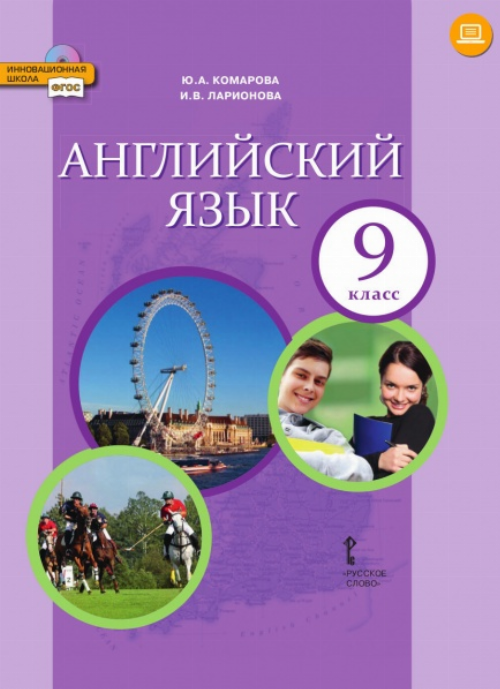
Стр.99 Unit 7 Вопреки трудностям ГДЗ Комарова Ларионова 9 класс
Приведем выдержку из задания из учебника Комарова, Ларионова 9 класс, Русское слово: Grammar Modals of obligation, prohibition and ability obligation and prohibition (present) There is usually no difference in meaning between must and have to. However, we tend to use must when we give our personal feelings and have to for facts. We use don’t have to when there is no obligation (something isn’t necessary). Sometimes Alain is invited to do a stunt, so he doesn’t always have to avoid the police. We use mustn’t when something is prohibited. It doesn’t have the same meaning as don’t have to. You mustn’t use this lift. (It’s prohibited — maybe it doesn’t work and it’s dangerous.) You don’t have to use this lift. (It’s not necessary — there are other lifts, or you can walk up the stairs.) After must we use the infinitive without to. You must wait here. You must to wait here. We use has to in the third person and do/does in questions and the negative. affirmative (obligation) I / You / We / They He / She / It have to / must has to / must check. negative (no obligation) I / You / We / They’ don’t have to He / She / It doesn’t have to pay. negative (prohibition) I / You / We / They He / She / It mustn’t climb ability (present) We use can for ability. Alain Robert can climb the world’s tallest skyscrapers. He can’t rest until he reaches the top. After can we use the infinitive without to. He can climb buildings without ropes. He can to climb buildings without ropes. obligation (past) We use had to in the past. We never use must in the past. We had to tell the security guard. We musted tell the security guard. We use didn’t have to for no obligation in the past. He didn’t have to go to prison — he had to pay a large fine. ability (past) We use could for ability in the past. He could climb mountains without ropes. She couldn’t swim when she was six. Modals of deduction and possibility We use must and can’t for deduction. We use must when we are certain about something because there is a logical explanation for it. Sandra has won the competition. She must be happy. We use can’t when we are certain that something is impossible. You’re making a lot of mistakes. You can’t be paying attention. We use may or might if we think something is possible, but we aren’t certain. He finds it difficult to read and write. He might be dyslexic. *Цитирирование части задания со ссылкой на учебник производится исключительно в учебных целях для лучшего понимания разбора решения задания.
Приведённый текст содержит только теоретический материал по теме Modals of obligation, prohibition and ability, но не содержит самого упражнения, пропусков, вопросов или вариантов ответов. Поэтому оформить готовое решение невозможно.
Ответ
Недостаточно данных.